Overview
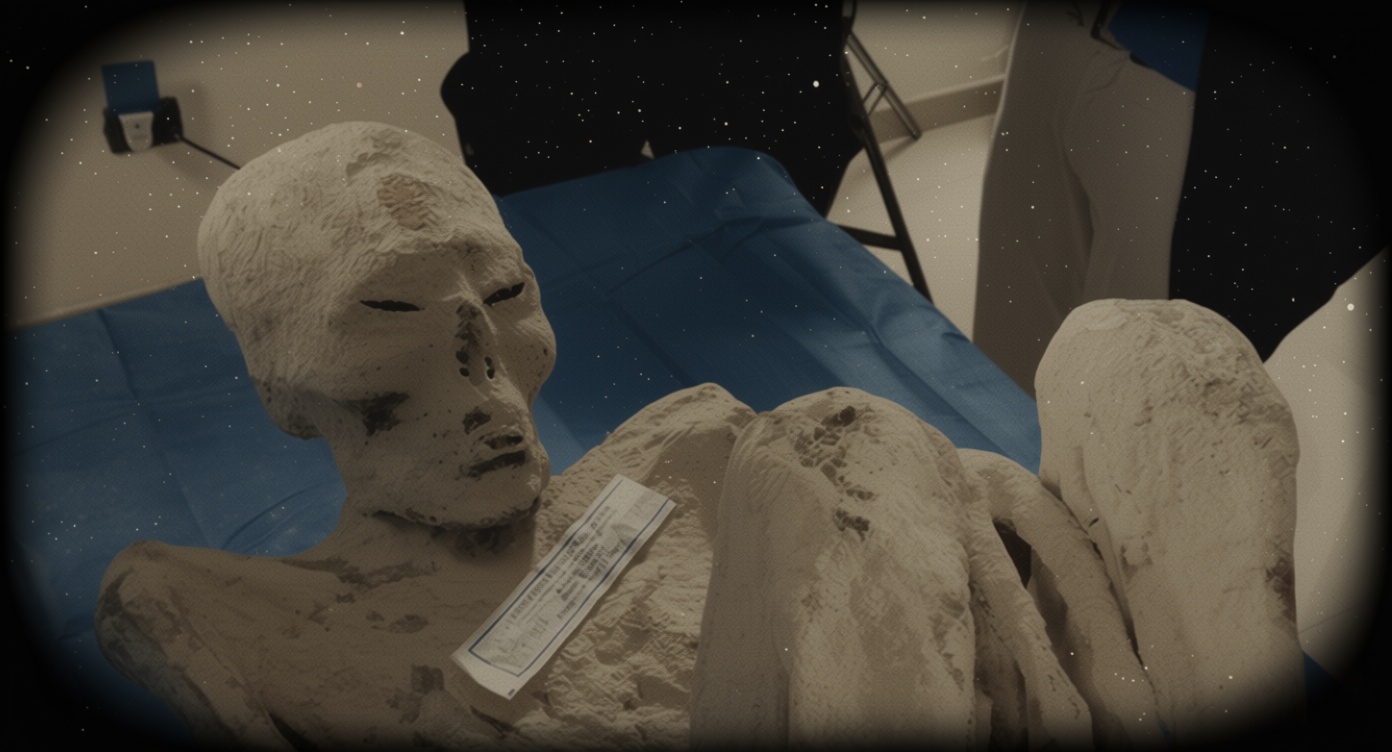
The University of Ica, known as UNICA, has reportedly submitted official documentation to Peru’s Ministry of Culture seeking the recognition of six tridactyl specimens as Cultural Heritage assets. The specimens are described in the submission as “nonhuman corpses” and “biohumanoids,” terminology that reflects the claims made by the parties presenting the materials rather than an established scientific classification.
The development is outlined on the website Tridactyls.org, which has published what it identifies as a 61-page Spanish-language file, accompanied by English translations, photographs, signatures and annexes. The material is presented as a document archive relating to a submission by the University of Ica. However, the available information does not independently establish whether the documents were formally accepted by Peru’s authorities, nor does it confirm the origin, age or authenticity of the specimens.
What the Submission Contains
According to the online archive, the documentation concerns six tridactyl bodies—specimens characterized by three-fingered hands and three-toed feet. The site labels its material “Cultural Heritage Registration in Progress” and identifies the Ministry of Culture as the recipient of the university’s submission.
The archive reportedly reproduces source pages individually and includes the Spanish originals alongside English translations. It also refers to photographs, signatures, annexes and conservation notes. Beginning with later pages in the file, the presentation reportedly includes Ministry of Culture documents in English followed by the corresponding Spanish pages. These features are intended to provide a record of the administrative process, although publication by an advocacy or research website is not itself equivalent to official verification by the Peruvian government.
Scientific and Administrative Context
A Cultural Heritage designation generally concerns the historical, archaeological, artistic or cultural significance of an object; it does not, by itself, determine whether a specimen is biologically nonhuman or extraterrestrial. In this case, the request appears to seek official protection or recognition for the materials while questions about their identity and provenance remain unresolved.
The terms “nonhuman corpses” and “biohumanoids” are particularly significant because they imply conclusions that have not been independently demonstrated in the information made available. No verified chain of custody, peer-reviewed examination, or independently replicated DNA, radiocarbon or anatomical analysis is provided in the supplied source material. As a result, the submission should be understood as an administrative request involving disputed specimens, not as confirmation of extraordinary biological claims.
What Happens Next
The Ministry of Culture’s response will be central to determining whether the request advances, is rejected or is referred for further review. Authorities could potentially examine the documentation, assess the specimens’ provenance and conservation status, and determine whether they meet Peru’s legal and cultural-heritage criteria. The available source does not state that a final designation has been granted.
Independent scrutiny will also be important. Any evaluation would need to distinguish between the authenticity of the documents, the physical condition and history of the specimens, and the broader claims about their alleged biological nature. Until those issues are addressed through transparent testing and official findings, the University of Ica’s reported submission remains evidence of a request—not proof that the specimens are nonhuman or culturally authentic artifacts.