Source Access and Scope
The supplied material presents a broad review of “the world’s greatest unsolved mysteries,” with an intended focus on the evidence, theories and investigations surrounding major unexplained cases. However, the source itself is not available for review. The only accessible content is an Apache web-server message stating: “Forbidden — You don't have permission to access this resource,” followed by an identification of an Apache/2.4.58 Ubuntu server operating on kossuthmuseum.com over Port 443.
Because the underlying page cannot be accessed, its claims, examples and supporting documentation cannot be independently assessed. No specific UFO, UAP, paranormal, historical or scientific mystery is identified in the supplied text. As a result, it would be misleading to attribute particular cases, quotations or conclusions to the unavailable article.
What Can Be Established
The summary indicates that the planned article was intended to distinguish between available evidence, proposed explanations and continuing investigations. That framework is central to responsible reporting on unresolved phenomena. A mystery may remain open because evidence is incomplete, conflicting or inaccessible—not necessarily because a paranormal or extraordinary explanation has been demonstrated.
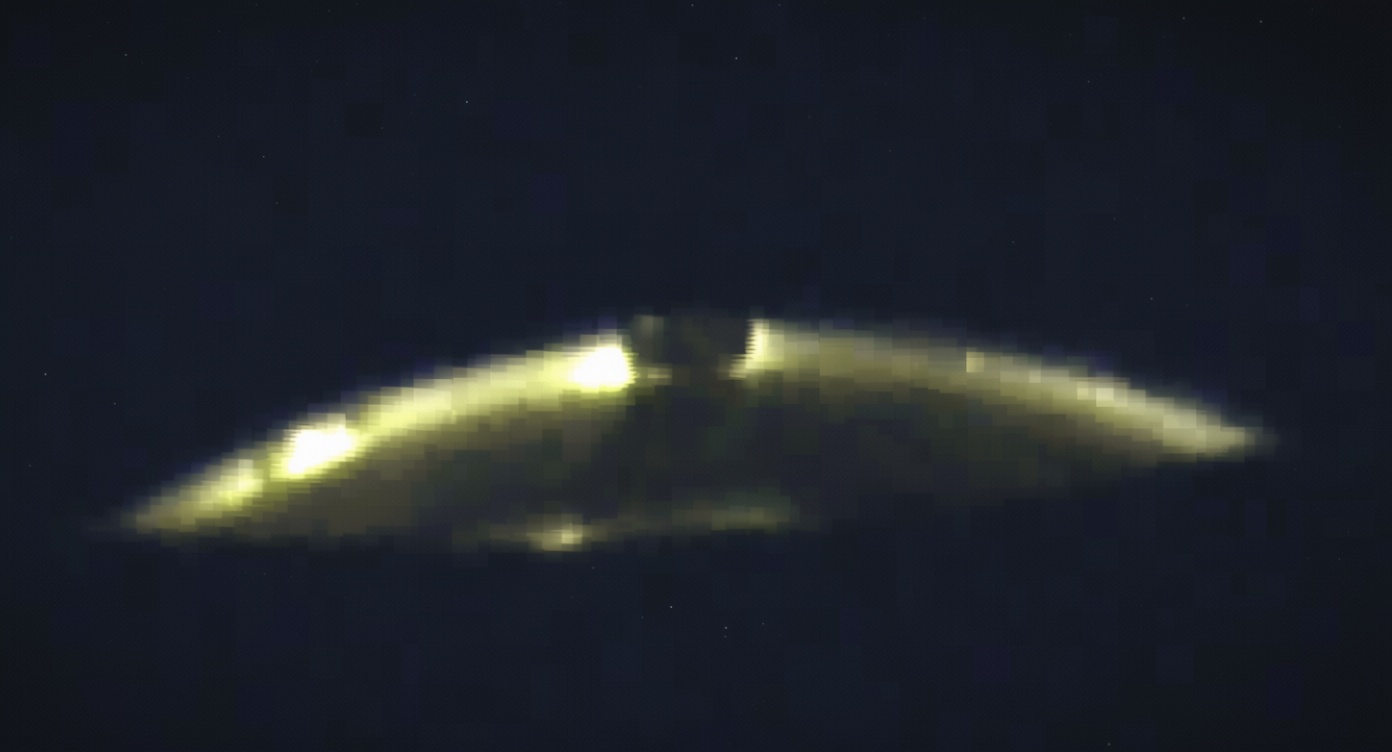
In coverage of UFO and UAP reports, for example, journalists typically examine witness testimony, photographs, video metadata, radar records, flight data, weather conditions and the possibility of conventional explanations. Similar standards apply to historical disappearances, archaeological puzzles and alleged paranormal events. The status of a case should be described carefully: “unexplained” means that available information has not produced a conclusive answer, rather than proving an unusual cause.
Evidence and Verification
The access restriction also highlights a basic challenge in evaluating online claims: the existence of a web page does not establish the reliability of its contents. A credible review should identify primary records where possible, explain how evidence was collected and distinguish documented facts from speculation. It should also acknowledge gaps, disputed interpretations and any changes in the evidence over time.
Without access to the original page, it is impossible to determine whether the proposed theories were presented as competing possibilities or as established conclusions. It is likewise unclear whether the article cited researchers, official investigations, archival documents or firsthand witnesses. Those distinctions matter, particularly in subjects where compelling narratives can outpace verifiable evidence.
Ongoing Investigation
The absence of accessible source material does not resolve any of the mysteries the article may have intended to discuss. It only means that the supplied page cannot presently be used as a verifiable basis for reporting. Further research would require a functioning copy of the article, an archived version, or independent sources documenting the cases and investigations referenced.
Until that material is available, the most supportable conclusion is limited but important: the review’s subject and general purpose are known, while its factual details remain unverified. Any comprehensive account of the world’s major unsolved mysteries should therefore be rebuilt from accessible, attributable records rather than inferred from a blocked webpage.