Overview
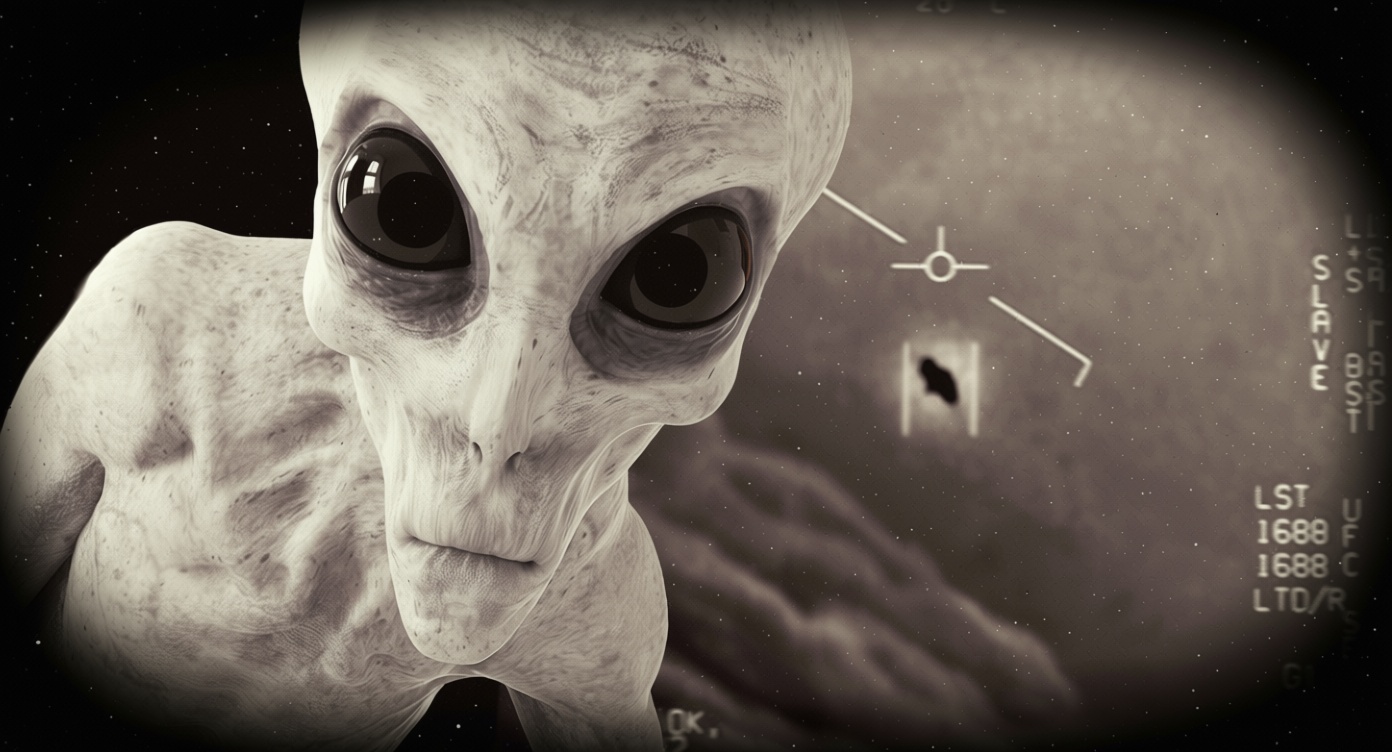
A recent Boing Boing post is drawing attention to an unusual but longstanding idea in UFO research: that unidentified flying objects may not come from outer space at all. Instead, the article highlights the cryptoterrestrial hypothesis, which suggests that some UFO or UAP sightings could be linked to a hidden advanced civilization on Earth — one that may be operating beneath the oceans, inside mountain ranges, or somewhere deep underground. Rather than invoking extraterrestrial visitors, the theory shifts the focus to the possibility of undisclosed terrestrial technology or phenomena that remain outside public understanding.
The concept is not presented as established fact, but as one of several explanations that attempt to account for reported sightings of craft that appear to move in ways conventional aircraft cannot. In that sense, the cryptoterrestrial hypothesis sits at the intersection of folklore, speculation, and modern UAP debate. It offers a very different framework from the familiar alien-from-space model that has dominated UFO culture for decades. For supporters of the idea, the appeal lies in its attempt to explain the mystery without requiring interstellar travel, which many researchers view as a significant leap given the distances involved.
What the Theory Proposes
At its core, the theory argues that some anomalous aerial or maritime objects may be evidence of a civilization that coexists with humanity but has avoided detection. Proponents envision a technologically advanced population concealed in inaccessible environments such as the deep ocean, subterranean systems, or isolated geological formations. That premise has obvious limitations, but it also reflects a broader pattern in UAP discussion: many explanations are being revisited as governments, scientists, and media outlets treat the issue with greater seriousness than in past decades.
The theory’s appeal also comes from its flexibility. If a sighting does not fit conventional aviation, weather, or sensor-error explanations, some observers see value in exploring possibilities closer to home before jumping to extraterrestrial conclusions. The Boing Boing piece frames the idea as a “downward” alternative to the usual outer-space narrative, emphasizing that the unknown may be rooted in Earth-based secrecy, advanced engineering, or overlooked natural phenomena. That does not make the hypothesis more likely, but it does place it within the wider conversation about what remains unidentified.
Why It Matters in the UAP Debate
The renewed attention to theories like cryptoterrestrials comes at a time when public interest in UFOs — now more commonly referred to as UAPs, or unidentified anomalous phenomena — remains high. Government disclosures, congressional hearings, and military footage have all helped push the subject from the fringe toward the mainstream. Even so, most reported events remain unresolved, and definitive evidence for any explanation, terrestrial or extraterrestrial, is still lacking.
That uncertainty is precisely what keeps alternative theories alive. By suggesting that UFOs may originate from within Earth rather than beyond it, the cryptoterrestrial hypothesis challenges assumptions that have guided UFO speculation for generations. While the idea remains highly speculative, its popularity underscores a central fact of the UAP discussion: the mystery is not simply about where objects come from, but about how much of the world’s aerospace capabilities, natural anomalies, and classified activity are still hidden from public view.