Overview
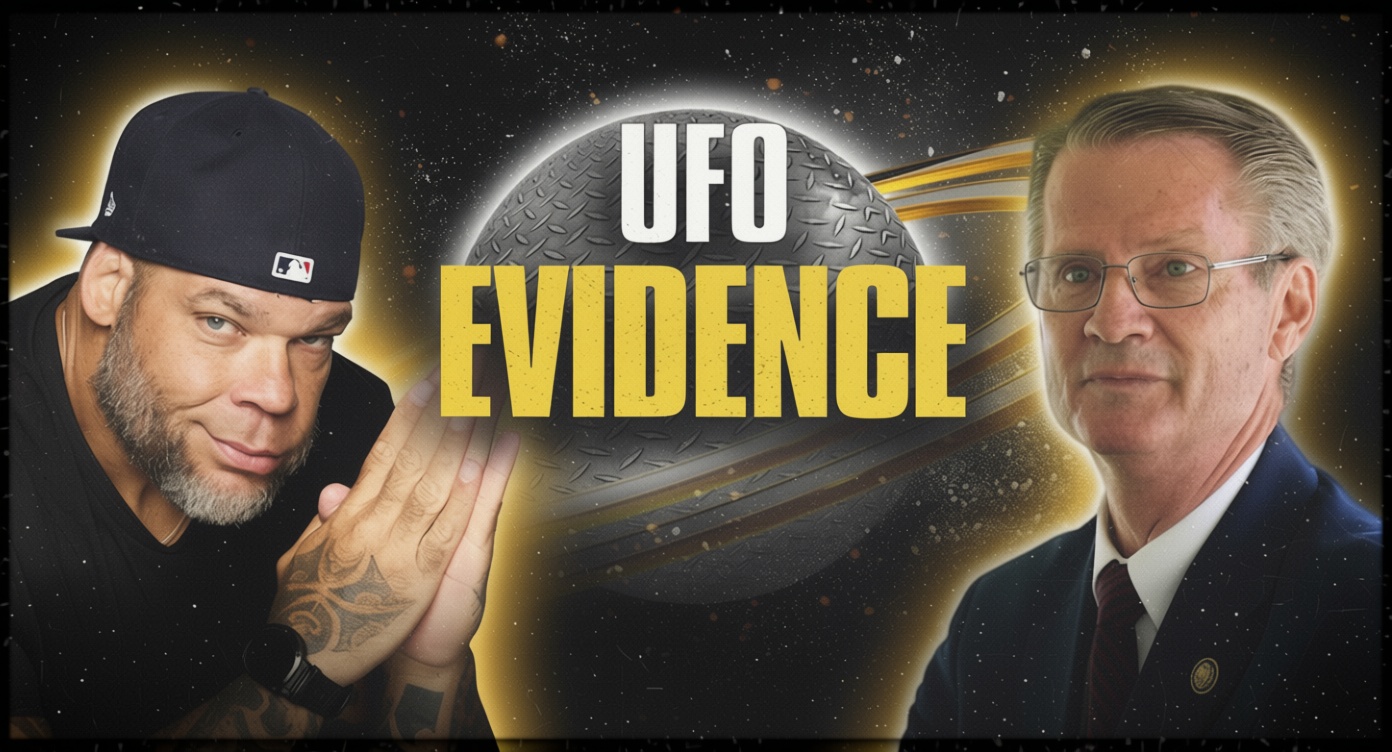
Rep. Tim Burchett, the Tennessee Republican who has become one of the loudest advocates in Congress for UFO/UAP transparency, said in a recent interview that he believes a “deep state” is helping block fuller public disclosure about unidentified aerial phenomena. The comments, highlighted in a Fox News Videos segment carried by Yahoo, add to Burchett’s long-running campaign to press the Pentagon and other agencies for more open answers on the subject.
In the interview on “Planet Tyrus,” Burchett framed the issue as one of government secrecy and institutional resistance, arguing that the American public is not being given the full picture about what military pilots, whistleblowers, and officials have reported behind closed doors. While the congressman did not present new documentary evidence in the segment, he reiterated the view that disclosure efforts are being slowed by hidden interests inside the federal government.
Burchett’s Claims on Secrecy and Resistance
Burchett has for years positioned himself as a skeptical but persistent critic of classified UFO handling. In the segment, he said he has encountered pushback for simply asking questions and suggesting that the issue is larger than what has been publicly acknowledged. His remarks reflect a familiar pattern in the UAP debate: lawmakers and advocates pushing for transparency, while defense and intelligence officials remain constrained by national security concerns and classification rules.
The congressman’s use of the term “deep state” is politically charged and not something that can be independently verified from the video itself. Still, it signals the degree to which UFO disclosure has become entangled with broader distrust in government institutions. Burchett’s argument is not just that information exists, but that some people within the system are actively preventing it from reaching the public.
Broader UAP Disclosure Context
The interview arrives amid continued public and congressional scrutiny of UAP reports, particularly those involving military encounters and whistleblower testimony. Over the past several years, U.S. lawmakers have pressed the Pentagon for more transparency about what is known, what has been collected, and what remains classified. Burchett has been a consistent presence in that effort, aligning himself with calls for more open hearings, more accessible records, and stronger oversight of defense agencies.
According to the Yahoo summary of the segment, Burchett also discussed alleged UFO technology and zero-point energy, along with references to Skinwalker Ranch, a site often associated with paranormal claims and UFO lore. The source did not provide detailed substantiation for those topics, and they remain highly contested. As with much of the disclosure debate, the challenge lies in separating reported experiences and speculation from evidence that can be independently reviewed.
What the Remarks Mean Going Forward
Burchett’s comments are likely to resonate with audiences already skeptical of official explanations, while drawing criticism from observers who view “deep state” rhetoric as an unhelpful oversimplification of a complex national security issue. Even so, his continued focus keeps UFO disclosure in the political conversation and underscores how the topic has evolved from fringe curiosity to a recurring matter of congressional interest.
For now, the central question remains unchanged: what does the government know about UAPs, and how much of that information can be released without compromising legitimate security concerns? Burchett’s latest remarks suggest he believes the barrier is not just classification, but an entrenched culture of withholding information from the public.