Overview
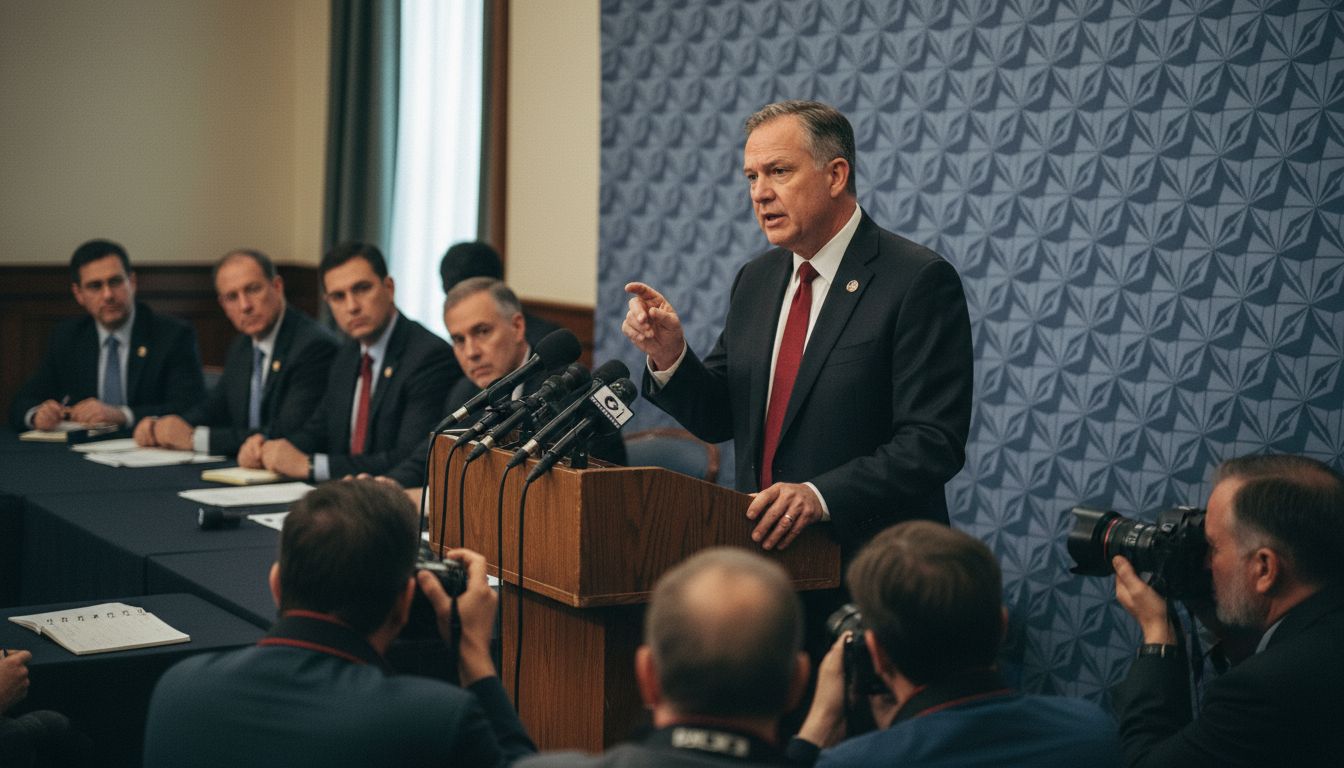
Rep. Tim Burchett has once again pushed the UFO and UAP disclosure debate into the spotlight, saying the effort to uncover government information about unexplained aerial phenomena is being blocked by a “deep state” resistant to transparency. In comments relayed by Cybernews journalist Matt Laslo, the Tennessee Republican described the long-running fight over secret UAP files as “a fistfight” and suggested that even the White House may not have full access to what some lawmakers believe exists in classified government archives.
Burchett’s remarks are the latest in a series of public statements from one of Congress’s most visible advocates for UAP transparency. As co-chair of the Congressional UAP Caucus, he has repeatedly argued that the public deserves a fuller accounting of what the government knows about unexplained aerial encounters. His new comments reinforce a familiar claim among disclosure supporters: that unelected officials or entrenched bureaucracies, rather than elected leaders, are controlling the flow of information.
Burchett’s claims and the 1947 reference
In the exchange cited by Cybernews, Burchett said the alleged dispute over disclosure has been going on “since 1947,” a year closely tied to the modern UFO narrative because of the Roswell incident. The New Mexico episode remains one of the most debated events in UFO history after the U.S. Army initially said it had recovered a “flying disc,” then revised the explanation to a weather balloon. For disclosure advocates, that moment marks the beginning of a decades-long pattern of secrecy; for skeptics, it remains a case study in how speculation can outpace evidence.
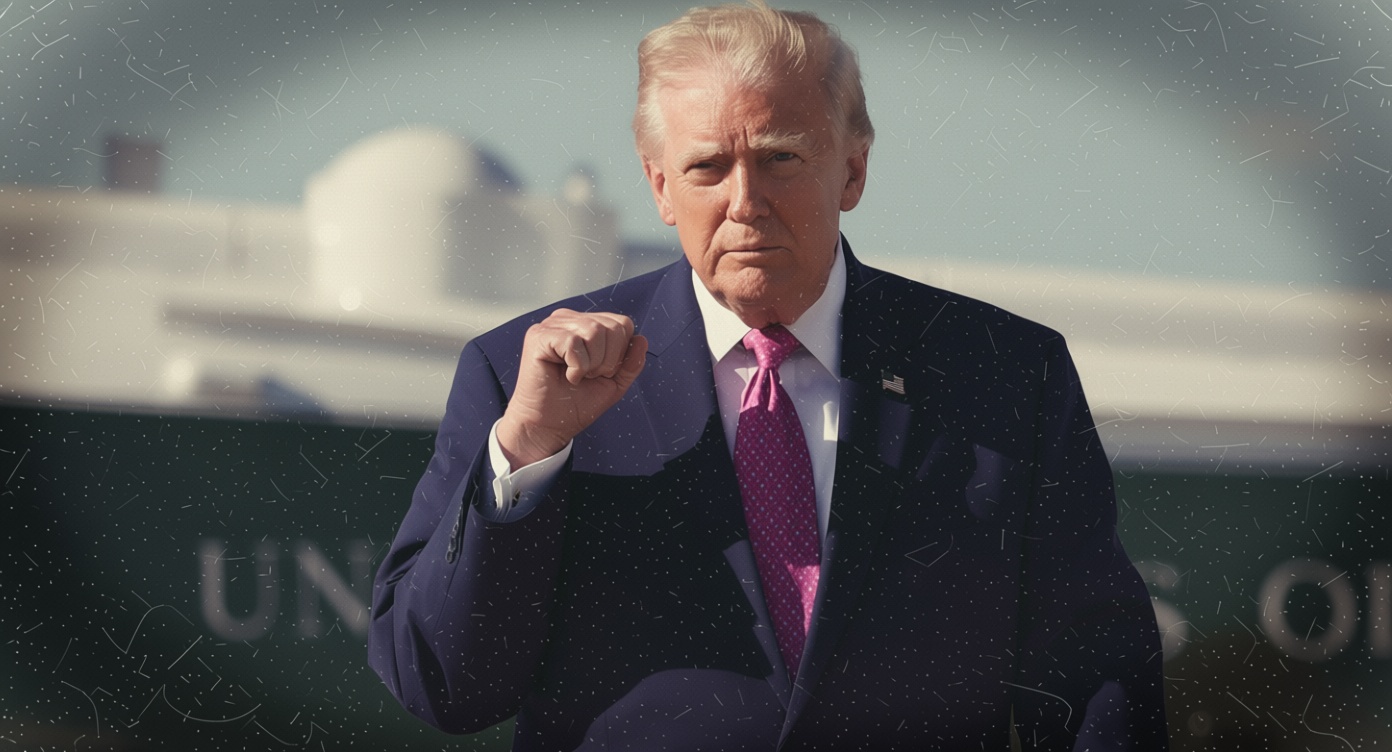
Burchett also implied that President Donald Trump may support disclosure but still be unable to access the files he wants. “He’s in it, but he’s the one that’s being denied,” Burchett said, according to the Cybernews report. The lawmaker framed the situation as more than partisan theater, describing the system as “crooked as a dog’s leg” and arguing that the resistance spans administrations and political parties.
A familiar fight over secrecy and transparency
The controversy fits into a broader political struggle over how much the public should learn about alleged government knowledge of UAPs. In recent years, lawmakers, intelligence whistleblowers, and former defense officials have pressed for greater openness, while federal agencies have maintained that many sightings have prosaic explanations or remain unverified due to incomplete data. NASA experts have also weighed in at times, urging a measured, evidence-based approach rather than speculation.
That tension has fueled competing theories about disclosure. Some advocates argue the government should release information piecemeal, gradually assembling what Steven Greer has described as a kind of puzzle. Others contend that the issue is being buried by gatekeepers with institutional power. Burchett’s comments align strongly with the latter view, presenting the disclosure debate not as a matter of curiosity, but as a struggle over who ultimately controls access to classified knowledge.
Public reaction and political stakes
Cybernews noted that reactions online were divided, with some users demanding hard evidence before accepting claims of a hidden program, while others agreed the issue should be examined beyond partisan lines. That split reflects the broader public mood around UAPs: interest remains high, but confidence in extraordinary claims still depends on documentation, corroboration, and official records.
For now, Burchett’s comments are likely to keep pressure on Congress and the White House to demonstrate what, if anything, they can actually declassify. Whether the disclosure fight is driven by withheld archives, missing evidence, or institutional caution, the political stakes are clear: UAP transparency has become a test of government credibility as much as a search for answers.