Overview
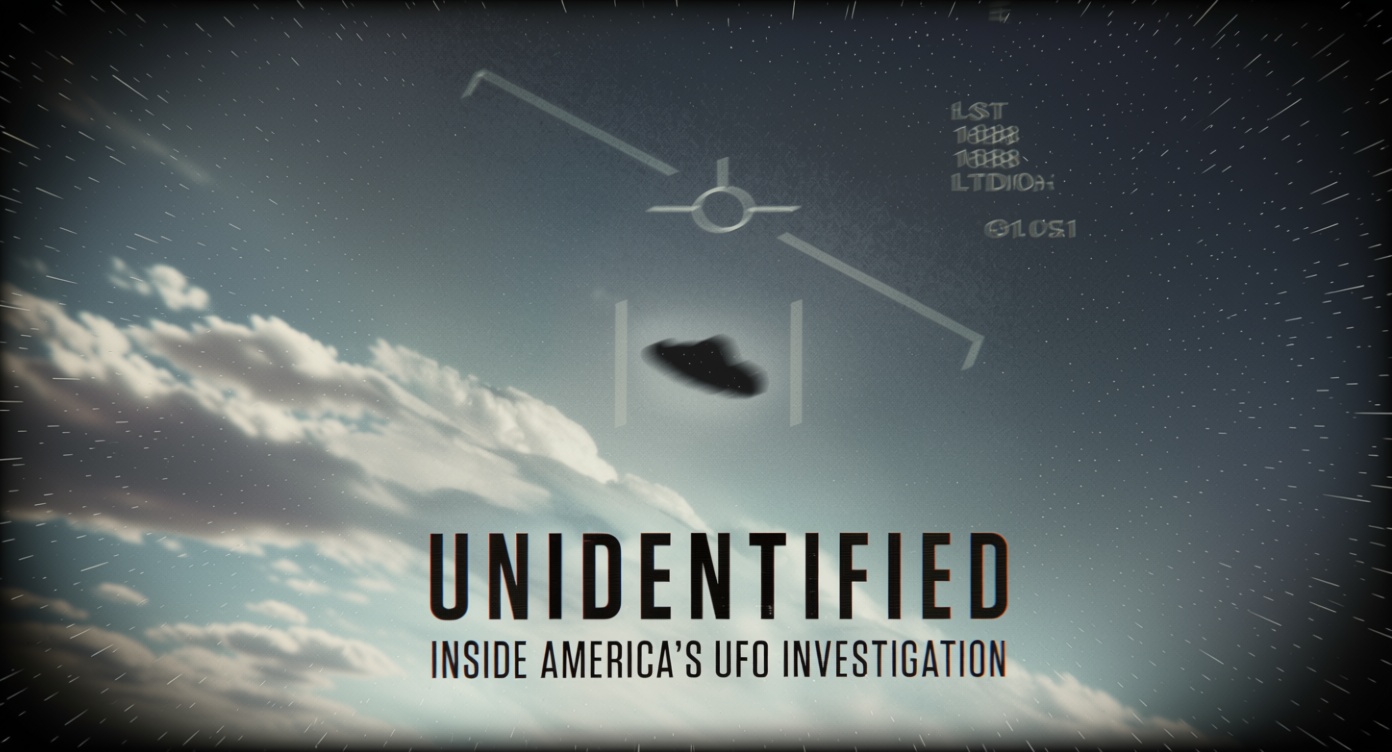
Time Magazine is arguing that the United States is moving away from treating extraterrestrial life and UFO/UAP reports as fringe speculation and toward treating them as a serious public issue. In a recent essay, the magazine points to a broader shift driven by government transparency, scientific curiosity, and a public that is increasingly willing to consider unanswered questions about what has been seen in the skies. The piece frames the moment as a cultural turning point: after decades of ridicule, secrecy, and tabloid-style theories, the subject is now being folded into mainstream conversation.
From a Minnesota yard to the federal record
To illustrate how long these reports have circulated, Time revisits a 1948 incident in Hamel, Minn., when brothers Jerome and Benno Leuer said they saw a dull gray, circular object descend into their yard. According to their account, the object touched down, made a metallic clatter, emitted a high-pitched whistle, and then lifted away, maneuvering around trees and telephone wires before disappearing. The boys’ father reported the sighting to the local postmaster, who contacted the FBI. An agent was sent to investigate, and the bureau’s official report noted that the “spot where the alleged ‘flying saucer’ had landed was approximately 2 ft. in diameter” and appeared as though a heavy object had touched down.
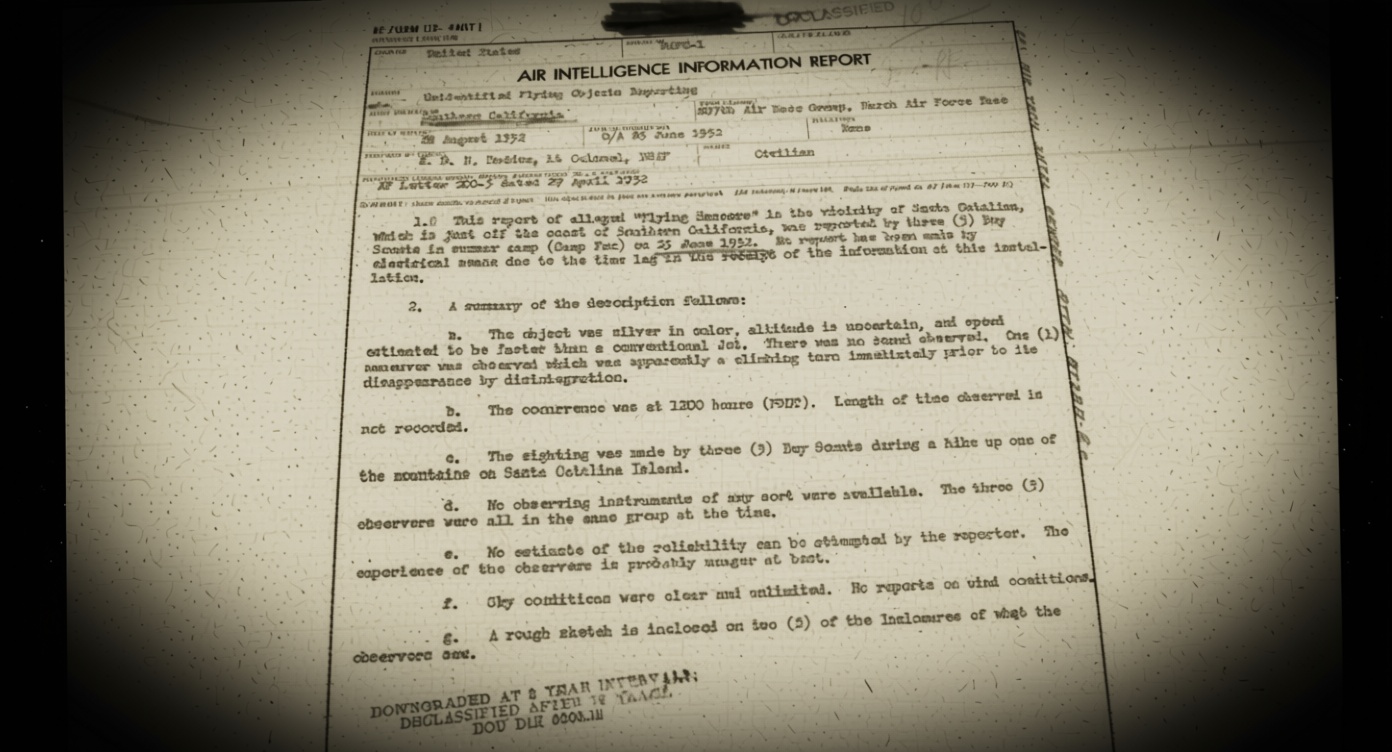
The episode did not produce any definitive explanation, but it did become part of a much larger archive of civilian and military sightings preserved by the government. That context matters to Time’s argument: these were not isolated campfire stories, but records that were systematically collected and stored, even if they remained largely hidden from public view for decades.
A long-delayed public release
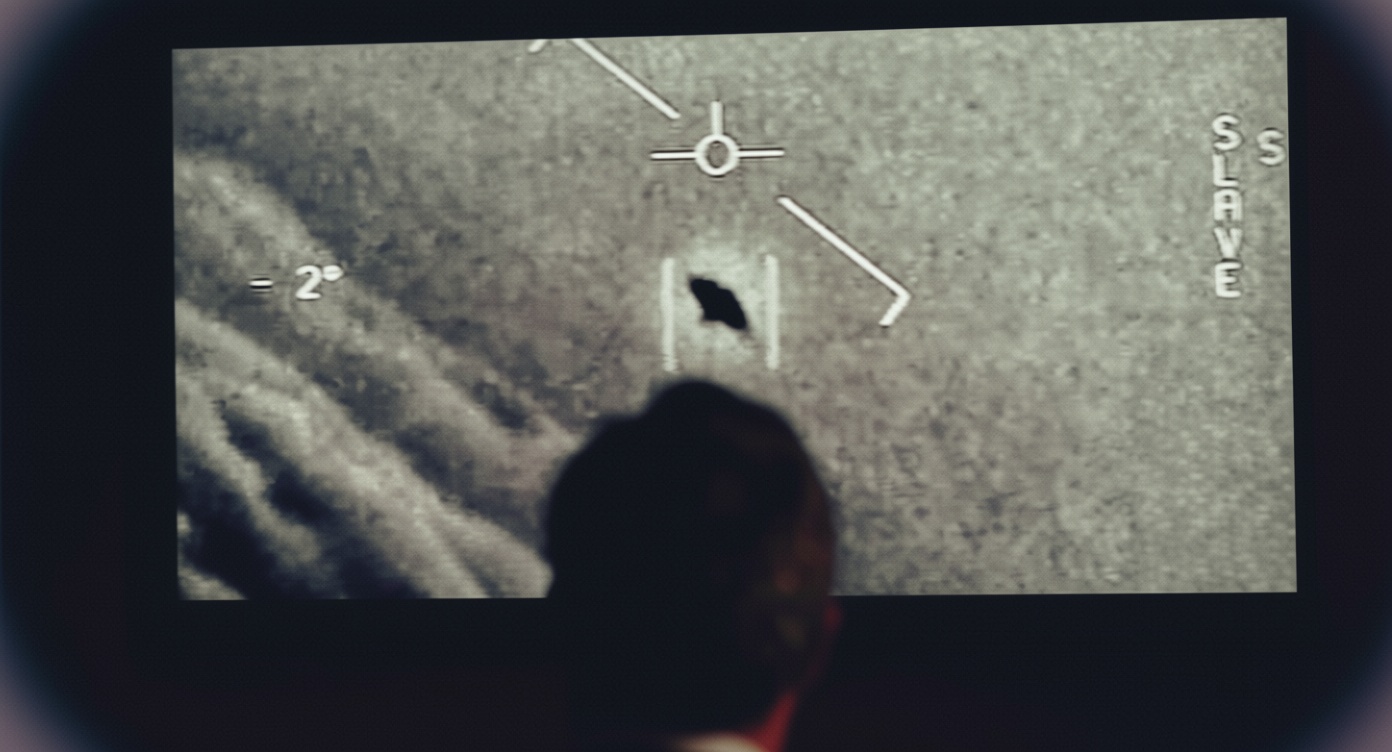
The article highlights a major change in 2026, when President Donald Trump began a serial release of more than 450 official UFO-related reports, published in four tranches dating back to the middle of the last century. The documents were posted on a Department of Defense website and made available for public review. For Time, that release signals something deeper than a transparency exercise. It reflects a widening recognition inside government that sightings categorized today as UAPs—unidentified anomalous phenomena—deserve documentation, analysis, and, at minimum, a more disciplined response than the dismissive culture that once surrounded them.
Why the issue is entering the mainstream
Time also situates the shift within a broader surge of interest outside government. The magazine notes that the issue is being discussed more openly in scientific circles and in public forums, including a Washington screening of filmmaker Dan Farah’s “The Age of Disclosure,” attended by five members of Congress. That kind of setting would have been difficult to imagine a generation ago, when UAP discussions were often confined to enthusiasts, skeptics, and conspiracy theorists. Now, the subject is increasingly being approached as a matter of national security, scientific inquiry, and public accountability.
A new tone, not a final answer
The magazine’s central point is not that extraterrestrial life has been proven, but that the United States is finally treating the question with more seriousness than mockery. After years of stigma and sensationalism, the conversation is becoming more institutional and less conspiratorial. For Time, that evolution is the story: whether the reports ultimately point to advanced technology, misidentification, or something else entirely, the country is no longer content to leave the subject at the margins.