Overview
Toronto’s long history of hauntings, folklore and unexplained phenomena is getting a public spotlight this fall as the Toronto Public Library launches a new lecture series on local ghost stories. The program, Ghost Stories of Toronto, will be led by historian and author Adam Bunch, whose work often explores the city’s lesser-known and more mysterious past. Running from September 18 through December, the series will be delivered entirely on Zoom, making the talks accessible to audiences across the city and beyond.
Bunch, author of The Toronto Book of the Dead, said the library has become a regular venue for his themed lectures, which have previously ranged from Toronto scandals to baseball. This time, the subject is one he knows well. “I’m always looking for stories that are going to grab people’s attention and lure them in to learn more about the history,” he said. For Bunch, ghost stories are not just entertainment; they are a way to connect audiences with the city’s development, its anxieties, and the people who shaped it.
From Haunted Sites to City History
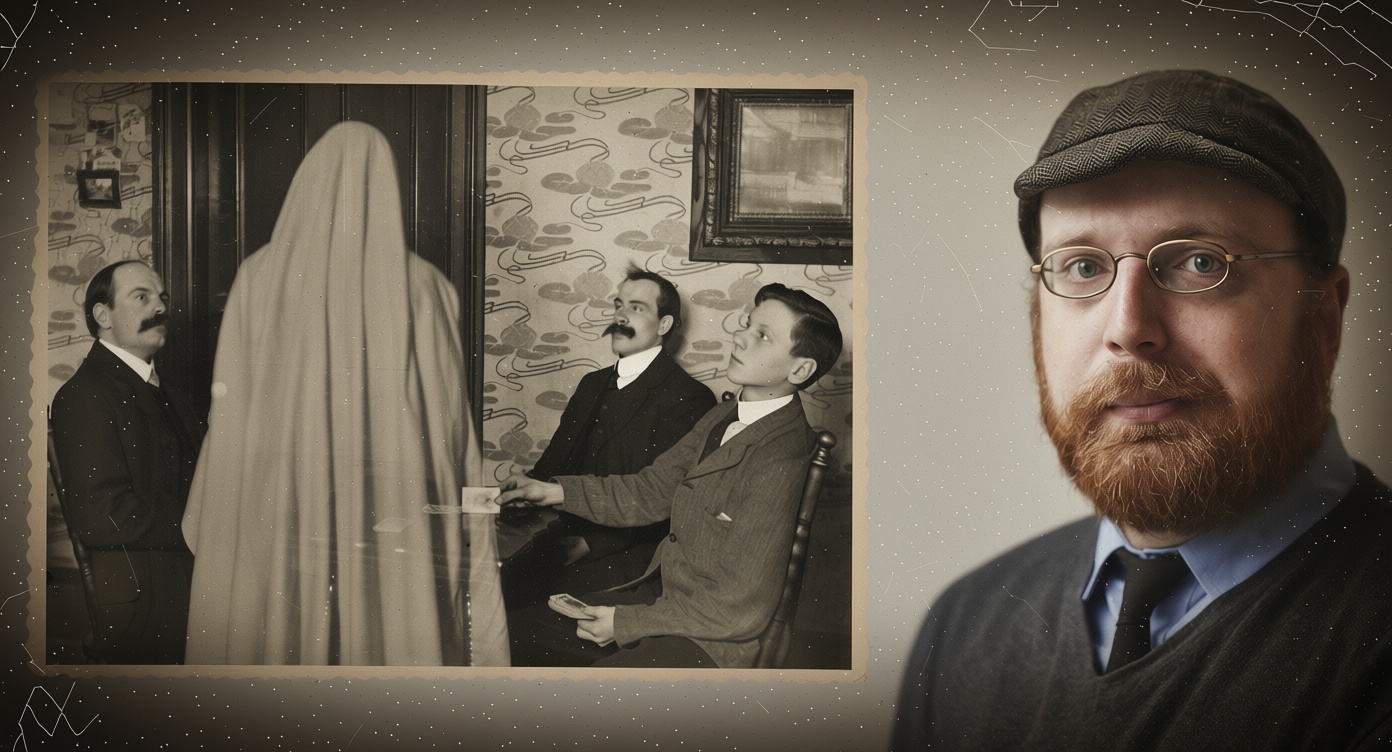
The series will divide Toronto’s supernatural lore into four themes: Colonial Spectres, Victorian Spirits, Séances and the World Wars, and Modern Phantoms. Bunch said each lecture will use ghost stories as a window into broader historical forces, including colonialism, urban sprawl, transit infrastructure and prominent historical figures. In that sense, the paranormal becomes a narrative device for examining the city’s past more closely.
One example Bunch highlighted is the Gibraltar Point Lighthouse, where the ghost of a lightkeeper has long been part of local lore. In telling that story, he said, audiences also learn about the War of 1812, the Toronto Islands, the early city after its founding and the colonial era. “People are learning that history sometimes even without really realizing they’re learning it, because they think they’re just listening to a ghost story,” he said. The approach reflects a longstanding tradition in heritage storytelling, where folklore helps keep historical memory alive.
Toronto’s Haunted Reputation
Toronto, according to Bunch, has no shortage of material. He pointed to the University of Toronto’s St. George campus as one of the city’s densest clusters of ghost stories, with physical landmarks and architectural details helping sustain tales such as those involving stonemasons Ivan Reznikoff and Paul Diabolos. The city’s institutions and older neighbourhoods, he said, often carry stories that blend documented history with oral tradition, creating a distinctive local mythology.
That appetite for the eerie has deep roots in Canadian literary culture as well. The lecture series syllabus quotes Robertson Davies, founding master of Massey College, who once argued that Canadians needed ghost stories because the country was “a little too rational.” Davies described that tendency as “the rational rickets,” suggesting supernatural tales function as a kind of cultural supplement. Poet Earle Birney offered a similar thought when he wrote, “It’s only by our lack of ghosts we’re haunted.”
Access and Schedule
For those interested in Toronto’s spooky side, the first lecture, Colonial Spectres, is scheduled for September 18 at noon. The remaining talks will take place on October 9, November 13 and December 11. Each session will be held online via the Toronto Public Library, and recordings will later be posted on the library’s YouTube channel, allowing viewers to catch up after the live events.
While the series may appeal to fans of the paranormal, its broader value lies in the way it uses ghost lore to illuminate the city’s social and historical layers. In Bunch’s view, the stories endure not because people always believe them, but because they help explain how communities remember the past — and why some places continue to feel haunted long after the events they witnessed.