Overview
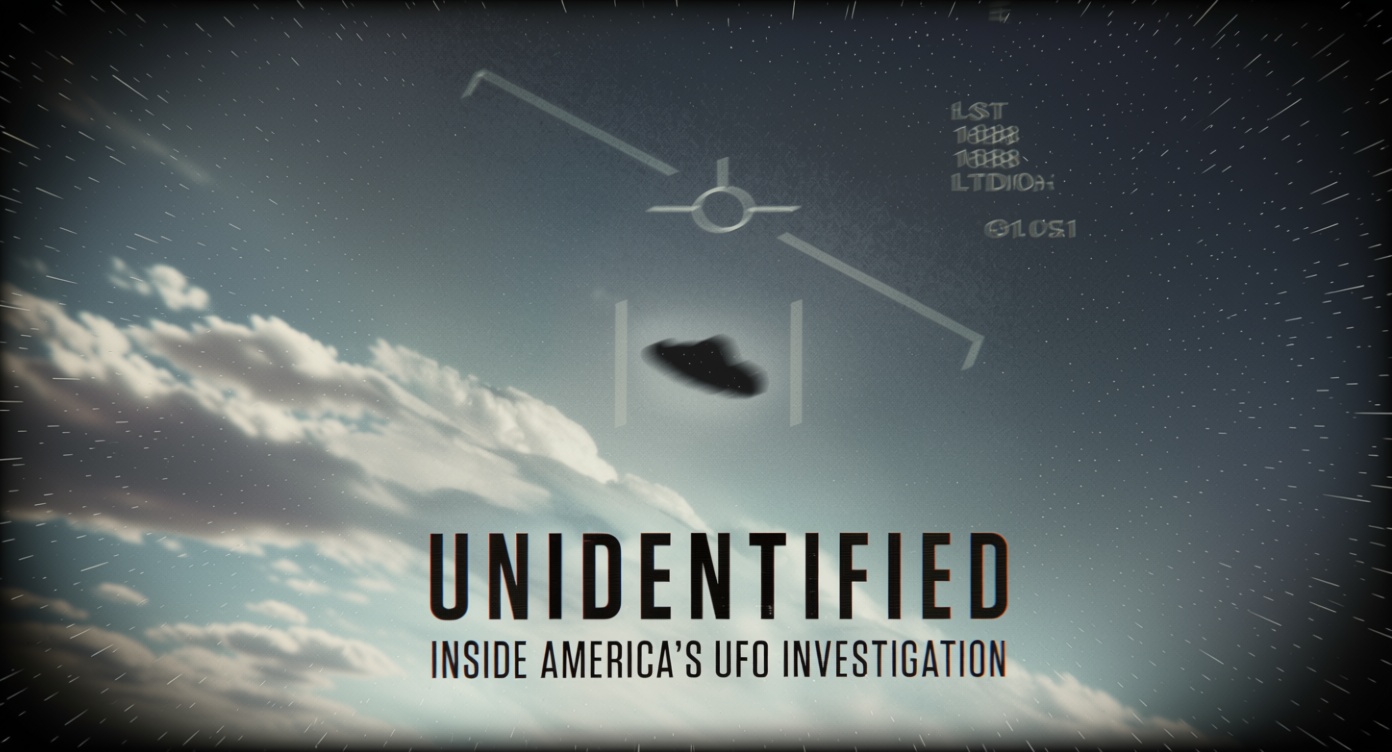
A review by The New York Times of material released by a Trump-backed panel examining unidentified anomalous phenomena has found that the evidence remains inconclusive. The review covers six tranches of files produced through the panel’s PURSUE effort, along with assessments from former All-domain Anomaly Resolution Office (AARO) director Sean Kirkpatrick.
Rather than confirming extraterrestrial craft or other extraordinary explanations, the documents and expert commentary described in the review point to a continuing effort to separate unusual observations from misidentified aircraft, atmospheric effects, sensor artifacts and other conventional causes. The findings underscore the gap between the public interest surrounding unidentified objects and the limited amount of independently verifiable evidence available so far.
The PURSUE Files
The six released tranches of PURSUE files represent the panel’s effort to organize and examine reports of unexplained sightings. Their publication adds to a growing body of government-related UAP material, but the review indicates that the files do not establish a single explanation for the incidents they describe.
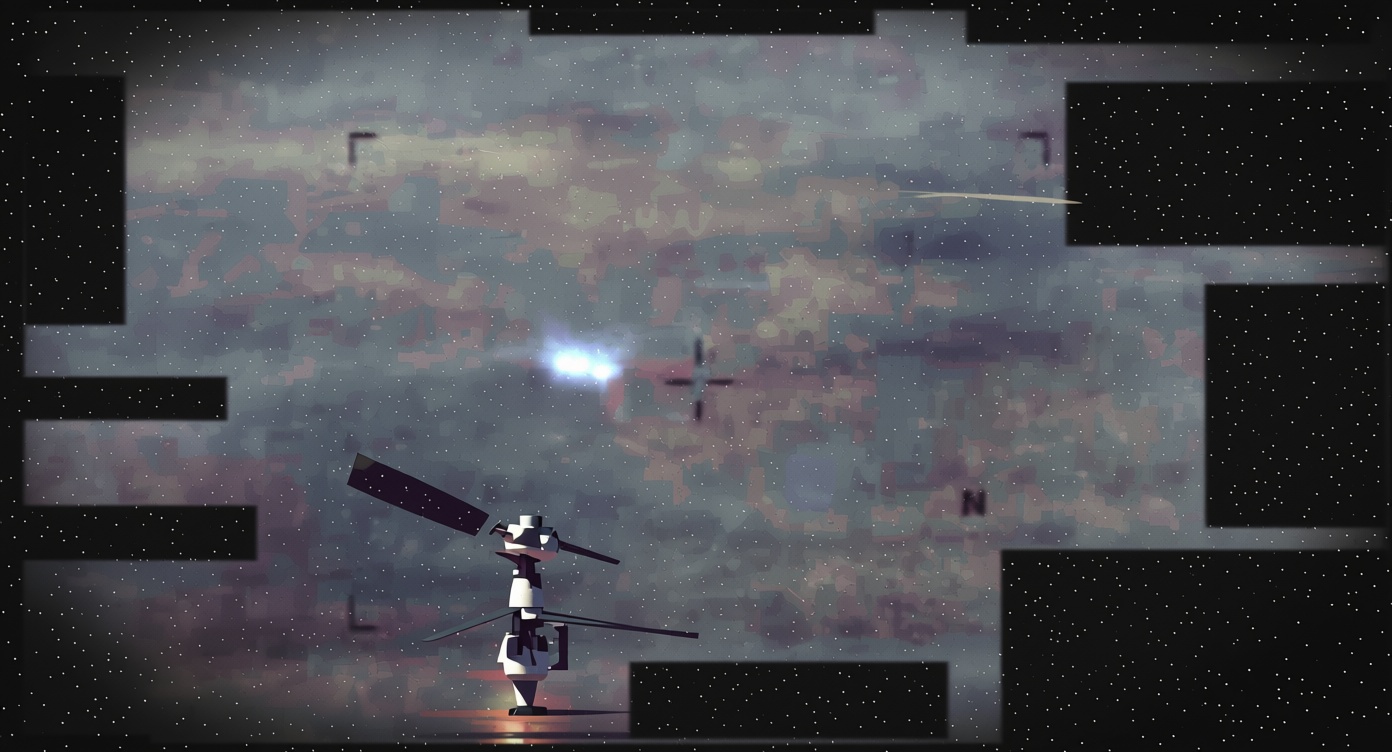
No definitive evidence of nonhuman technology has emerged, according to the Times’ assessment. The cases remain significant largely because they reflect unresolved observations—not because they demonstrate that the objects involved were extraterrestrial. As with previous UAP investigations, the central challenge is the lack of complete data, including reliable sensor records, corroborating witnesses and information that can be independently analyzed.
The release of additional files nevertheless provides researchers with more material for comparison. It also illustrates the difficulty of drawing broad conclusions from reports collected under varying conditions and with different levels of documentation.
Kirkpatrick’s Assessment
The Times review also includes comments from Sean Kirkpatrick, who led AARO before leaving the position. AARO was established by the U.S. government to investigate reports involving objects or events that appear to operate across air, space, water or multiple domains.
Kirkpatrick’s perspective is relevant because AARO’s work has emphasized methodical analysis over speculation. The office has repeatedly confronted cases in which apparent anomalies became less mysterious after investigators examined the limitations of available sensors, the effects of perspective and the possibility of ordinary objects being observed under unusual circumstances.
The broader implication is that unresolved does not mean unexplained in an extraordinary sense. Some cases may remain open simply because investigators lack enough evidence to reach a firm conclusion.
Natural and Plasma Explanations
Alongside the government-file review, academic discussions have explored whether at least some UAP reports could involve night-sky phenomena, plasma formations or other natural events. Scholars Liz Stillwaggon Swan, Jack Hunter and Massimo Teodorani are among those examining how unusual atmospheric observations might be interpreted without immediately invoking advanced technology.
Their work includes a quantitative reassessment of the “natural battery” hypothesis proposed to explain the Hessdalen lights, a recurring light phenomenon reported in Norway. The hypothesis considers whether geological, atmospheric and electrical processes could generate or sustain luminous events in the region.
A quantitative approach is important because it tests whether a proposed mechanism can account for the observed energy, duration and behavior of the lights. It does not, by itself, prove that all Hessdalen sightings—or UAP reports elsewhere—have a natural origin. Instead, it offers a framework for evaluating competing explanations using measurable physical conditions.
Continuing Investigation
The panel’s files and the academic work described by the Times point toward a more cautious direction for UAP research. The available evidence supports continued investigation, but not definitive claims about extraterrestrial vehicles or nonhuman intelligence.
Future progress will depend on the release of higher-quality data, transparent investigative methods and collaboration among government agencies, scientists and independent researchers. Until those standards are met, the most credible conclusion remains that some sightings are unresolved while the underlying explanations remain open.