Overview
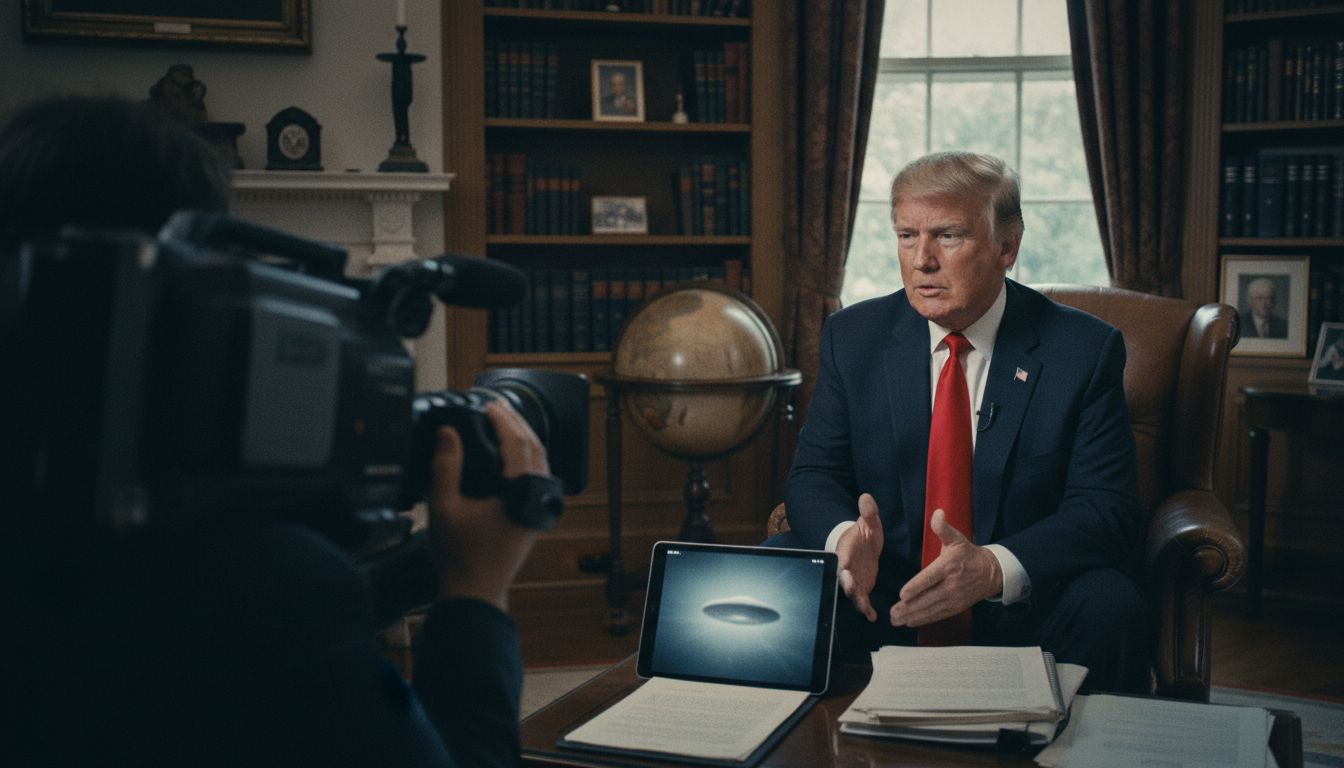
President Donald Trump said his administration is continuing to examine and release records concerning unidentified anomalous phenomena, but indicated that a broader UFO disclosure effort is not a major priority. In an Oct. 15, 2026, interview with Newsmax host Rob Finnerty, Trump was asked whether he would become the president to reveal what the U.S. government knows about extraterrestrial life, alleged alien visitation and purported reverse-engineering programs.
“I’m looking,” Trump said. “I’m not high on the list of the, that particular subject.” The response did not include a new disclosure policy, a timetable for releasing records or a commitment to provide a comprehensive explanation of the government’s knowledge about UFOs, now commonly referred to by federal agencies as UAP, or unidentified anomalous phenomena.
Accounts From Military Pilots
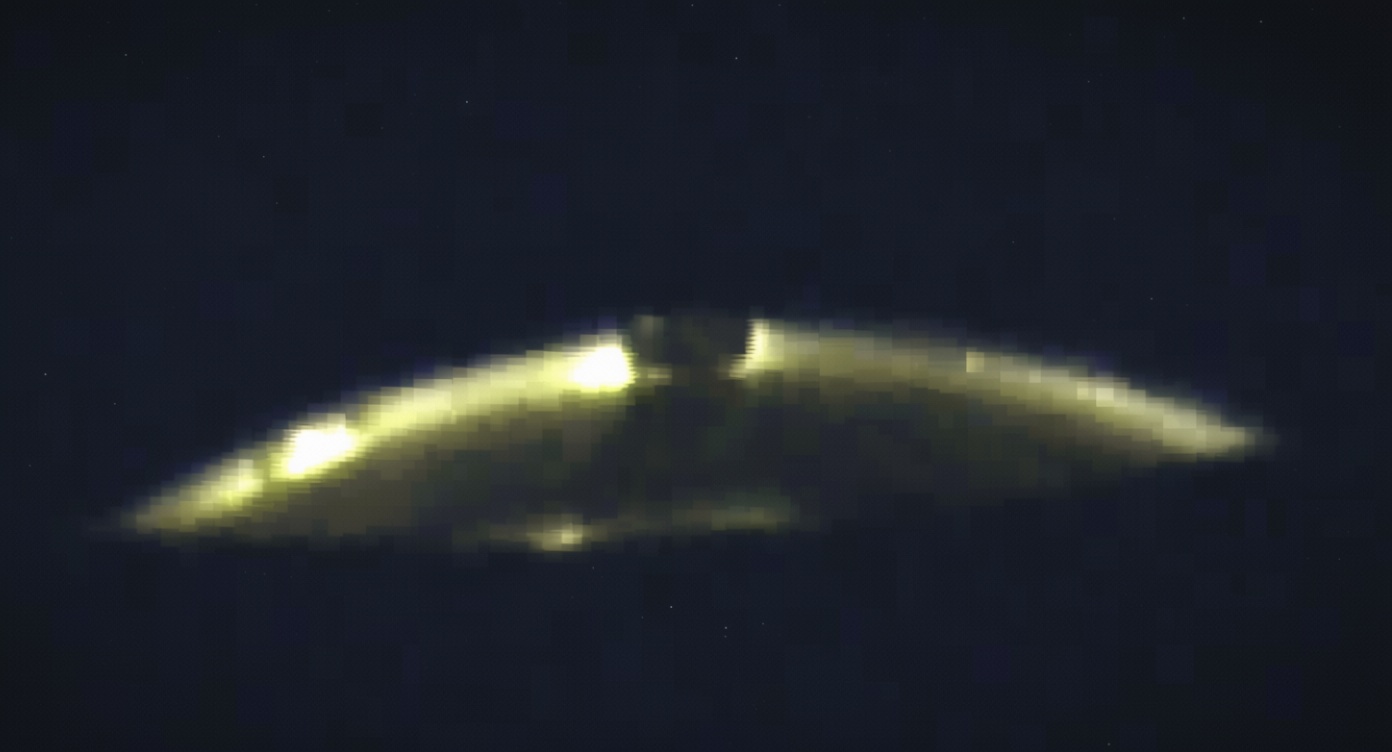
Trump said he had spoken personally with approximately five or six Air Force pilots who described aerial observations they could not explain. He recalled one pilot allegedly reporting a round object traveling about four times faster than an F-22 fighter jet.
The president said he asked whether the object might have been a comet or another conventional phenomenon, but that the pilot rejected the suggestion. The account has drawn attention because it involves military personnel and claims of extraordinary performance. However, no names, dates, locations or operational details were provided.
The report therefore remains an unverified secondhand account, rather than an independently documented measurement. No radar data, flight telemetry, sensor records or authenticated military assessments were presented during the interview. Such information would be necessary to determine whether the reported speed was accurately calculated and whether the observation could be explained by a known aircraft, atmospheric effect, sensor error or another conventional cause.
What “Disclosure” Means
Trump also told Finnerty, “We are releasing documents. We are releasing everything.” That broad statement is difficult to evaluate without a specific inventory of records or a release schedule. Government disclosure can refer to several distinct actions, including the publication of historical files, the declassification of sensitive military material, the release of investigative findings or a presidential statement addressing alleged evidence of nonhuman technology.
The Pentagon’s All-domain Anomaly Resolution Office (AARO) maintains a public collection of UAP information and has published reports and information papers relating to current and historical investigations. Its website also directs researchers to UFO-related materials being digitized and made available through the National Archives. These efforts demonstrate that official records are being processed and released, but they do not establish that every relevant classified file has been made public or that long-standing allegations have been resolved.
Historical Context and Outstanding Questions
The administration’s position comes amid decades of public debate over government secrecy and UFO investigations. Researchers continue to examine earlier military inquiries, Freedom of Information Act disputes and prominent incidents such as the 1986 Japan Airlines encounter, in which crew members reported observing unusual lights during a flight over Alaska. The case remains part of the broader historical record, although reports of unusual observations do not by themselves establish an extraterrestrial explanation.
The subject has also attracted political attention from figures outside government. Philanthropist Laurance Rockefeller pressed officials during the 1990s to examine the Roswell incident and investigate UFO reports more openly, helping bring the issue into discussions involving government agencies and policymakers. Those efforts, like more recent disclosure campaigns, reflect continuing public demands for greater transparency.
The Administration’s Next Steps
Trump’s latest comments leave the administration’s priorities unclear. While he suggested that records are being released, he did not identify which materials remain classified, explain how future disclosures will be handled or promise an official accounting of alleged crash-retrieval and reverse-engineering programs.
For researchers and the public, the key issue is likely to be the quality and verifiability of future releases, rather than the volume of documents alone. Without supporting sensor data, clear chains of custody and independent review, extraordinary claims will remain unresolved. Trump’s remarks signal continued interest in the subject, but they also indicate that a sweeping UFO disclosure initiative is not currently near the top of his administration’s agenda.