Overview
A new discussion from Donald Trump’s UFO advisers is adding a skeptical note to one of the most persistent themes in UAP reporting: glowing orbs in the sky. According to the report, the advisers say many sightings that appear mysterious at first glance likely have conventional explanations, including drones, aircraft, and natural atmospheric effects. Their assessment reflects a broader shift in the public conversation around unidentified anomalous phenomena, where investigators are increasingly emphasizing careful review of sensor data, lighting conditions, and witness perspective before assuming something extraordinary.
Conventional Explanations for “Orb” Sightings
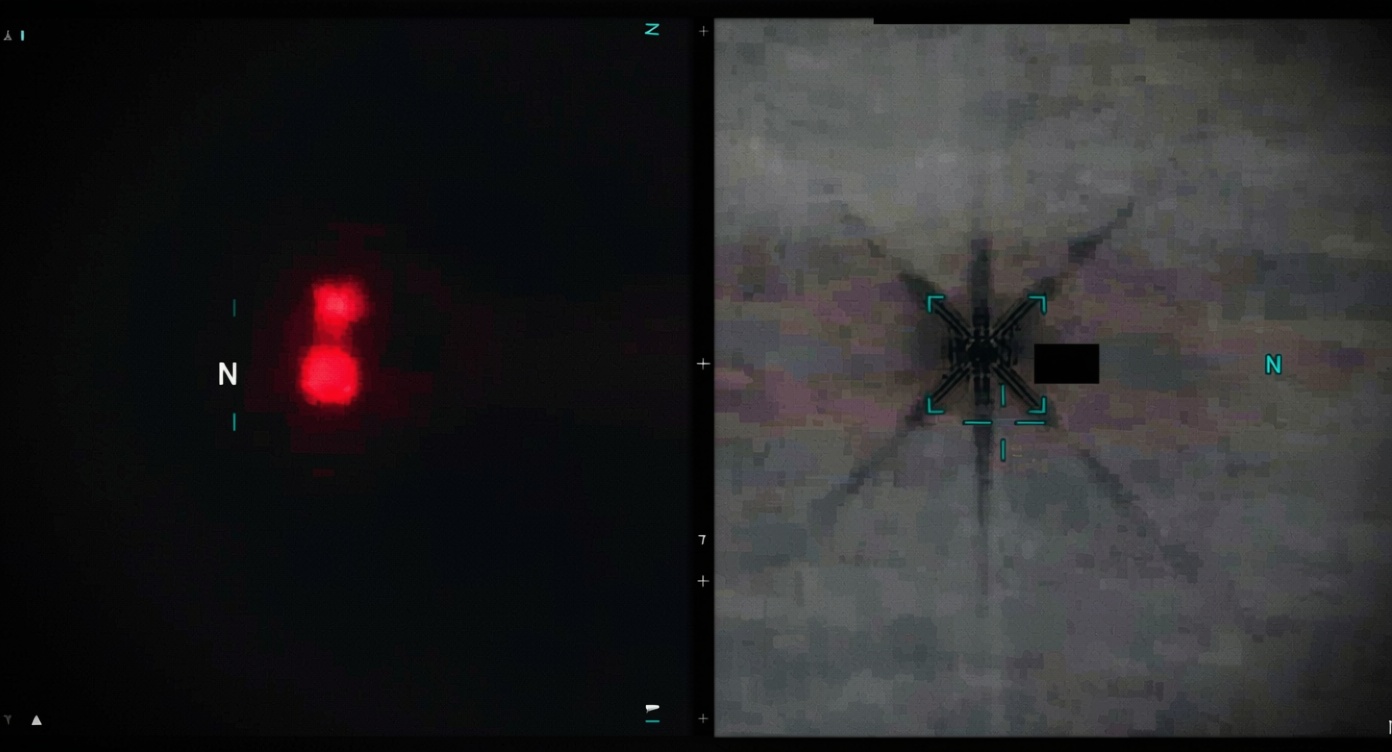
The advisers’ position is that the glowing orb label can be misleading because it often describes what a witness sees rather than what the object actually is. In many cases, bright points of light reported as hovering or moving erratically may be commercial aircraft seen at unusual angles, drones operating at night, or even planets, reflections, lens effects, and other natural or optical phenomena. That framework does not dismiss witnesses, but it does suggest that appearances alone are not enough to establish an unknown origin.
This kind of caution is common in modern UAP analysis. Investigators typically stress that a compelling sighting can still turn out to be mundane once it is matched with flight records, weather data, or camera artifacts. The advisers’ argument appears to follow that line of reasoning: most glowing orb reports deserve scrutiny, but not necessarily a presumption of exotic technology or nonhuman activity.
One Case Still Unresolved
Even so, the advisers reportedly say that one recent encounter remains unresolved and continues to puzzle investigators. Unlike the more routine sightings that may be traced to familiar causes, this case has not yet been explained in a way that satisfies analysts. The details of the encounter were not described in the available summary, but the fact that it remains open suggests it may involve either incomplete data, conflicting accounts, or observations that do not easily fit standard categories.
That unresolved case is significant because it underscores the central tension in UAP reporting: most events may be explainable, but a small number remain difficult to classify. For researchers and policymakers, those outliers are often the most important, not because they prove anything extraordinary, but because they reveal the limits of current data collection and assessment methods.
Broader Implications for UAP Debate
The advisers’ comments come at a time when UAP discussions have moved further into the mainstream of national security and public policy. What once was treated largely as a fringe topic is now being approached with a mix of skepticism and institutional seriousness. Reports of glowing orbs, in particular, have attracted widespread attention online, but official and quasi-official voices have increasingly warned against drawing sweeping conclusions from striking visuals alone.
For now, the message from Trump’s UFO advisers appears measured: most glowing orb sightings probably have ordinary explanations, but not every case has been solved. That balance—between skepticism and open inquiry—remains at the heart of the UAP debate. As long as one recent encounter is still unresolved, the question of what observers are actually seeing will continue to draw attention, even as investigators work to separate the unusual from the unknown.