Overview
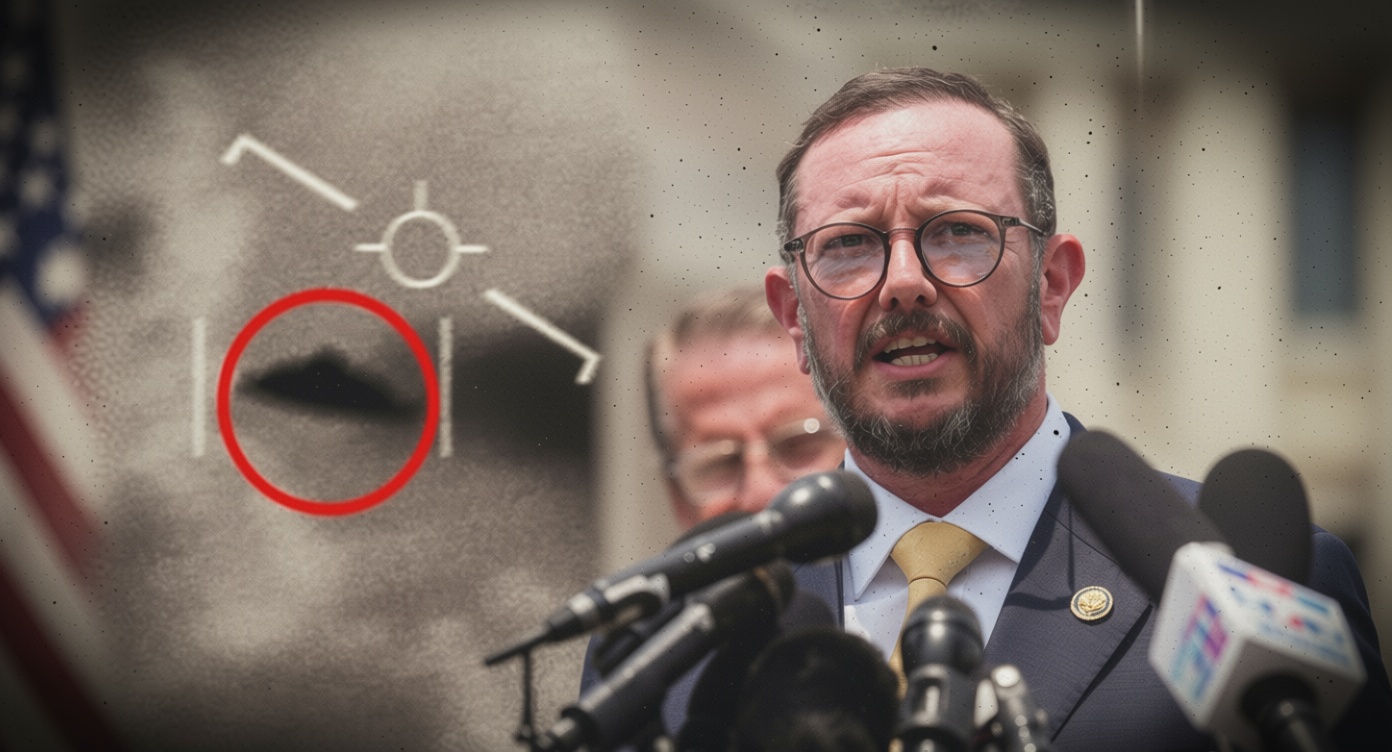
Trump-aligned UFO advisers are alleging that private corporations, not just the federal government, may be operating programs to recover purported alien craft, according to a New York Post report published Saturday. The claim adds a new layer to the long-running debate over UAP transparency, reviving questions about what the U.S. government, its contractors and defense-linked firms may know about unexplained aerial phenomena.
The accusations come at a time when interest in UAPs remains high in Washington, where lawmakers have pushed for more disclosure about military sightings, classified investigations and possible legacy recovery efforts. But while the latest claims are likely to draw attention from both believers and skeptics, the reporting available so far does not provide public evidence that such private retrieval programs exist or that any craft of non-human origin has been confirmed.
The Allegations
The central assertion is that corporate entities may be carrying out covert recovery work outside of normal government oversight. That idea is not new in UAP circles: for years, advocates have argued that sensitive aerospace and defense contractors could hold fragments, materials or intelligence related to unidentified objects in highly restricted programs. What makes the latest allegations notable is the political proximity of the speakers and the suggestion that these efforts may have operated for years in parallel with official federal inquiry.
Still, the report appears to rely on the broader claim itself rather than on independently verified documentation. No specific company names, program identifiers or corroborating records were included in the source material provided. That leaves the accusation in the realm of unverified allegation, even as it feeds a familiar narrative that some of the most consequential UAP information may sit outside public view. In the absence of concrete evidence, the claims remain impossible to assess beyond their political and cultural impact.
Why It Matters
The idea of private-sector involvement in classified retrieval efforts touches a sensitive nerve in UAP oversight. If true, it would suggest that knowledge about anomalous objects could be compartmentalized not only within intelligence and defense agencies, but also among contractors bound by secrecy agreements and limited public accountability. That possibility is one reason UAP advocates have repeatedly argued for stronger congressional oversight and mandatory disclosure mechanisms.
At the same time, the allegation highlights a persistent challenge in the UAP debate: distinguishing credible whistleblower testimony, institutional secrecy and speculation from confirmed fact. Public fascination with alien craft-retrieval programs has often outpaced the evidence available to journalists, scientists and lawmakers. Without documentation, testimony under oath, or independent verification, such claims can deepen suspicion without resolving any of the underlying questions.
Broader Context
The latest accusation is likely to become part of a much larger conversation about how the U.S. handles unexplained aerial encounters, classified materials and contractor oversight. Even if the specific claims prove unsubstantiated, they reflect a real and continuing concern among lawmakers and the public: who controls UAP-related information, and who gets to decide what is shared. For now, the story is less about confirmed alien technology than about the enduring tension between secrecy, accountability and public trust.