Overview
The renewed debate over UFO disclosure is once again moving into the political mainstream, this time with the Trump era being cited as a possible inflection point in how the U.S. government handles unexplained aerial phenomena, or UAP. The discussion has drawn added attention to Dr. Avi Loeb, the Harvard astrophysicist known for arguing that some anomalous objects may warrant serious scientific consideration rather than dismissal. In the latest reporting, Loeb’s views are placed alongside questions about whether a future or reconfigured U.S. policy framework could make disclosure more transparent, more centralized, or more cautious.
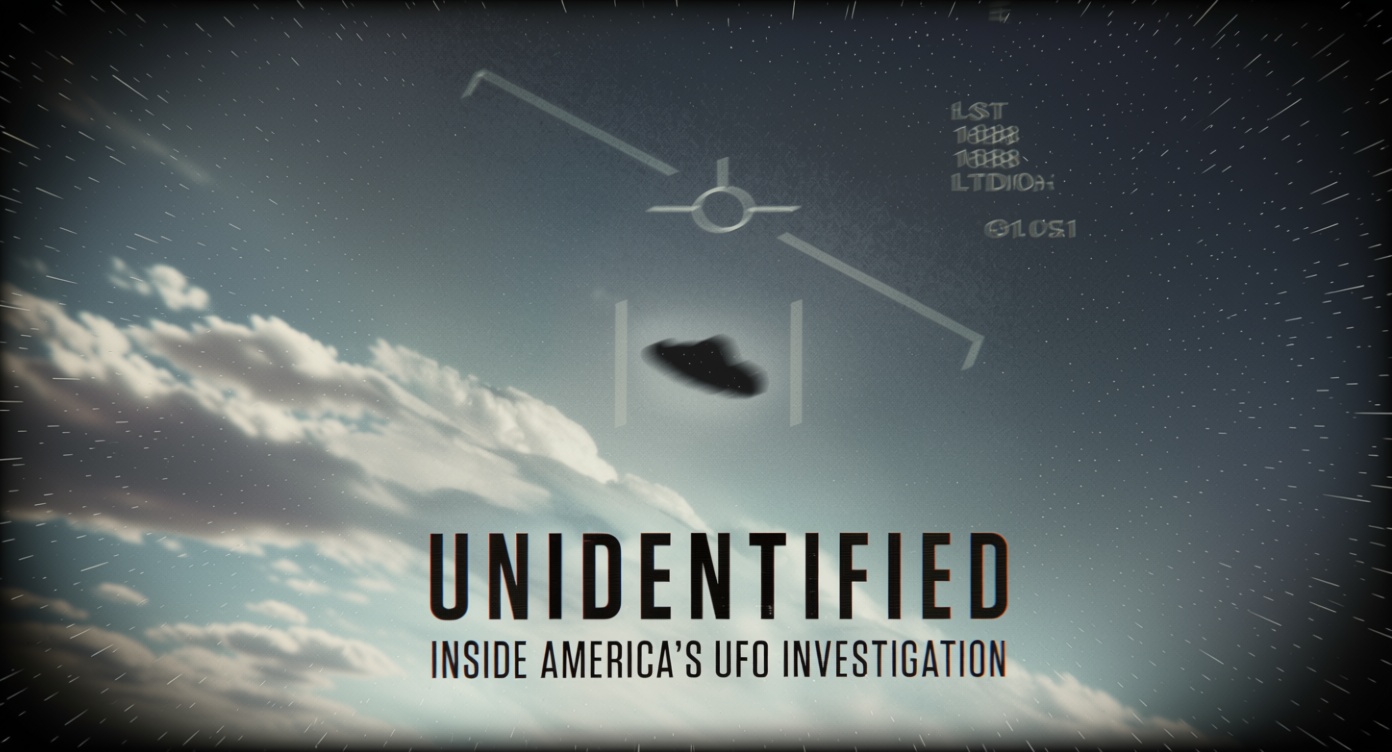
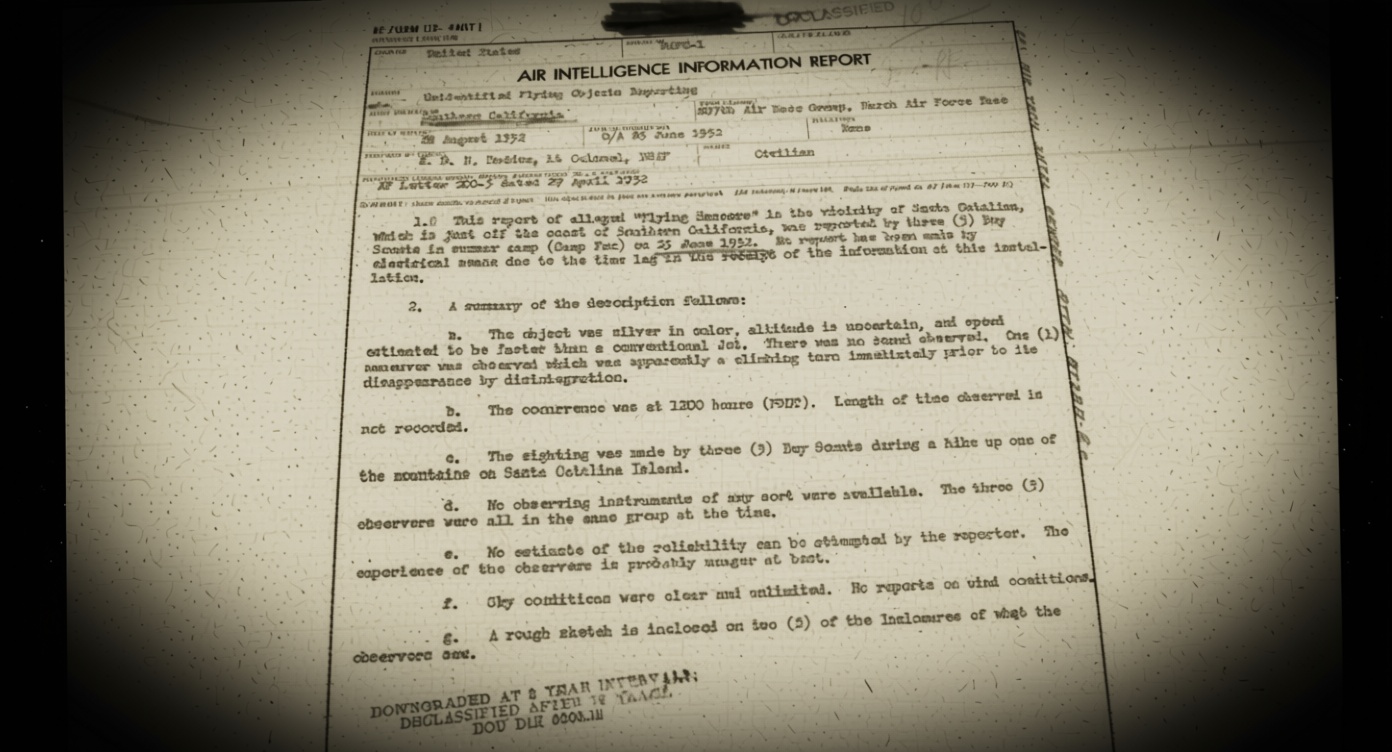
The focus is not simply on whether unidentified objects exist, but on how government institutions define, investigate, and communicate about them. That distinction matters because UAP policy affects what data is collected, which agencies can access it, and how much of it is shared with the public, Congress, and allied governments. In recent years, increased public interest has been driven by military pilot reports, Pentagon reviews, and a growing body of official but often inconclusive footage and testimony.
Avi Loeb and the Scientific Case for Investigation
Loeb has become one of the most visible academic figures arguing that anomalous detections should be treated as a legitimate research problem. His position is not that extraterrestrial origins are proven, but that alien technology cannot be ruled out without rigorous analysis. That approach has made him a polarizing figure: supporters see a scientist insisting on evidence-based inquiry, while critics argue that he sometimes moves too quickly from anomaly to speculation.
In the UAP debate, Loeb’s message is consistent: if an object exhibits capabilities beyond known human technology, then the scientific response should be to ask what it is, how it behaves, and whether existing databases are sufficient to classify it. That framing has helped shift the conversation from sensational claims toward questions of measurement, transparency, and methodology. It also aligns with a broader push among researchers and lawmakers who want UAP cases handled as a national security and scientific issue, rather than a fringe curiosity.
How UAP Policy Could Shape Disclosure
The larger issue highlighted in the article is policy. A Trump-era approach to UAP could mean greater emphasis on speed, secrecy, or executive control, depending on the priorities of the administration and the agencies involved. Any disclosure strategy would need to balance public accountability with classified defense concerns, especially if sightings involve sensitive sensor systems, advanced drones, or foreign surveillance platforms. That tension has long slowed meaningful disclosure and often leaves the public with fragments instead of conclusions.
A robust UAP policy would likely define how incidents are reported, how data is verified, and when information can be declassified. It could also determine whether the government treats UAP as a matter for the Pentagon alone or as a cross-agency issue involving intelligence, aviation safety, and scientific institutions. For observers of disclosure efforts, the key question is whether policy changes would produce more clarity or simply a new layer of political messaging.
What Comes Next
For now, the significance of the discussion lies in how it reflects a broader shift: UAP are no longer being discussed only by enthusiasts and whistleblowers, but by scientists, policymakers, and national security officials. Loeb’s prominence in that conversation underscores a changing tone—one that is more open to the possibility of nontraditional explanations, including advanced technology that may not be human in origin, while still demanding evidence.
The outcome will likely depend less on rhetoric than on whether future policy can produce better data, clearer standards, and more credible public communication. If that happens, disclosure may finally move from speculation to substance.