Overview
The U.S. War Department has released its fifth batch of records concerning unidentified anomalous phenomena (UAP), making public 41 documents, images and videos collected between 1950 and 2026. The release, reported by Vietnam.vn and attributed in part to CBS News, follows a review intended to remove sensitive information while preserving material relevant to the government’s historical and ongoing examination of unexplained aerial observations.
UAP is the official term increasingly used by U.S. agencies in place of “unidentified flying objects,” or UFOs. The designation indicates that an object or event could not be immediately identified at the time it was observed. It does not establish that the phenomenon is extraterrestrial, and officials have continued to stress that unexplained observations may ultimately be linked to aircraft, drones, atmospheric effects, sensor errors or other conventional causes.
What the Files Contain
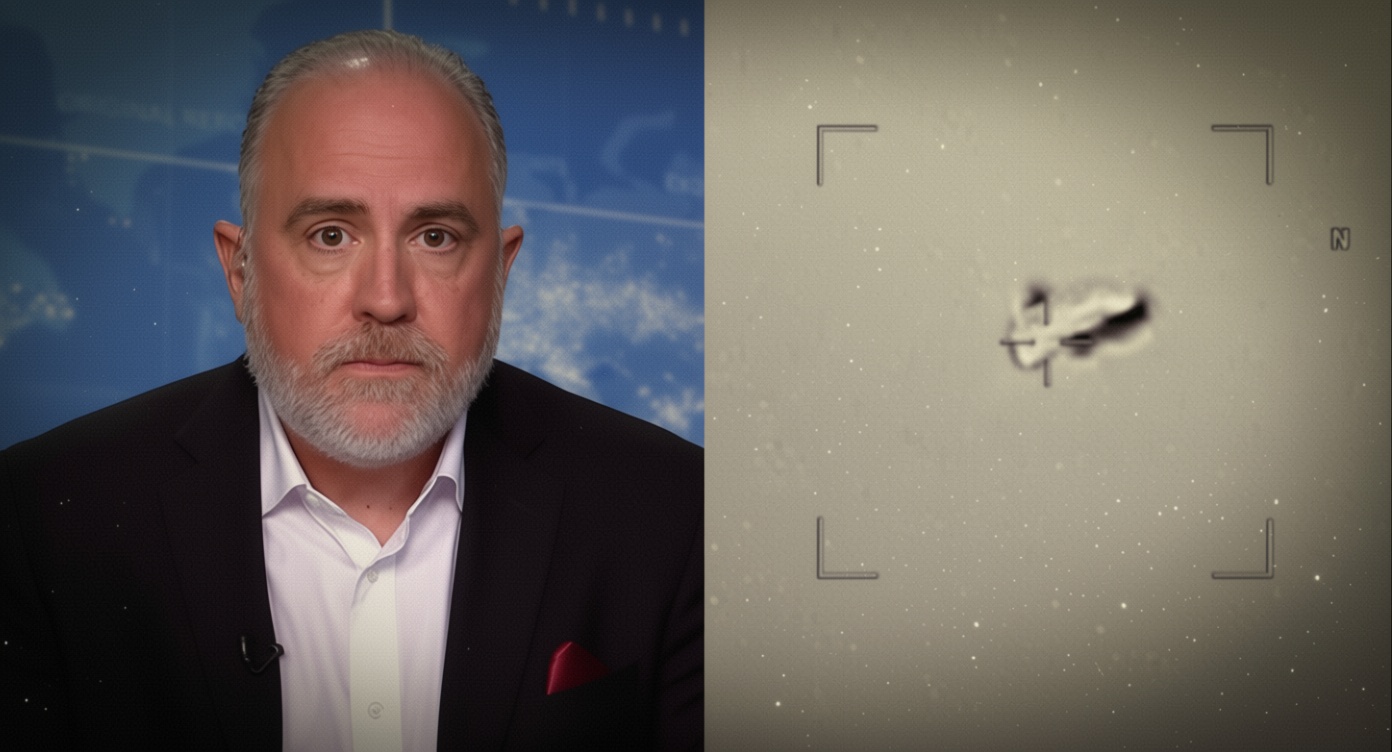
Much of the newly published material consists of low-resolution video recorded by military sensors and cameras, along with audio recordings, investigative reports and imagery. The records were compiled across multiple government bodies, including the Pentagon, Federal Bureau of Investigation, Central Intelligence Agency, State Department and the Executive Office of the President.
One image identified in the release was reportedly captured in Colorado in 2022 and shows a relatively clear object or light in the sky. However, the publication of an image in a UAP file does not mean investigators have confirmed the object’s nature. Rather, the records document the observation, the circumstances in which it was made and, in some cases, the investigative steps taken afterward.
The release is part of a broader program directed by President Donald Trump to disclose and report UAP-related records. Pentagon spokesman Sean Parnell said the batch includes both historical material and newly declassified information. Officials indicated that additional batches are expected as records undergo security and privacy reviews.
Case 302 and Pilot Reports
Among the records is Case 302, which documents a pilot’s reports to FBI agents about spherical lights observed between midnight and 3 a.m. in 2024. The same pilot also reported seeing similar lights during a flight from Massachusetts to Ireland in October 2023.
The file records the pilot’s account but, based on the available information, does not provide a definitive explanation for the lights. Such reports can be valuable to investigators because pilots may offer detailed information about location, timing, weather and flight conditions. At the same time, an eyewitness account alone generally cannot determine whether an observation involved an aircraft, a drone, an astronomical object, a reflection or another phenomenon.
Gulf of Oman Incident
One of the more detailed cases concerns six videos recorded during a September 2021 incident in the Gulf of Oman. The documents state that the U.S. Air Force observed approximately 25 unmanned aerial vehicles or UAPs during a live-fire exercise. Mobile-phone footage reportedly captured aircraft displays showing spherical objects detected by infrared sensors.
According to the records, the objects flew at low altitudes, at estimated speeds ranging from approximately 402 to 2,092 kilometers per hour, and moved in different formations. The documents also state that the objects appeared to react when an aircraft fired its main gun. Despite the footage and accompanying reports, the Office of Unusual Incidents had not determined the cause of the event at the time described.
Context and Next Steps
The declassification provides researchers and the public with more data, but the material remains incomplete and technically difficult to interpret. Sensor limitations, missing flight information and the absence of independent corroboration can make even apparently clear footage ambiguous. The central significance of the release is therefore transparency, not confirmation of extraordinary origins.
Future batches may add historical context or provide records from agencies that handled the same incidents differently. Until those materials are reviewed and cases are independently assessed, the files document unresolved observations rather than proven evidence of nonhuman technology.