Overview
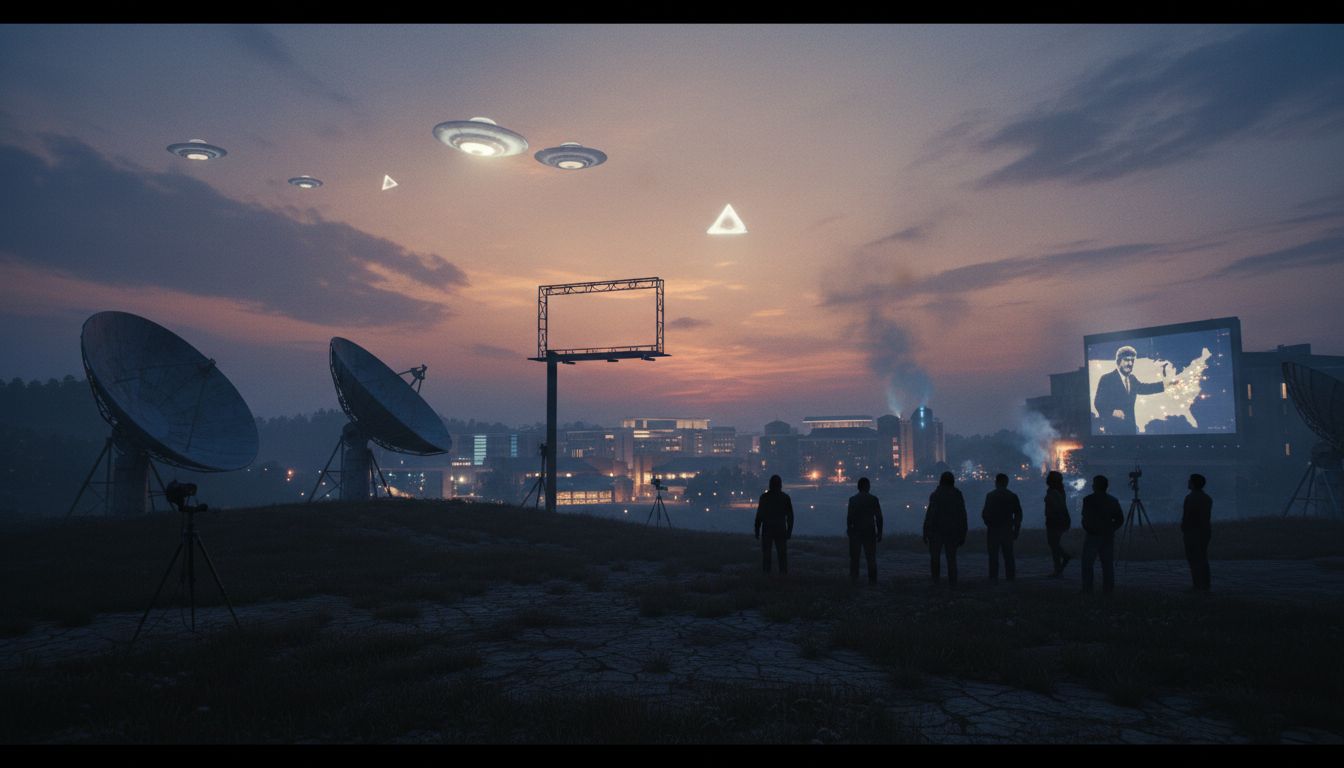
Recent weeks have seen a surge in Unidentified Anomalous Phenomena (UAP) sightings across the United States, intensifying calls for greater transparency and official disclosure. The latest analysis from the YouTube channel "Undercover ET" sheds light on sightings near key locations such as Savannah, Georgia, and Georgia Tech, fueling speculation about possible orchestrated events and their potential political ramifications. With former President Donald Trump facing increasing pressure to address the UAP issue, questions linger over whether forthcoming revelations are imminent or part of a broader strategic plan.
Mounting Pressure on Disclosure
The video host notes a "slow buildup" of public and political pressure on Donald Trump and other prominent figures to address the UAP phenomenon. Referencing a clip of Trump discussing pilot sightings, the analysis suggests that "if he doesn't do it, someone out there will turn around and say, 'Why haven't you done it yet?'" This sentiment echoes a growing consensus that official silence on UAPs is becoming untenable—especially in the wake of recent disclosures by Asian governments, which have further fueled expectations for transparency in the U.S.
Observers speculate that the Trump campaign, should it return to power, may feel compelled to take a definitive stance on the matter. The host posits, "I think it's looking more likely, to be honest with you. There's a lot of pressure," highlighting the unique political moment as both the public and media demand answers.
Notable Sightings and Investigations
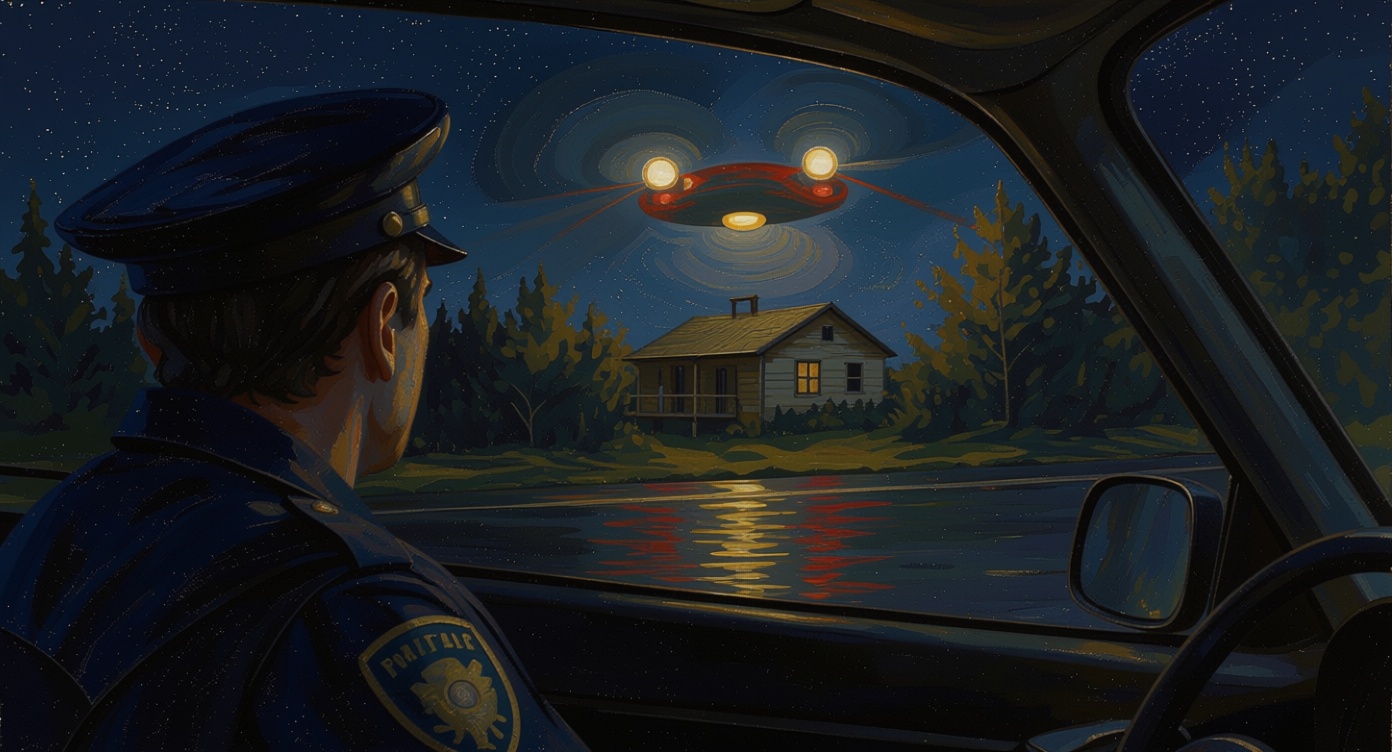
One of the most prominent recent reports comes from Savannah, Georgia, where a resident named Chapal Clay captured a "really, really good" image of a UAP. The footage has drawn comparisons to a well-known sighting by Gavin Young in Norfolk last year, but, according to the host, the Savannah evidence is "a lot clearer." The video promises a detailed examination of this material, noting its significance for ongoing public investigations.
Another subject drawing attention is the celestial object dubbed "Three Eye Atlas." While some suggest it is a comet, others, including independent researcher AY, argue it could be evidence of "non-human intelligence (NHI)." As the object approaches its closest point to Earth on December 19, amateur astronomers are expected to provide clearer images. "If something's going to happen, it's going to happen before the clear images of this thing are made available," the host speculates, underscoring the scientific and public interest in the object's true nature.
Public Research and Media Influence
The video emphasizes the importance of publicly sourced evidence and grassroots research in the current UAP landscape. The host calls on viewers to support public disclosure efforts, warning, "They might not disclose everything. Folks, it's important we do the research. Cameras in the skies. Let's go." This rallying cry reflects a broader movement within the UAP community to crowdsource documentation and analysis, given skepticism about the completeness of any official narrative.
High-profile media figures such as Joe Rogan are also playing a role in shaping public discourse. Rogan's recent appearance on the Jesse Michaels podcast is highlighted as a must-watch, with the host praising Rogan's "open mind" and depth of research. Rogan's theories—ranging from possible future human visitors to the implications of artificial intelligence—are presented as part of a larger, ongoing conversation that blends scientific inquiry with philosophical speculation.
Looking Ahead
As the December 19 approach of "Three Eye Atlas" looms and new UAP sightings continue to emerge, the coming weeks could prove pivotal. Whether these events are harbingers of official disclosure or simply the result of heightened public scrutiny, one thing is clear: "We are not alone. We do have the evidence coming in from the public, from trusted sources which I trust wholeheartedly." With mounting pressure on political leaders and continued grassroots documentation, the debate over UAPs in the United States is poised to enter a new and potentially transformative phase.