Overview
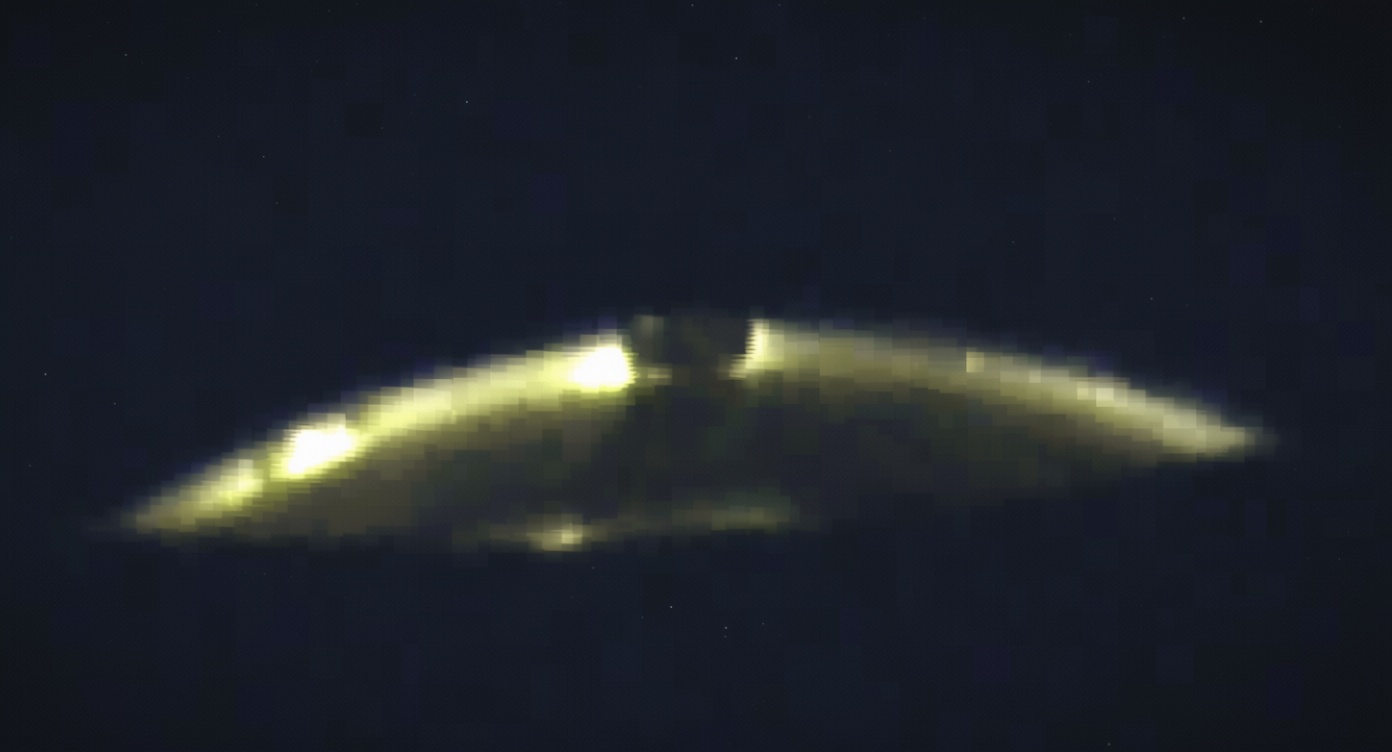
The U.S. Department of Defense’s latest release of classified aerial phenomena (UAP) data has reignited public and scientific debate about the nature of unidentified flying objects. The Pentagon’s “UAP Task Force” disclosed a trove of sensor‑recorded encounters, including infrared footage from naval vessels and radar signatures that defy conventional aircraft performance. While the material does not constitute definitive proof of extraterrestrial technology, the sheer volume and consistency of the reports have prompted some analysts to describe the moment as a “breakthrough” that makes the phenomenon feel increasingly imminent.
Expert Reactions
Former intelligence officer and UAP researcher Dr. James Miller told the Express that the new data “marks a shift from anecdotal sightings to a systematic, evidence‑based record.” Miller, who has testified before Congress, argues that the Pentagon’s willingness to declassify the material signals a “slow, compassionate disclosure” aimed at preparing the public for the possibility of an extraterrestrial origin. “When you see objects that accelerate at ten g, hover without visible propulsion, and maneuver beyond the limits of known physics, you have to ask whether we’re dealing with technology we cannot yet understand,” he said.
Conversely, Dr. Lena Kovacs, a senior physicist at the University of Colorado, cautions against jumping to alien conclusions. “Many of these sightings can be explained by sensor anomalies, atmospheric phenomena, or advanced but terrestrial platforms,” Kovacs explained. She emphasizes that the data set, while larger than previous releases, still lacks critical contextual information—such as precise altitude, speed, and pilot testimony—that would allow for rigorous scientific analysis.
Skeptical and Hybrid Theories
The release has also spawned a wave of hybrid hypotheses that blend conventional and speculative elements. One such idea, colloquially dubbed the “Avatar hypothesis,” proposes that the observed objects are autonomous drones operated by a secretive coalition of governments and private companies, designed to test public reaction to advanced unmanned systems. Aerospace analyst Mark Rivers notes, “The ‘Avatar’ narrative reflects a broader anxiety that we are being shown a staged performance, where the line between genuine unknowns and engineered spectacles is deliberately blurred.”
Other skeptics, such as former Navy pilot Captain Susan Hayes, argue that the Pentagon’s own internal assessments remain inconclusive. “The official reports repeatedly state ‘insufficient data to determine intent or origin,’” Hayes said. “That is a prudent stance, but it also underscores how little we really know.”
Implications and Public Sentiment
Public reaction appears divided. A recent poll conducted by the Pew Research Center found that 42 % of Americans now consider the existence of non‑human intelligence “somewhat likely,” up from 31 % a year earlier. The same survey indicated that 57 % feel “uneasy” about the growing body of evidence, echoing the concerns of experts who warn the phenomenon feels “imminent” and could affect national security policy.
Policy analysts warn that the lack of a unified scientific framework may lead to fragmented responses. “Congressional hearings are likely to increase, and we may see new funding for UAP research,” predicts former Senate staffer Rita Mendoza. “But without transparent data sharing between agencies and the scientific community, speculation will continue to outpace fact.”
Next Steps
The Department of Defense has announced plans to establish a permanent UAP Office within the Office of the Secretary of Defense, tasked with standardizing data collection and facilitating collaboration with civilian researchers. In parallel, the National Academies of Sciences are convening a panel to review the released material and recommend methodological standards for future investigations.
While the Pentagon’s disclosures represent a notable step toward openness, the conversation remains far from settled. As Dr. Miller reminds us, “Transparency is a process, not a destination.” Whether that process leads to an extraterrestrial revelation, a breakthrough in unmanned technology, or simply a clearer understanding of atmospheric and sensor artifacts, the dialogue between policymakers, scientists, and the public will shape how society interprets the skies in the years to come.