Overview
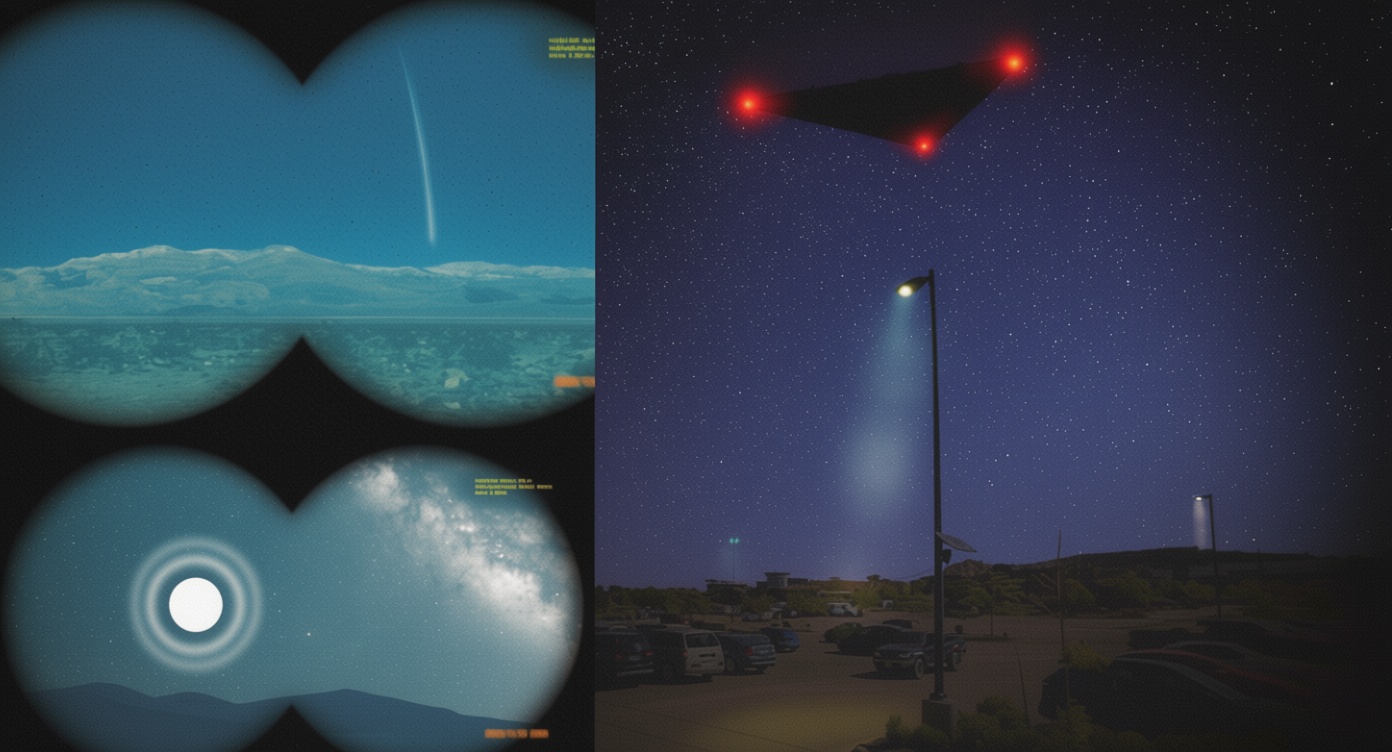
The U.S. government has released a fifth batch of 41 records related to unidentified aerial phenomena (UAP), adding documents, images and videos to its public disclosure archive. The release, reported in August 2026 as part of the administration’s continuing declassification program, includes material spanning more than seven decades. According to the available information, the oldest record dates to 1950, while the newest was created in 2026.
The files were published through the government’s PURSUE portal, a public website established to provide access to records identified for release under the administration’s UAP disclosure initiative. The newly available material reportedly comes from several federal entities, including the Pentagon, FBI, CIA, State Department and Executive Office of the President.
Rolling Declassification Program
The latest publication follows an executive order issued by President Donald Trump in February directing federal agencies to identify and release classified records concerning UAPs. Rather than appearing all at once, the records have been made public in a series of rolling releases, with no fixed interval announced between batches.
The first release went online May 8 and contained 158 files, according to the source report. Four additional releases have followed, bringing the latest 41-item tranche into a broader effort to make historical UAP-related material accessible to the public. The government has not provided a definitive timetable for completing the process, and the precise number of records still under review remains unclear.
Sean Parnell, the Assistant to the Secretary of War for Public Affairs, said in a statement announcing the latest release that the department and its partner agencies were “actively working on the next set of files.” That statement indicates that the fifth batch is not expected to be the final installment.
What the Records May Show
The inclusion of material from multiple agencies could provide researchers with a broader view of how U.S. authorities documented and assessed unusual aerial sightings over time. Military reports may focus on encounters near sensitive installations or airspace, while FBI, CIA and State Department records could contain intelligence assessments, correspondence or references to foreign sightings.
However, the release of a record does not by itself establish that an observation involved extraterrestrial technology or activity. UAP files often contain incomplete information, unverified witness accounts or imagery that can have conventional explanations, including aircraft, balloons, drones, atmospheric effects and sensor artifacts. The significance of the newly released material will therefore depend on the records’ provenance, technical quality and the context surrounding each case.
How to Access the Files
Members of the public can consult the newly released material through the PURSUE government portal, where the documents, images and videos have been uploaded for online review. Users should expect that some records may remain partially redacted to protect intelligence sources, personal information, military capabilities or other legally protected material.
The continuing releases represent a significant expansion of the government’s public UAP archive, but they also create challenges for independent analysis. Researchers will need to compare the new files with previously published military reports, congressional records and archival material to determine whether they contain genuinely new evidence or duplicate information already available elsewhere. As further batches are issued, the central question will be not simply how many files are released, but what verifiable information they contain.