The Wager
Michael Shermer, founder and publisher of Skeptic magazine, has wagered $1,000 that extraterrestrial visitation, technology or biological life will not be officially confirmed by 31 December 2030. The bet, reported by the International Business Times, places Shermer in opposition to Harvard astrophysicist Avi Loeb, a leading advocate for applying scientific methods to the study of unidentified anomalous phenomena (UAP).
The wager is registered through the Long Now Foundation’s Long Bets programme. Regardless of the outcome, the money will be donated to the Galileo Project Foundation, an initiative associated with Loeb that searches for evidence of extraterrestrial technological signatures. The arrangement means the contest is less a conventional financial gamble than a public test of competing expectations about how quickly governments and scientific institutions might reach a formal conclusion on UAP.
What Counts as Confirmation
The terms of the wager are narrower than the headline prediction may suggest. Shermer is not asserting that life cannot exist beyond Earth. Instead, he predicts that at least two of three named organisations—NASA, the National Science Foundation and the American Astronomical Society—will not affirm by the deadline that extraterrestrial intelligence has been discovered.
The qualifying evidence would have to include an extraterrestrial technological object or alien biological life found on Earth. As a result, unresolved sightings, unexplained sensor readings or testimony from military and government personnel would not necessarily settle the bet. A failure to meet the specified institutional standard would also not demonstrate that humanity is alone; it would simply mean that the evidence had not been judged sufficient for official confirmation.
UAP Records Under Review
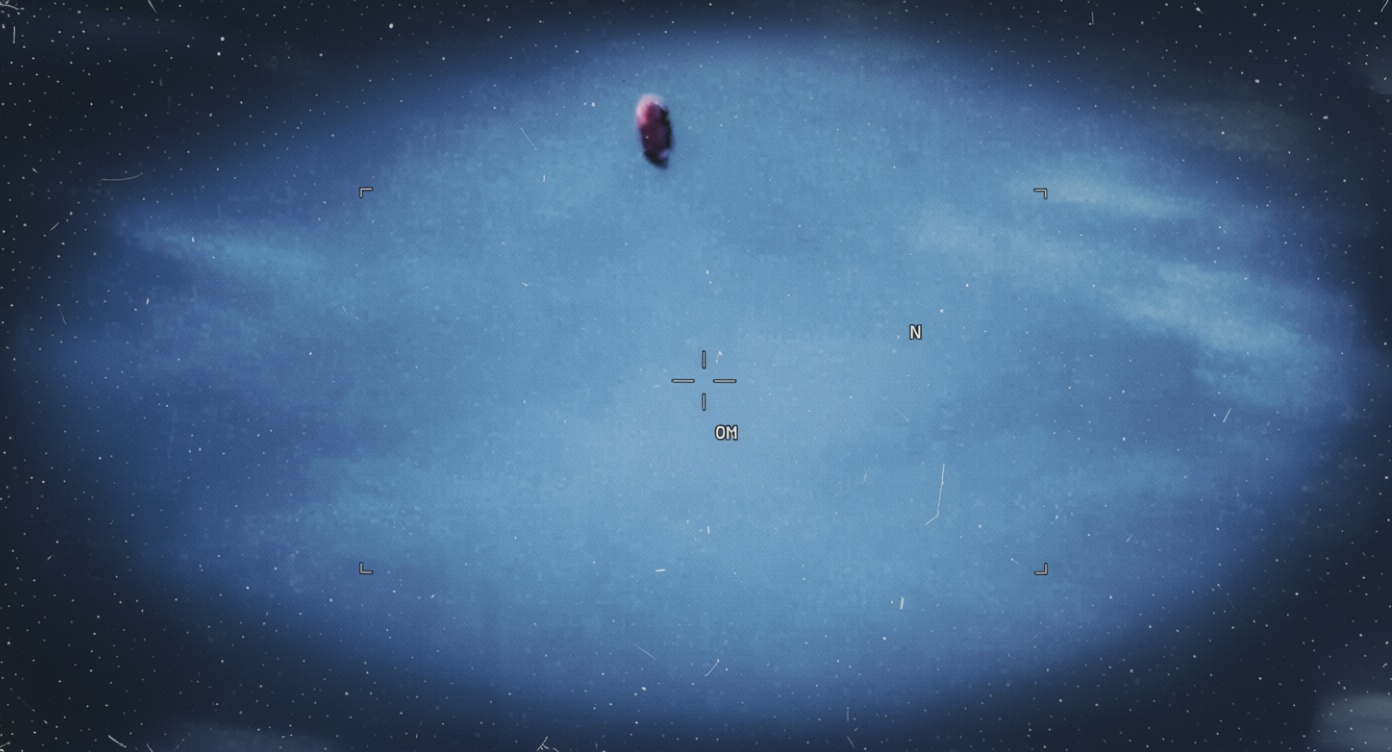
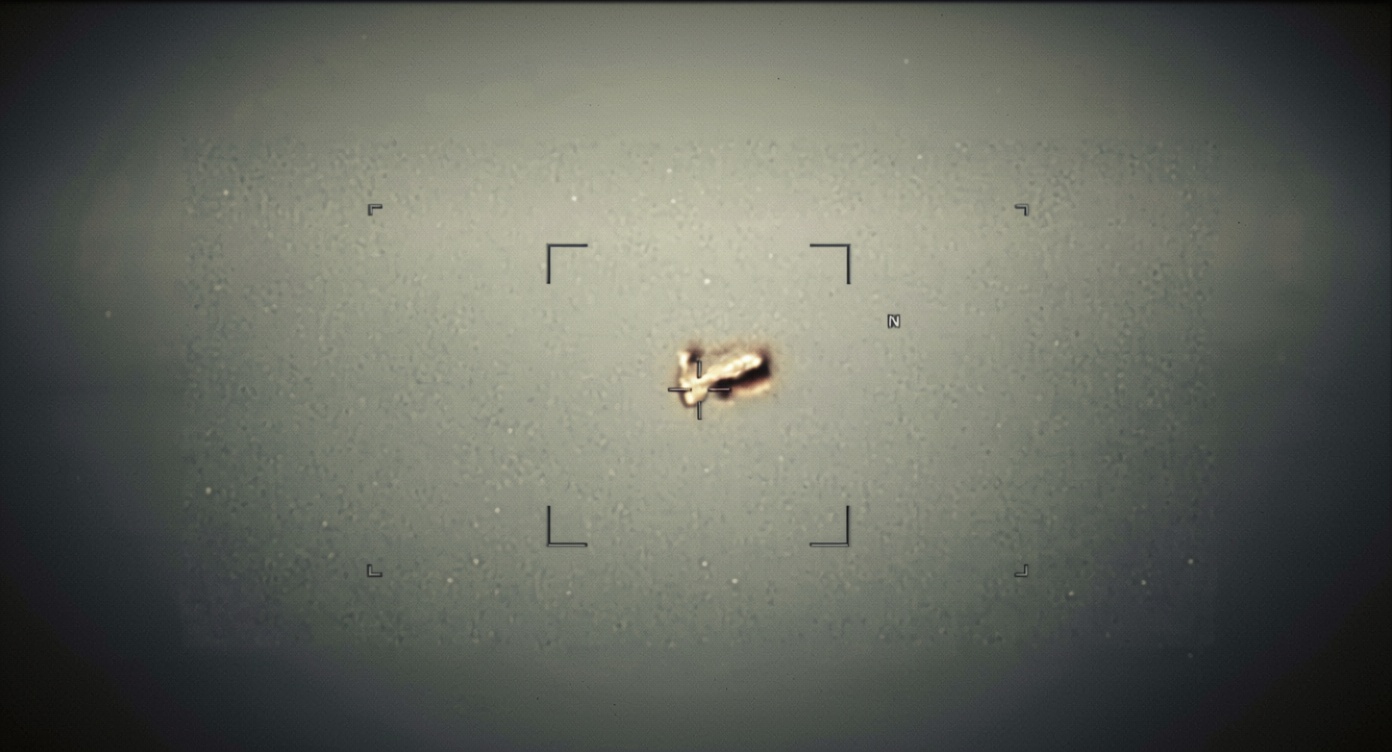
The wager comes as the Trump administration reviews and releases a large archive of US government records relating to UFOs, UAP and claims involving extraterrestrial life. Six tranches of material had reportedly been released by 18 September, including military and intelligence documents, infrared data, video and audio recordings, FBI and NASA records, correspondence and artists’ renderings.
According to reports, the archive contains approximately 155,000 unique UAP-related pages from seven countries. While the collection includes numerous unresolved incidents, the material released so far has not established that any object was of extraterrestrial origin. That distinction—between an event that remains unexplained and one demonstrated to be alien—is central to Shermer’s position and to the bet’s formal criteria.
Extraordinary Reports, Limited Conclusions
Some of the records describe incidents that appear striking when separated from their evidentiary limitations. In one October 2023 case, federal law-enforcement personnel investigating reported drone activity near sensitive sites in the western United States described fast-moving lights converging into a bright orb. A Pentagon memorandum reportedly recorded agents’ account of “orbs launching other orbs.”
The account is notable because it appears in an official government record, but documentation of an observation does not establish the objects’ identity or origin. No publicly available evidence in the cited report conclusively determines what the personnel saw. Similar cases illustrate why UAP investigations remain contested: unusual observations may warrant further study, yet they do not automatically constitute proof of extraterrestrial technology.
A Scientific Test of Expectations
A UAP Science Advisory Council announced in June 2026 is expected to provide scientific advice to the US government as agencies examine the records. Its published roster includes retired Rear Adm. Tim Gallaudet, Stanford professor Garry Nolan, anthropologist Peter Skafish and Shermer. Loeb chairs the council, creating an unusual public contrast between an outspoken skeptic and a scientist who has argued that some anomalous objects deserve investigation as possible technological artefacts.
The 2030 deadline gives the debate a measurable endpoint. Shermer’s prediction could be disproved only by a formal, institutionally supported finding that meets the wager’s specific definition of extraterrestrial discovery. Until then, the expanding UAP archive may produce additional questions and investigations—but, under the terms of the bet, unexplained evidence alone will not be enough.