Overview
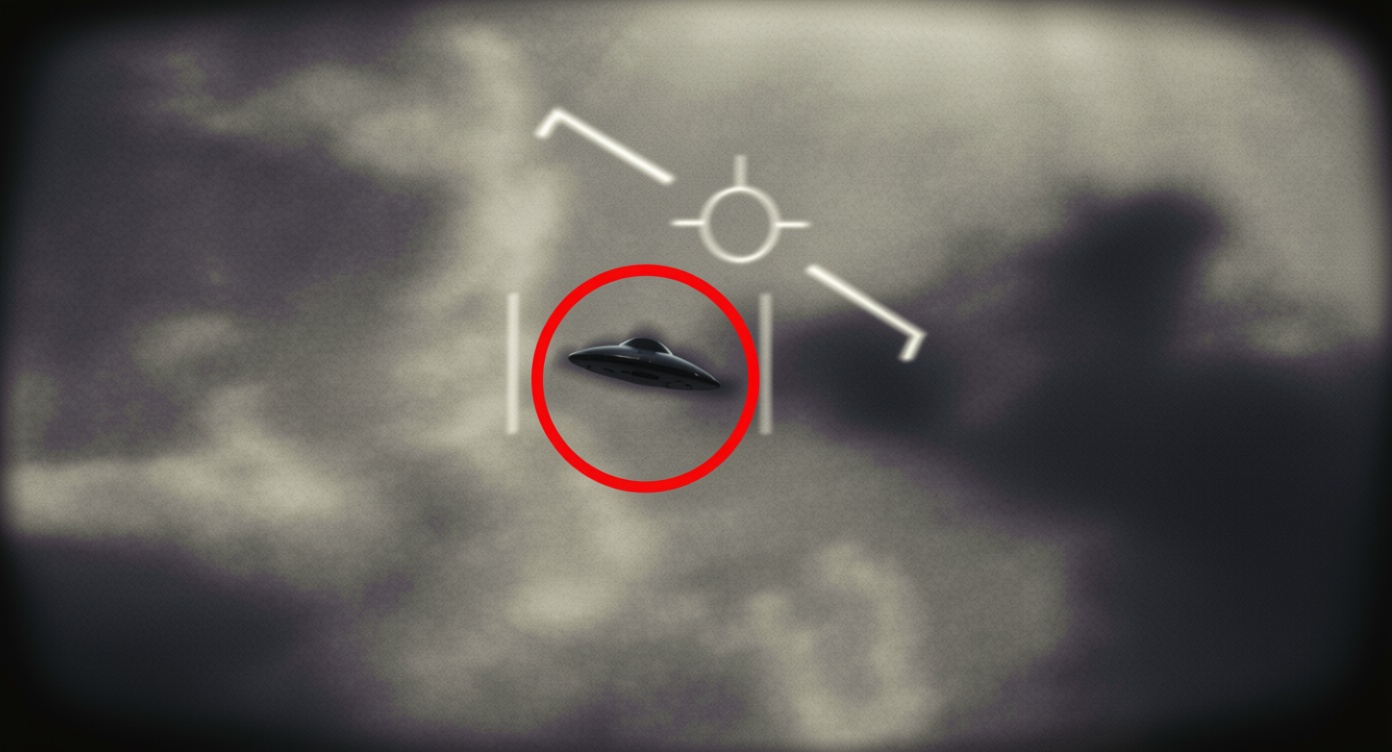
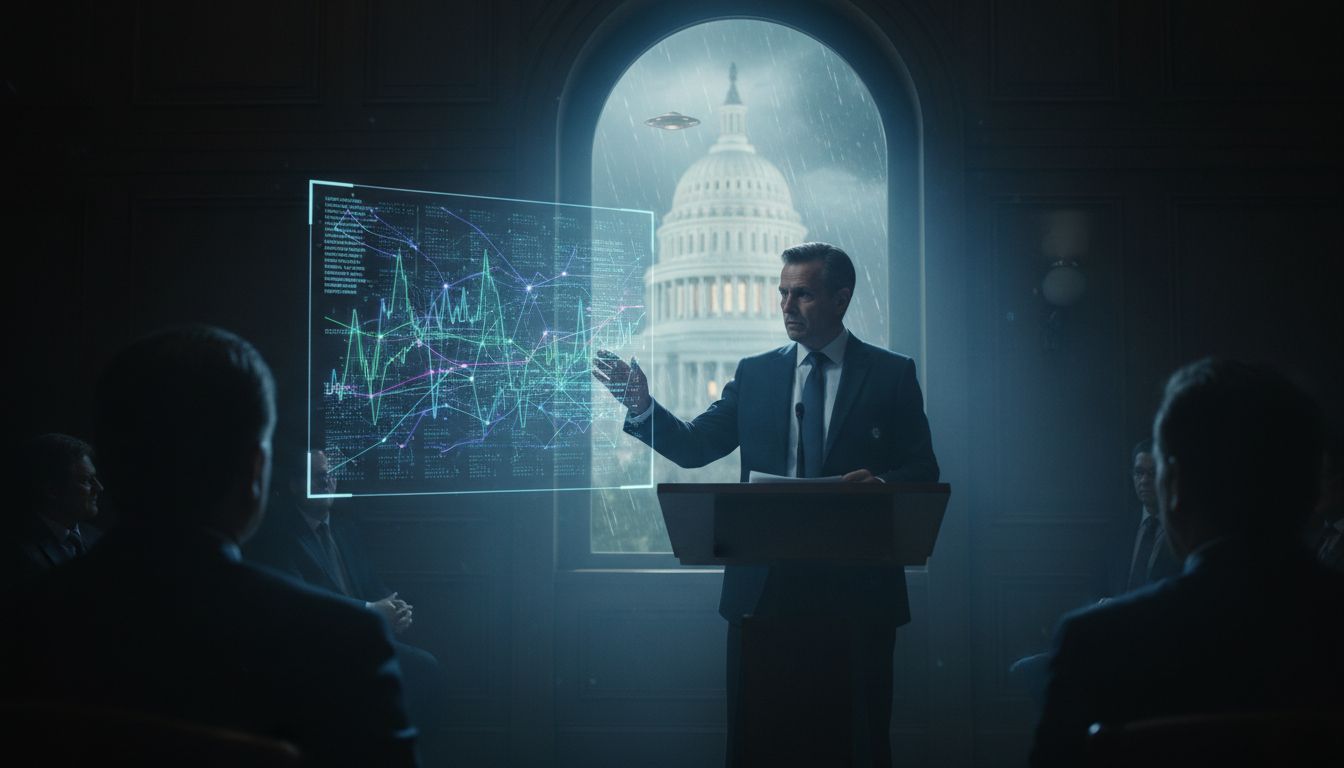
A new round of controversy is building in Washington after UAP whistleblower David Grusch alleged that billions of dollars in secret spending have been hidden from Congress as part of a long-running cover-up tied to unidentified aerial phenomena investigations. The claims, highlighted by Fox News, come as lawmakers on both sides of the aisle continue to press for greater transparency around the federal government’s handling of UAP-related programs and classified budget lines.
The allegations have reignited a familiar debate: whether Congress has been fully informed about how much money is being spent on classified projects connected to UAP research, recovery efforts, or other undisclosed national security activities. While Grusch’s assertions have drawn significant attention, no public evidence has been released to independently verify the specific spending claims, and the broader controversy remains entangled in secrecy, compartmentalized programs, and competing demands for disclosure.
What Grusch Is Alleging
At the center of the dispute is the claim that large sums of taxpayer money have been funneled into programs that were not properly disclosed to Congress. According to the framing of the Fox News report, Grusch argues that these hidden expenditures are part of a broader system that has kept lawmakers in the dark for years. His accusations add a financial dimension to an already sensitive issue, shifting the conversation from sightings and testimony to the harder question of oversight and accountability.
That shift matters in Washington. If spending was concealed from the legislative branch, it would raise serious questions about whether existing oversight mechanisms are adequate to monitor classified programs. Even supporters of stronger disclosure acknowledge that proving such claims is difficult because the very programs under scrutiny are often shielded by secrecy rules, restricted access, and narrow reporting structures. For that reason, the allegations are likely to face intense scrutiny from both skeptical lawmakers and officials responsible for classified budgets.
Pressure Mounts on Congress
The disclosure debate has been intensifying for months, with lawmakers increasingly vocal about the need for clearer answers. Some members of Congress have sought hearings, document access, and new protections for whistleblowers who claim they can shed light on hidden programs. The central concern is not only whether UAP-related activity exists inside government, but whether the public’s representatives were denied the information needed to oversee it properly.
Experts say that, if even part of Grusch’s allegations were borne out, the implications would extend well beyond the UAP issue itself. It could expose major gaps in government oversight, particularly within the complex ecosystem of black budgets, special access programs, and national security exemptions. Those gaps have long been a source of frustration for transparency advocates, who argue that secrecy can persist for years without meaningful review unless insiders come forward.
What Comes Next
For now, the claims remain allegations, but they are likely to keep fueling debate in Congress and among UAP researchers, defense analysts, and watchdog groups. Lawmakers who want answers are expected to continue pushing for declassification, hearings, and access to budget records that could either substantiate or challenge the whistleblower’s account. At the same time, skeptics will likely demand stronger evidence before accepting that billions were hidden deliberately.
What is clear is that the issue has moved beyond fringe speculation. The question now is not only whether unidentified aerial phenomena deserve further investigation, but whether the federal government has been transparent about the money spent in their name.