Overview
A UFO whistleblower is claiming that the federal government is in possession of the remains of four different types of dead aliens, according to a report from NewsNation published Aug. 18, 2026. The allegation is the latest in a long-running public debate over whether the U.S. government has recovered evidence of nonhuman life connected to unidentified anomalous phenomena, or UAPs, the term now commonly used in place of UFOs. While the claim is likely to draw intense attention from believers and skeptics alike, the reporting available so far does not include publicly released evidence verifying the assertion.
The headline claim adds to a broader atmosphere of heightened scrutiny surrounding government transparency on UAPs. In recent years, members of Congress, former intelligence officials, and military witnesses have pushed for more disclosure about what the government may know regarding unexplained aerial encounters. That push has helped move the subject from the margins of pop culture into a more formal policy conversation, even as officials have repeatedly said that many reported incidents remain unresolved rather than conclusively extraterrestrial.
What the whistleblower is alleging
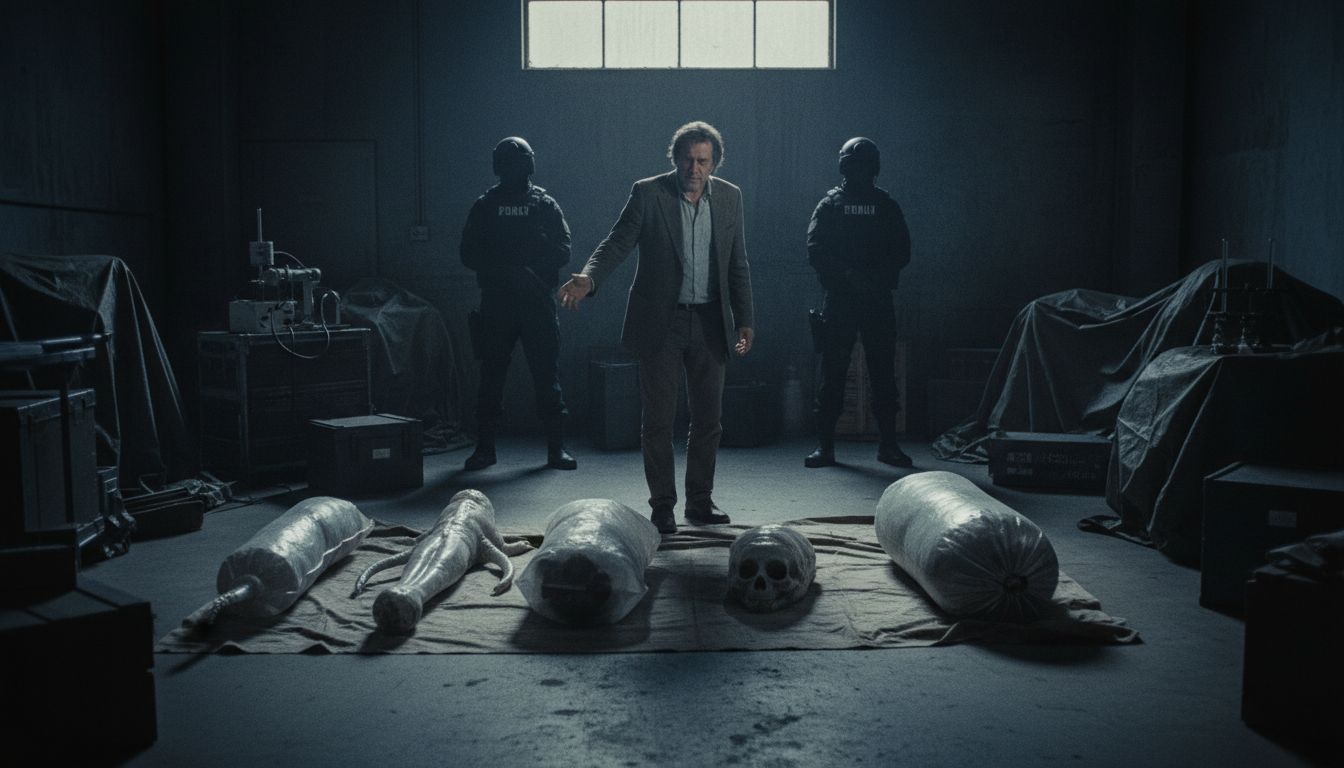
According to the NewsNation report, the whistleblower says federal authorities are “sitting on” the remains of four types of dead aliens. The allegation implies not just isolated rumors of recovered material, but a broader claim that the government has preserved biological evidence from multiple nonhuman beings. That distinction is significant, because it would suggest a level of confirmed contact far beyond what has ever been publicly established by U.S. officials.
At the same time, the available source material does not show the underlying evidence, documentation, or chain of custody supporting the claim. In UAP reporting, that absence matters. Assertions about recovered bodies or biological remains are among the most extraordinary claims in the field, and they typically invite immediate demands for physical proof, corroborating witnesses, or declassified records. Without those, the allegation remains just that: a claim.
Why the report matters
Even without independent verification, allegations like this continue to resonate because they tap into a deeper public frustration over secrecy. Many Americans believe the government has not fully explained what it knows about UAP incidents, particularly after a string of official acknowledgments that some military and pilot sightings remain unexplained. For supporters of greater disclosure, a whistleblower claiming knowledge of alien remains reinforces the argument that there may be information withheld from the public.
For skeptics, however, the story underscores a familiar challenge in the UAP arena: dramatic claims often outpace evidence. Experts who study the issue routinely caution that unexplained does not mean extraterrestrial, and that anecdotal testimony—no matter how compelling—cannot replace verifiable documentation. That tension has become central to the broader debate, with lawmakers seeking accountability while scientists and defense analysts continue to press for rigorous standards of proof.
The larger UAP landscape
The latest allegation arrives at a moment when UAP discussions remain unusually prominent in Washington and in the media. Congressional hearings, military videos, and whistleblower testimony have helped sustain interest, while also creating a space in which extraordinary claims can circulate quickly. NewsNation’s report reflects how the topic continues to bridge national security, science, and public curiosity.
For now, the claim that the federal government is holding the remains of four alien types should be viewed as unverified. But its significance lies less in what has been proven than in what it reveals about the enduring demand for answers. Until more evidence is made public, the story will remain part of a larger—and still unresolved—conversation about whether humanity is alone.