Overview
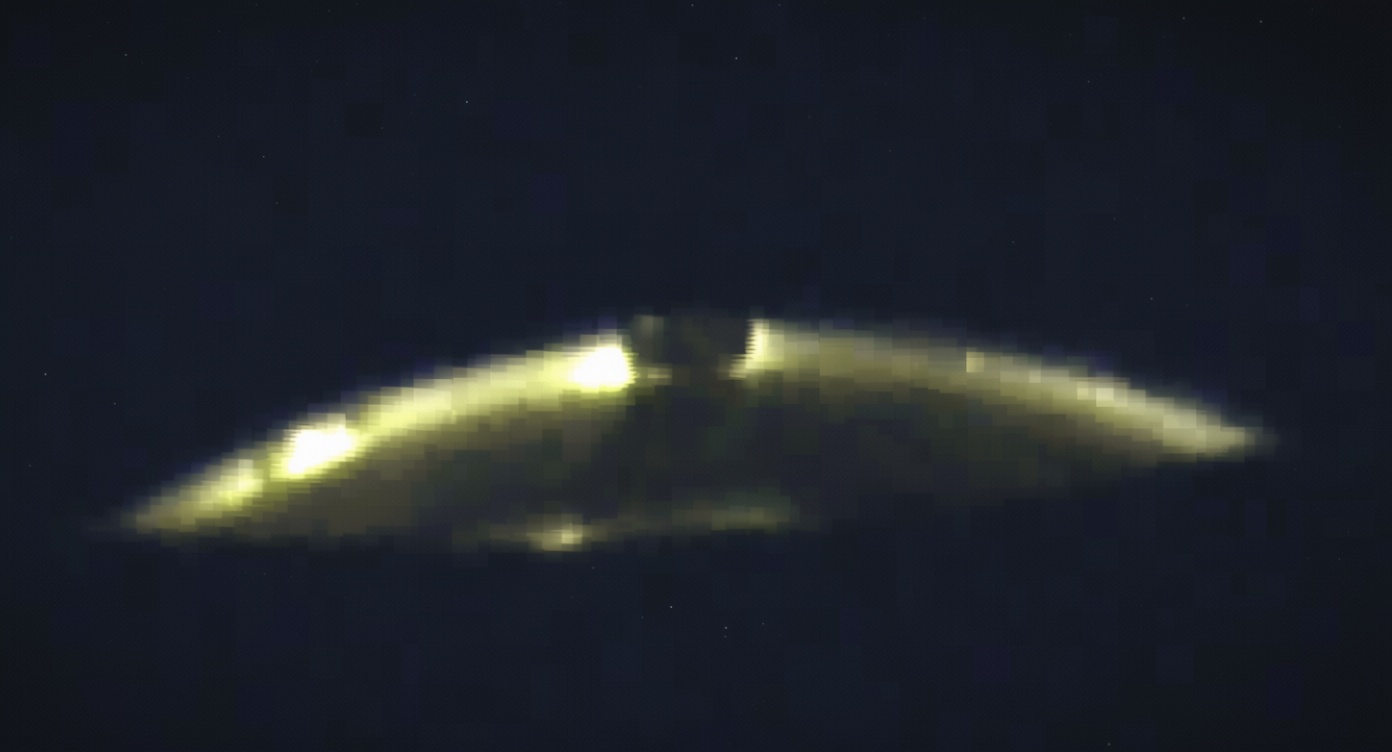
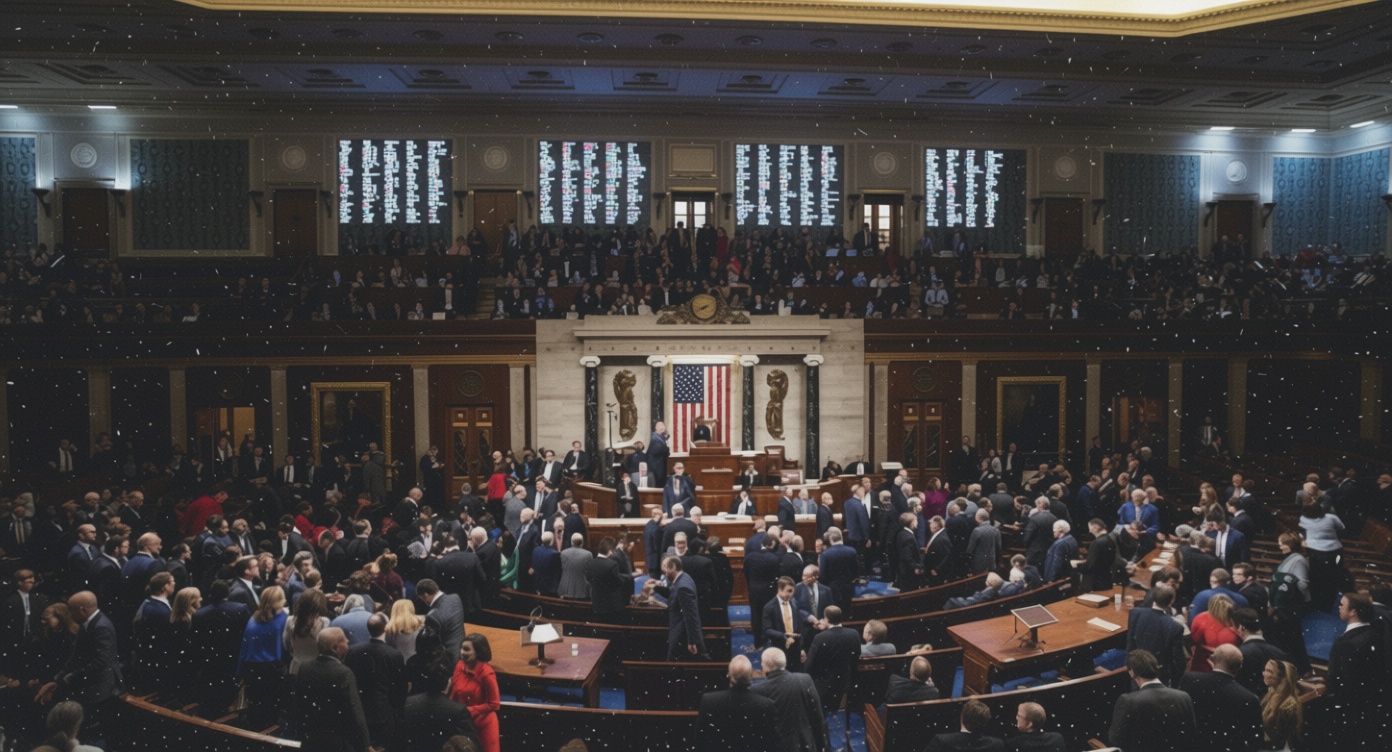
U.S. lawmakers have reportedly received a classified briefing on UFOs and UAPs, according to reports, with the discussion also touching on possible foreign threats. The session underscores how unidentified aerial phenomena have moved from the margins of public debate into the center of national security and intelligence concerns in Washington. While the contents of the briefing were not publicly disclosed, the fact that members of Congress were brought into a classified setting reflects the seriousness with which the issue is now being treated.
What the Briefing Signaled
The closed-door meeting appears to have been part of an ongoing effort by lawmakers to better understand what the government knows about unexplained aerial incidents. In recent years, congressional scrutiny of UAPs has intensified, driven by concerns that some reports could involve advanced foreign surveillance technology, airborne incursions, or other security risks. The inclusion of “potential foreign threats” in the discussion suggests that lawmakers were not only briefed on unexplained sightings, but also on whether adversarial states may be using sophisticated platforms that could be misidentified as anomalous phenomena.
Growing Congressional Concern
The briefing reflects a broader shift in Washington, where UAPs are no longer viewed solely as a cultural curiosity. Instead, they are increasingly framed as a defense and intelligence issue that may intersect with airspace safety, military readiness, and the protection of sensitive installations. Congress has pressed the Pentagon and intelligence agencies for more transparency, while also demanding better reporting systems for pilots and service members who encounter unidentified objects. The classified nature of the briefing indicates that some aspects of the government’s assessment remain too sensitive for public release, likely because they may involve surveillance capabilities, collection methods, or unresolved questions about attribution.
National Security and Public Transparency
At the same time, the secrecy surrounding such briefings can fuel public speculation and frustration. Lawmakers have repeatedly called for a balance between protecting classified sources and methods and providing the public with enough information to understand what authorities are seeing in the skies. The challenge for officials is to separate credible security concerns from speculation, while making sure that genuine threats are not overlooked. For now, the latest briefing appears to be another sign that UAPs are being treated as a matter of serious policy relevance, rather than simply a topic for fringe discussion.
What Comes Next
Although the exact details of the session remain undisclosed, the briefing is likely to contribute to continued congressional attention on the issue in the months ahead. Lawmakers are expected to keep pushing for clearer assessments, better data collection, and more regular reporting from defense agencies. Whether the phenomena in question turn out to be foreign technology, sensor errors, or something still unexplained, the political message is clear: Washington now sees UAPs as a legitimate national security matter that demands sustained oversight.