Overview
A newly surfaced U.S. Coast Guard infrared video tied to a 2024 incident near Tyndall has entered the growing public archive of UAP-related material, adding another data point to the wider disclosure debate. The file, cataloged as DOW-UAP-PR066 and released on May 22, 2026, is labeled “USCG C-144 Tyndall UAP 1 TIC TAC IR hot 24 April 2024” and runs just 48 seconds. According to the accompanying documentation, the clip is assessed as likely originating from an infrared sensor aboard a U.S. Coast Guard C-144 platform operating in the Southeastern United States in 2024.
The material was surfaced in the context of a broader records review after eight members of the U.S. House of Representatives requested access to 51 potentially UAP-related records held by the Department of War and the Intelligence Community on March 6, 2026. AARO, which identified responsive items on a classified network, noted that many of the records lacked a substantiated chain of custody, a point that remains central to any serious assessment of the footage’s evidentiary value.
What the footage shows
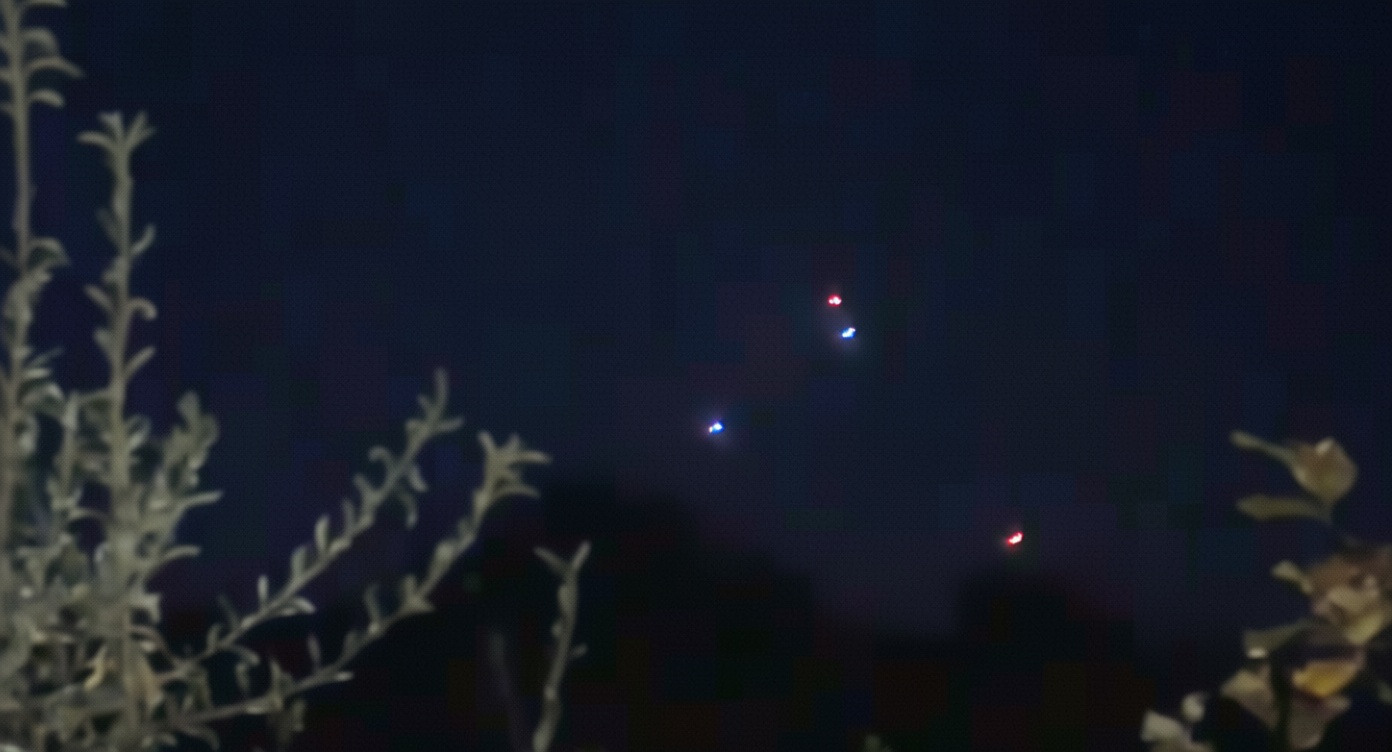
The documentation does not identify the object in the video, but it describes two areas of contrast that stand out in the infrared imagery. From 00:09 to 00:15, one contrast feature appears from the upper right and exits the frame to the left, while the sensor reportedly does not pan to follow it. Later, from 00:33 to 00:48, another contrast area enters from the lower right; this time the sensor pans left in an apparent attempt to track it, but is unable to keep pace.
The uploader-defined title’s reference to “TIC TAC” is notable because that term has become shorthand in UAP discussions for elongated, capsule-like objects seen in infrared footage. Still, the official description stops well short of endorsing that interpretation. Instead, it presents the clip as an infrared recording containing unresolved points of contrast, not as proof of a particular craft or anomaly.
Official caution and limitations
AARO is careful to state that its summary is informational only and should not be read as an analytical judgment, investigative conclusion, or factual determination about the event’s validity, nature, or significance. That language underscores a recurring challenge in UAP reporting: footage may be genuine, but without complete metadata, corroborating sensors, or a confirmed chain of custody, the underlying event remains difficult to verify.
The release also illustrates the distinction between public interest and evidentiary certainty. Even when an incident appears in an official-style repository, the presence of a video does not automatically establish that it shows an extraordinary object. In this case, the description points to an infrared sensor aboard a Coast Guard aircraft or platform, but does not resolve whether the contrast features were atmospheric, technological, or something else entirely.
Broader significance
Still, the document is significant because it shows how UAP records are increasingly being processed through formal government channels rather than dismissed outright. As congressional scrutiny continues and agencies expand archival reviews, cases like the Tyndall-area clip are likely to remain central to the public discussion: not because they settle the issue, but because they highlight the gap between available imagery and definitive interpretation.
For researchers and lawmakers alike, the takeaway is cautious but important. The video adds to an expanding set of official and semi-official disclosures, yet its value lies less in answering the UAP question than in demonstrating how much context is still missing when unusual aerial observations are recorded, retained, and later examined.