Overview
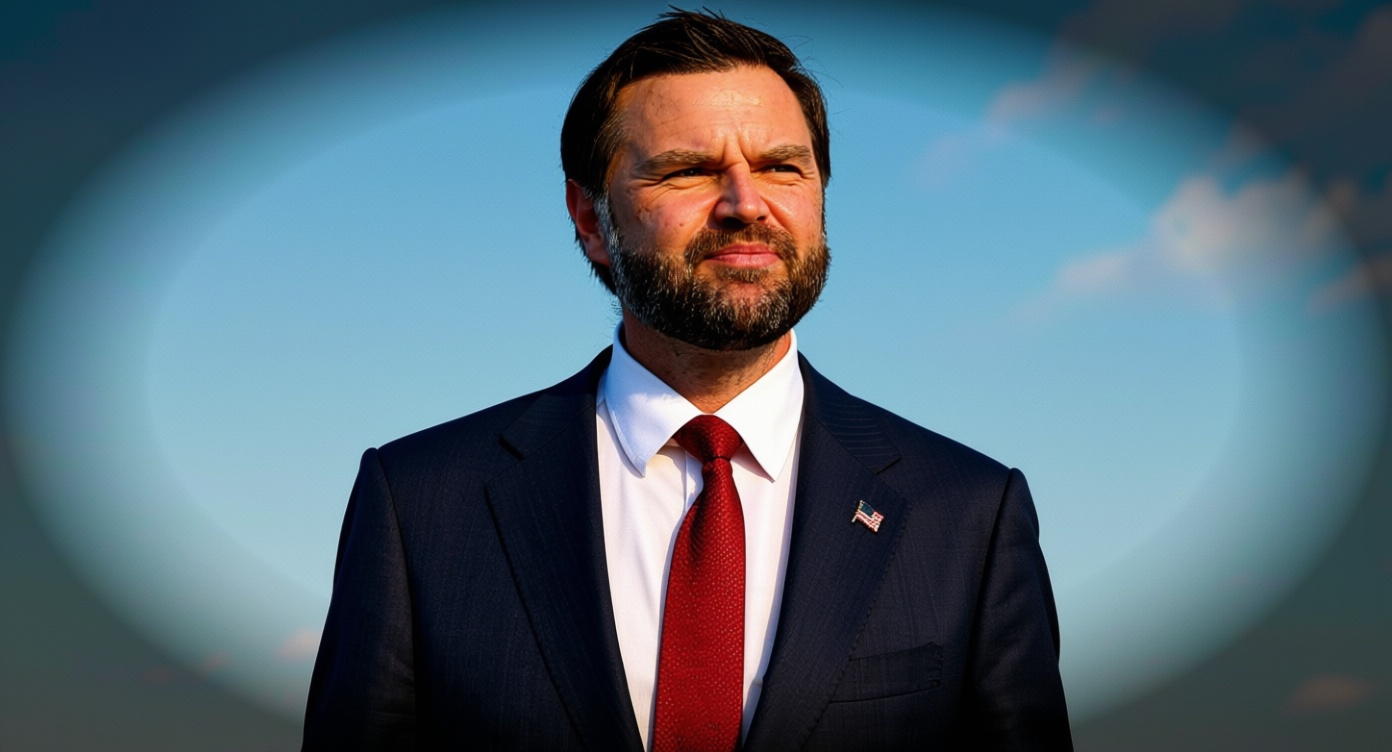
Vice President J.D. Vance said he remains skeptical about UFOs and UFO-related claims during an appearance on Joe Rogan’s podcast, adding a notable political voice to the ongoing national conversation over unidentified anomalous phenomena, or UAPs. Vance’s comments were measured rather than dismissive, signaling that he is open to hearing more but is not prepared to accept extraordinary claims without stronger proof.
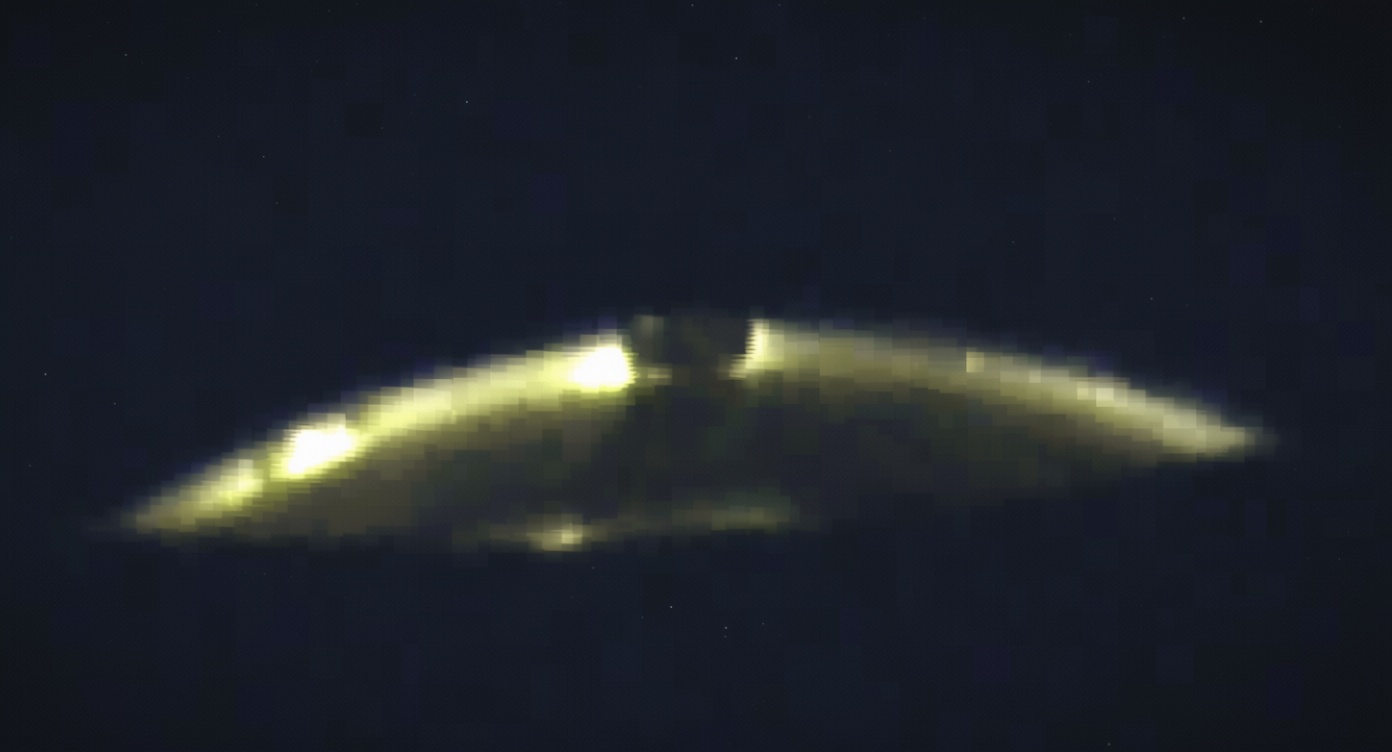
His remarks come at a time when public interest in UAPs remains high, fueled by congressional hearings, military testimony, and renewed scrutiny of government transparency. In that broader context, Vance’s stance underscores a familiar divide: some view unexplained sightings and reports as evidence that something significant is being concealed or misunderstood, while others say the available information still falls far short of proving anything extraterrestrial or exotic.
Key Details
On Rogan’s widely followed show, Vance framed his position around evidence, indicating that he wants to see more before changing his mind. That approach places him among the many public figures who are intrigued by the subject but hesitant to draw conclusions from anecdotal reports alone. Skepticism, in this case, does not appear to mean outright dismissal; rather, it reflects a demand for verifiable documentation before embracing claims that go beyond established explanations.
The exchange is significant in part because Rogan’s podcast has become a major platform for discussions of UAPs, government secrecy, and unexplained encounters. Guests on the show often range from scientists and journalists to former military personnel and whistleblowers, making it a frequent stop for audiences interested in the UFO debate. Vance’s participation in that environment gives his comments added visibility, especially among listeners who may be looking for clues about how influential political figures view the issue.
Broader Context
Vance’s comments also arrive amid a broader debate over how governments should handle UAP reports. Supporters of greater transparency argue that unexplained sightings deserve serious investigation and public disclosure, especially when military pilots and trained observers are involved. Skeptics counter that most cases eventually turn out to be misidentifications, sensor errors, or incomplete data, and they warn against stretching weak evidence into dramatic conclusions.
By emphasizing the need for more proof, Vance aligned himself with a cautious, evidence-first approach that is common in official circles even as public curiosity grows. His remarks are unlikely to settle the UFO debate, but they do reflect how the topic has moved from the margins of pop culture into mainstream political discussion. For now, the vice president’s message was straightforward: extraordinary claims require extraordinary evidence.