Overview
A discussion attributed to Tyler Engle has drawn attention to “votive cones” and their possible significance for interpreting megalithic structures. The subject is potentially relevant to archaeology because the purpose of many large prehistoric stone monuments remains debated, particularly where written records, inscriptions or clear domestic functions are absent. However, the available source material provides only a broad description of the topic and does not present a detailed argument, excavation report or archaeological conclusion.
The supplied information identifies Engle as a musician, researcher, author and host of the “BassForge” YouTube channel. It links the discussion to The Joe Rogan Experience, listed as episode No. 2558 on Spotify. The episode description identifies Engle in those terms but does not summarize his claims about votive cones, identify specific sites or explain how the objects might relate to megalithic construction.
What Are Votive Cones?
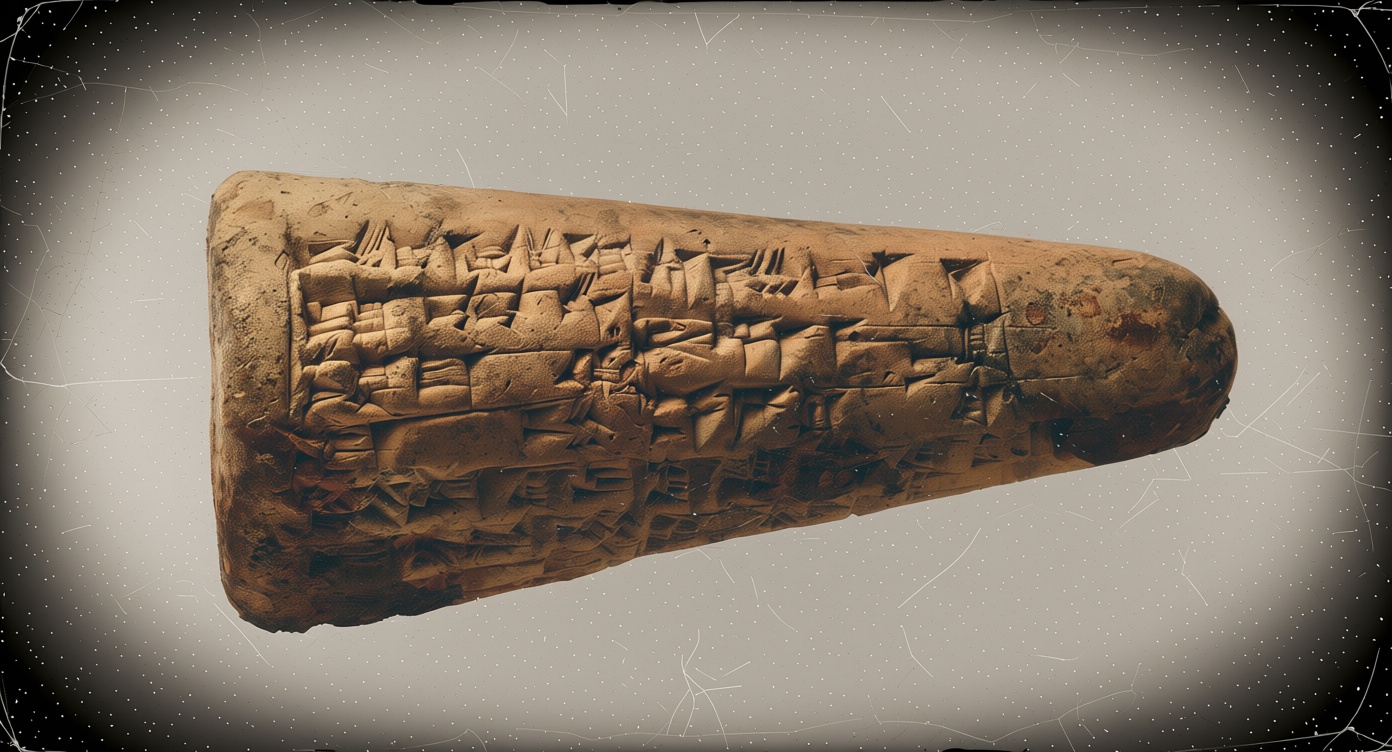
In archaeological contexts, the term votive cone generally refers to a small cone-shaped object deposited, dedicated or incorporated into a sacred or ceremonial setting. The best-known examples come from the ancient Near East, where clay cones were sometimes inscribed or used as architectural elements. Their functions could include commemorating construction, honoring a deity or symbolically dedicating a building.
That established background does not, by itself, demonstrate a connection with megalithic structures. Megaliths—large stones arranged or erected by human communities—were built across different regions and periods for varied purposes, including burial, ritual activity, territorial marking and astronomical observation. Any proposed relationship between cones and megaliths would therefore require secure dating, documented archaeological context and evidence that the objects were deposited by the same builders or cultural tradition.
Evidence Available From the Source
The source content is primarily a Spotify metadata page rather than a transcript or research paper. It contains promotional material for Engle’s online work and extensive descriptions of other programs, sponsors and unrelated guests. It does not quote Engle discussing votive cones, provide measurements or imagery, cite archaeological literature, or name particular megalithic sites.
As a result, the material cannot establish whether Engle is proposing that cones served a practical, symbolic or ceremonial role. Nor does it indicate whether his observations are based on fieldwork, museum collections, published studies or comparative interpretation. No independent expert response or comment-based analysis is included, making it impossible to assess the proposal’s scholarly reception from the supplied material.
Archaeological Significance
The question could nevertheless be useful if approached as a testable archaeological hypothesis. Researchers would need to determine whether cone-shaped artifacts occur repeatedly at megalithic sites, whether they are found in original layers rather than later deposits, and whether their composition and manufacture match the communities responsible for the monuments. Chemical analysis, microscopic examination, radiocarbon dating of associated organic material and comparison with regional artifacts could help establish provenance and age.
No UFO or Paranormal Connection
Although megalithic monuments are sometimes discussed in UFO or “ancient mystery” narratives, the supplied information makes no connection between Engle’s topic and extraterrestrial, paranormal or supernatural explanations. The available evidence supports describing the subject as an archaeological question about artifacts and monumental architecture—not as evidence of nonhuman intervention. Further conclusions would require access to the full episode, specific examples and corroborating archaeological data.