Overview
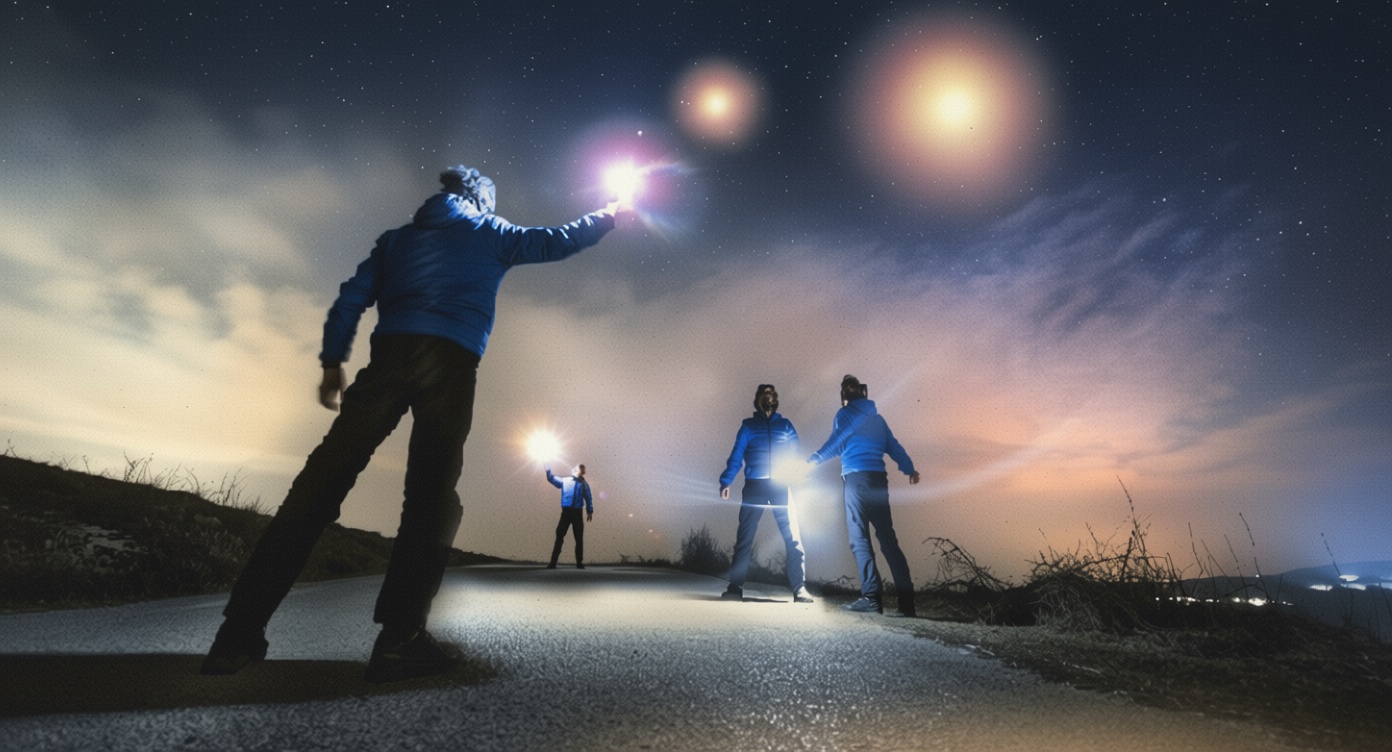
For centuries, people have looked to the night sky and asked whether they are alone. Long before the modern language of UFOs and UAPs, unusual sights were being woven into religious and cultural interpretations: in 749 AD, one Irish chronicle described “ships” and crews sailing across the sky above Clonmacnoise Monastery. Today, those same questions persist in a more scientific age. A 2025 YouGov poll cited by BBC Bitesize found that three-quarters of Britons believe intelligent alien life exists somewhere in the universe, while 32% think it has already visited Earth.
What a UFO actually means
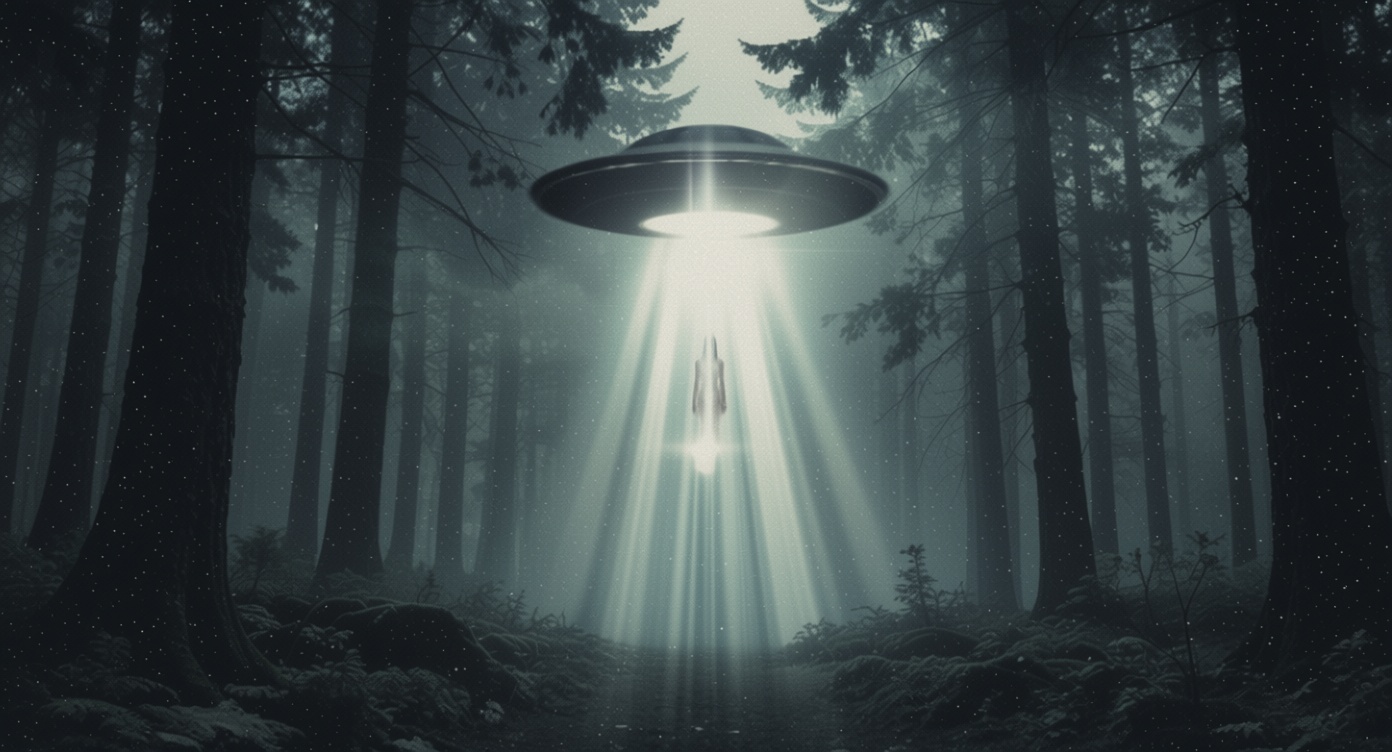
Despite its association with flying saucers and science fiction, a UFO is simply an “Unidentified Flying Object” — any airborne object or light that an observer cannot explain at the time. That does not mean it is alien in origin. In many cases, UFO reports turn out to be ordinary events seen under unusual conditions: aircraft, weather phenomena, balloons, satellites, or optical illusions. The distinction matters because unidentified is not the same as extraterrestrial. BBC Bitesize notes that this confusion has helped fuel decades of public fascination, but also underscores why careful investigation is essential before drawing conclusions.
Why UFOs became a modern obsession
Public interest in UFOs surged after the Second World War, when rocket technology advanced rapidly and the Space Race intensified Cold War rivalry between the United States and the Soviet Union. By the mid-1950s, skies were busier than ever with jet aircraft, radar systems, missiles, and experimental military technology, making unfamiliar lights and shapes more likely to be noticed — and feared. In an era shaped by nuclear anxiety, unexplained objects were often interpreted through a security lens, as possible foreign aircraft or secret weapons. That mix of technological change and geopolitical tension helped turn UFOs into a lasting cultural phenomenon.
From UFO to UAP
In recent years, official bodies have increasingly adopted the term UAP, meaning “Unidentified Aerial Phenomenon” or “Unidentified Anomalous Phenomenon.” NASA and other agencies have used the newer label to reduce the science-fiction baggage attached to “UFO” and encourage more objective analysis. The shift, officially adopted in 2020, reflects a broader attempt to treat unexplained sightings as a research question rather than a joke or a certainty about aliens. The term “anomalous” also widens the scope beyond the sky, allowing researchers to consider unusual phenomena in air, water, and space.
The sightings that still capture attention
Among the most famous cases are Roswell in 1947, where a crash in New Mexico became one of the most enduring UFO stories in history, and the Rendlesham Forest incident in 1980, often described as Britain’s best-known UFO case. The Phoenix Lights of 1997, witnessed by thousands in Arizona, remain one of the largest mass sightings ever reported. More recently, the Tic Tac encounter involving U.S. Navy pilots off the California coast in 2004 renewed debate about unexplained aerial objects and military surveillance. What keeps these cases alive is not just the possibility of something extraordinary, but the fact that they sit at the intersection of evidence, uncertainty, and imagination — a combination that continues to draw public attention worldwide.