Overview
In a wide-ranging interview on Tim Ventura Interviews, Emeritus Professor of Psychology Dr. Chris French made the case that many reports of UFO sightings and alien contact can be better understood through the lens of anomalistic psychology — the study of unusual experiences using ordinary psychological explanations. French, a longtime researcher at Goldsmiths, University of London, said the field focuses on how belief, perception, and memory shape the interpretation of strange events, often without requiring a paranormal explanation. The conversation came as public interest in UAPs continues to rise amid congressional hearings, whistleblower claims, and renewed debate over what counts as evidence.
Psychological Explanations for Alien Contact
French argued that people who describe alien encounters are not necessarily dishonest or delusional; rather, they may be experiencing real events that are later interpreted through a distinctive psychological and cultural framework. He pointed to traits often found in “experiencers,” including absorption, dissociation, fantasy proneness, and a tendency to hallucinate, as factors that may make extraordinary interpretations more likely. French also discussed his own intellectual path, noting that he moved from youthful belief in UFOs and the paranormal toward skepticism after reading psychologist James Alcock, whose work challenged claims of supernatural phenomena.
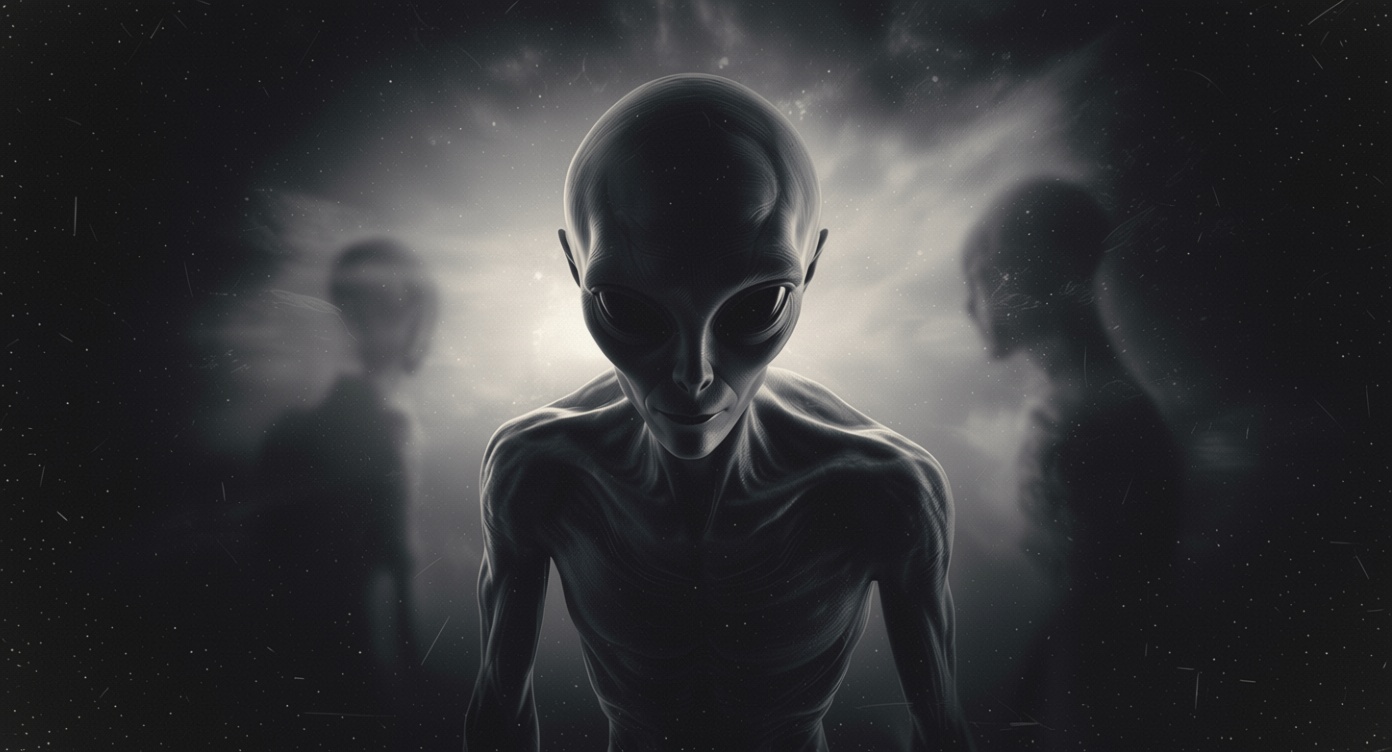
A major focus of the interview was sleep paralysis, which French described as a well-established biological state in which a person is caught between waking and dreaming. In that vulnerable moment, some people report a sensed presence, pressure on the body, or even figures resembling aliens or intruders. He stressed that these experiences are widely reported across cultures, but their interpretation changes depending on local belief systems. In medieval Europe, he said, similar episodes were often blamed on incubi or succubi, while in modern Western culture they are frequently described as alien abductions.
Memory, False Recall, and the Problem of Hypnosis
French also emphasized that human memory is not a recording device but a reconstructive process prone to distortion. That point was central to his criticism of hypnosis as a tool for recovering supposed abduction memories. According to French, hypnosis can create “a perfect context for the formation of false memories” because participants may unconsciously generate narratives they believe are expected of them. He warned that sincere people can become convinced of events that never occurred, especially when guided by suggestion, expectation, or repeated retelling.
He referenced his 2008 paper, Psychological Aspects of the Alien Contact Experience, in which he used the term “experiencer” rather than “abductee” to maintain neutrality and avoid dismissing participants. The discussion also touched on memory research by Richard McNally and Susan Clancy, whose Harvard studies found greater susceptibility to false memories among some abductees, though French noted that his own replication did not produce a significant difference. That discrepancy, he suggested, points to a more complicated relationship between memory errors and extraordinary belief than some advocates assume.
UAP Debate and the Limits of Current Evidence
The interview also placed French’s comments within the larger UAP debate, where figures such as Avi Loeb and Michael Shermer represent sharply different approaches to the subject. French said he remains open to the possibility of extraterrestrial life, but he is unconvinced that current claims of visitation are supported by hard evidence. He described much of the material circulating in disclosure conversations as “hearsay” rather than physical proof. That skepticism, he argued, is consistent with broader lessons from psychology: people can be deeply sincere and still be mistaken, especially when top-down processing — where expectations shape perception — fills in gaps in ambiguous experiences.