Overview
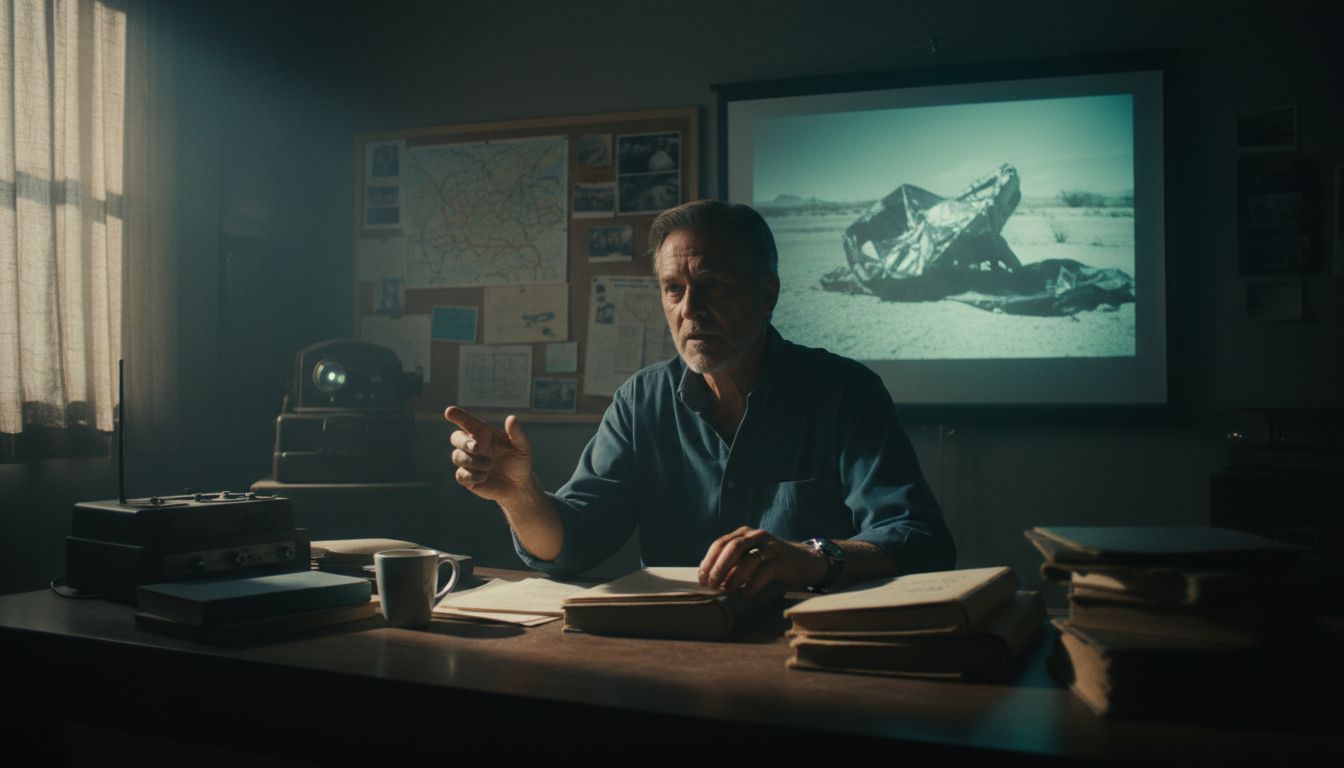
Veteran UFO investigator Don Schmitt, renowned for his decades-long dedication to the study of unidentified aerial phenomena, recently discussed the enduring mysteries surrounding aliens, UFOs, and the infamous Roswell incident. Speaking from his position as the lead investigator at the International UFO Museum and Research Center in Roswell, New Mexico, Schmitt addressed both the known facts and the persistent uncertainties that continue to intrigue the public and confound researchers.
Schmitt, a best-selling author and respected figure in the field, has spent over 30 years pursuing the truth behind one of the most famous alleged UFO crashes in history. His work has inspired films, television series, and numerous books, including “UFO Crash at Roswell” and “Witness to Roswell,” the latter of which became the top-selling UFO book worldwide for two years.
The Roswell Legacy: Facts and Frustrations
According to Schmitt, the Roswell incident remains unique among UFO cases because it offers more than mere speculation. “We’re not just speculating as to what is out there—we’re able to say, well, it was recovered. It’s presently in possession of the authorities,” he emphasized during the interview. However, he pointed out that access to definitive physical evidence remains elusive, largely due to the shifting custody of recovered materials from government agencies to the military-industrial complex.
“They’re not subject to Freedom of Information Act requests,” Schmitt explained, lamenting that such entities are not legally obliged to disclose their activities or findings. This ongoing secrecy, he argued, prevents independent verification and hinders meaningful progress toward public disclosure.
Skepticism and Scientific Rigor
Throughout his career, Schmitt has maintained a commitment to scientific integrity and skepticism. “Your dedication to truth and science, and not to myth or magic or sensationalism, is paramount,” noted the interviewer, who has known Schmitt for over three decades. Schmitt himself acknowledged his initial skepticism and stressed the importance of tangible, testable evidence. He cautioned against relying on anecdotal claims or unsubstantiated abilities, emphasizing the need for material proof that could stand up to peer review and public scrutiny.
“It’s going to require physical evidence—something that we could call a press conference and demonstrate, ‘Ladies and gentlemen, we have the definitive answer once and for all,’” Schmitt asserted. He remains steadfast in seeking documentation and objects that could conclusively resolve the debate over the Roswell incident and the broader UFO phenomenon.
The Paradox of Disclosure
Schmitt also highlighted the irony inherent in the quest for governmental disclosure. “The very arbiters of this going on eight-decade cover-up are the very people that we would be reliant on for disclosure,” he observed. This paradox, he said, leads to frustration within the research community and skepticism among the public. Even if official files were released, Schmitt questioned whether people would trust the information provided, given the history of obfuscation and selective disclosure.
Despite these challenges, Schmitt and his colleagues continue their efforts to piece together the truth, working with both military and civilian sources. He described their mission as a responsibility to humanity, stating, “Anyone that sets themselves above the world as to the truth—I take personal umbrage with.”
Looking Ahead
With nearly 80 years having passed since the Roswell event, Schmitt’s work underscores the enduring complexity of UFO research. His methodical, evidence-based approach seeks to bridge the gap between speculation and certainty, even as obstacles to transparency persist. As he and his team press forward, the public remains captivated by the question: will definitive evidence of extraterrestrial contact ever emerge from the shadows of secrecy?


