Overview
A recent broadcast by the astronomy and space science channel Galeria do Meteorito revisited a set of claims spanning Mars imagery, UFO sightings, exoplanet discovery and solar activity, framing them as part of a broader case for closer scrutiny of unexplained phenomena. Hosted by Richard and Cris, the program argues that multiple lines of evidence — from planetary images to witness videos and political testimony — deserve more scientific attention. While the presentation is clearly speculative in places, it highlights how anomalies in space imagery continue to attract interest from independent researchers and online investigators.
Mars Image Sparks Debate
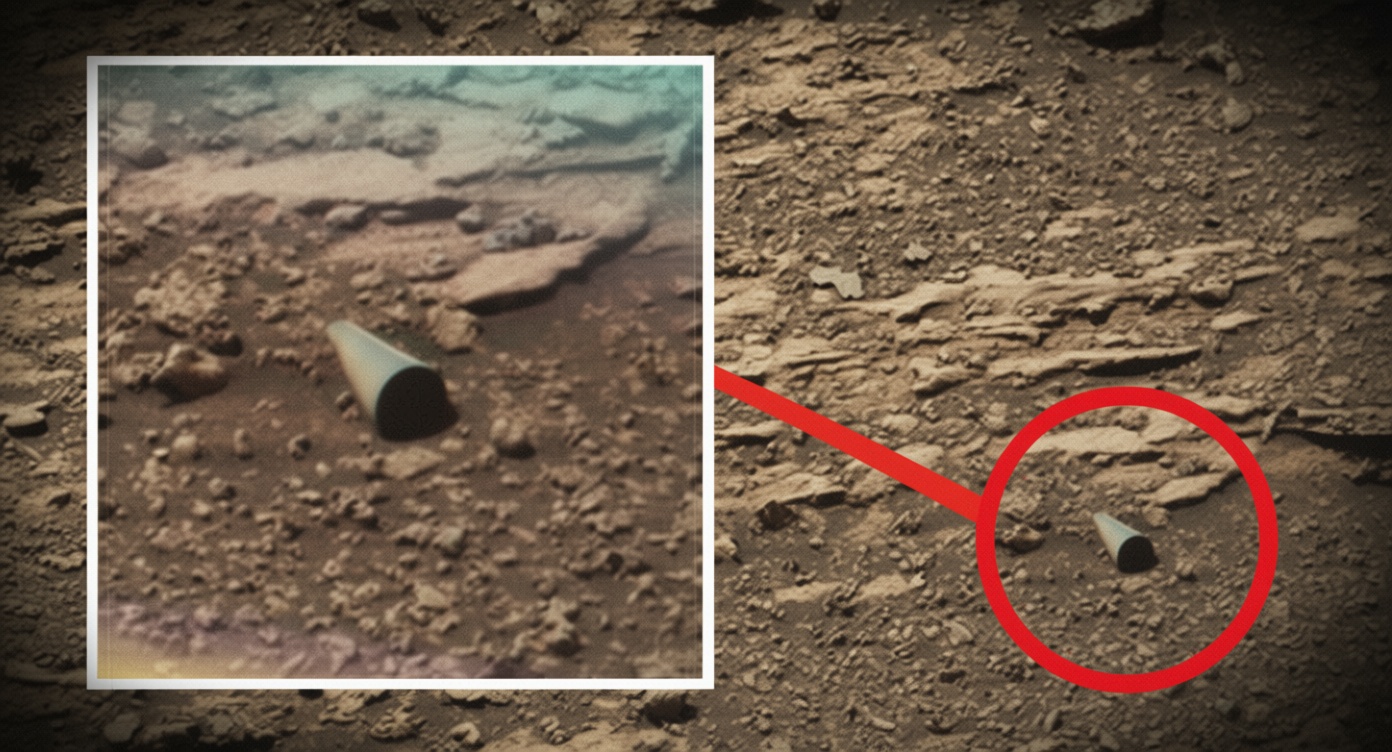
The video’s main focus is a NASA Curiosity rover image from Sol 729, captured on August 25, 2014, in the Gale Crater region. The hosts and several independent researchers, including Thomas Mickey Jensen, Brian Cory Dobbs, and Jean Ward, say the image shows a symmetrical, circular object that resembles a pair of wheel-like components with a central axle. Using AI-assisted enhancement tools, specifically Topaz Labs’ GigaPixel deconvolution software, the broadcasters claim the object appears to include a “releasing mechanism” similar to hardware used in aerospace robotics.
The interpretation remains highly contested. Supporters of the anomaly hypothesis argue that the surrounding terrain appears too rough for a rover-related part to have been discarded there, suggesting the object may not be debris from a human mission. Others would likely caution that low-resolution imagery, shadows, compression artifacts and pareidolia — the tendency to perceive familiar shapes in ambiguous patterns — can all produce misleading results. NASA has not publicly identified the object as artificial or non-human in origin.
UFO Claims and Disclosure Politics
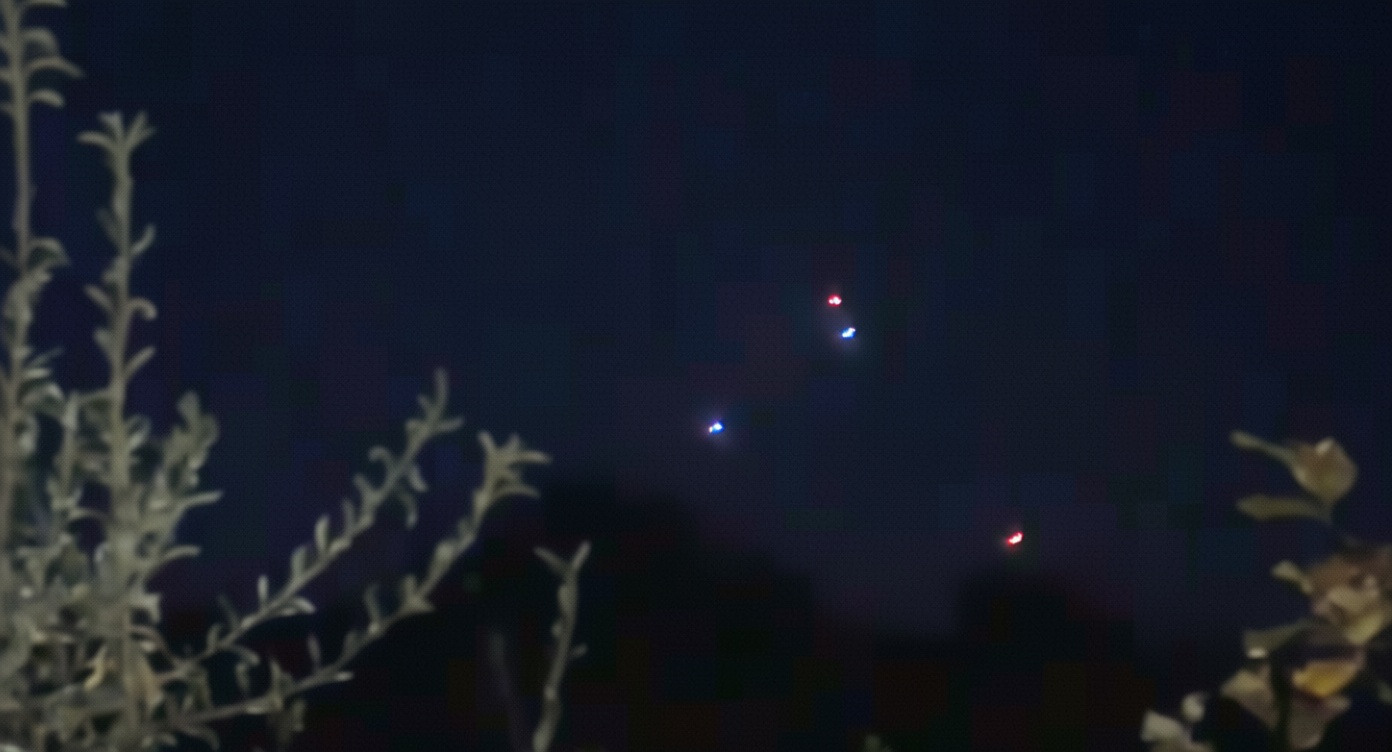
Beyond Mars, the broadcast turned to recent UFO sightings in Mexico, including a recording the program says was made on August 11, 2026, showing two flashing lights, as well as another incident reportedly filmed by a train engineer in San Luis Potosí. The hosts said AI detection tools indicated a “0% chance” that the videos were deepfakes or computer-generated, though such claims depend heavily on the methods and limits of the software being used. No independent verification was presented in the summary.
The program also linked these sightings to the broader political debate over UAP disclosure, citing U.S. Congressman Eric Burlison and former intelligence officer David Grusch. Burlison has previously made public comments suggesting that government agencies have withheld information about non-human intelligence, while Grusch has said he has seen evidence of non-human craft and biological occupants. The show also referenced Avi Loeb, the Harvard astrophysicist who has called for rigorous, evidence-based study of unusual aerial and astronomical claims.
Comets, Exoplanets and the Sun
The broadcast also shifted to astronomy, noting that Comet 220P/McNaught reportedly experienced an outburst, or sudden increase in brightness, and comparing it with other comet imaging examples to explain how luminosity and processing can affect interpretation. It then highlighted the reported discovery of GJ 523 b, a so-called “Mega Earth” detected with the TESS telescope by researchers at the University of Wisconsin-Madison. According to the summary, the planet is about 2.5 times Earth’s size but 23 times more massive, implying an unusually dense, likely metal-rich composition and an orbital period of 17.7 days.
Solar Activity and Earthly Effects
The program concluded with a warning about the Sun, citing a G2-level geomagnetic storm associated with an M-class solar flare from a newly active region. The hosts suggested a possible link between heightened solar activity and a rise in global seismic events, pointing to frequent earthquakes recorded by the USGS over the same period. That connection, however, remains scientifically unresolved; while solar storms can disrupt satellites, communications and power systems, claims that they directly trigger earthquakes are not established consensus. Still, the episode reflects a recurring theme in UAP and space reporting: the attempt to connect disparate anomalies into one larger narrative about emerging threats, hidden information and the need for sustained observation.