Overview
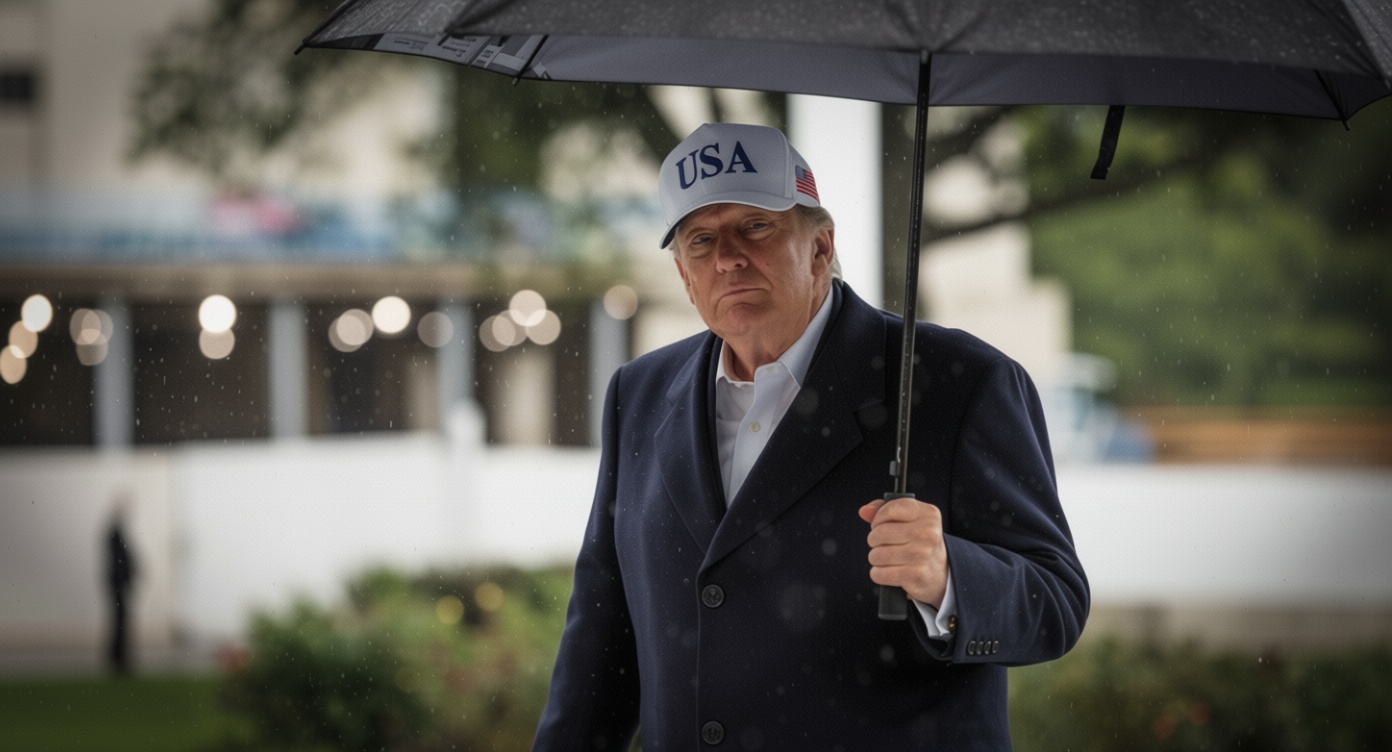
Questions about Donald Trump’s position on unidentified anomalous phenomena (UAP) disclosure are again drawing attention from UFO researchers, according to an article published by AOL on Sept. 27, 2026. The report’s central question is when Trump might “begin to discuss the reality of the situation,” reflecting continued interest among researchers and advocates in whether the former president—or his political organization—intends to address UAPs publicly.
The supplied material, however, does not identify the researchers who raised the questions, provide direct interview excerpts beyond the wording used in the headline, or document a formal statement from Trump. It also contains no specific disclosure policy, executive action, or newly released evidence. As a result, the report is best understood as an account of expectations and unanswered questions rather than confirmation of a change in government policy.
What Remains Unclear
The key uncertainty is whether Trump has adopted a defined position on UAP transparency and, if so, what that position would involve. Disclosure could refer to several different actions, including releasing historical government records, expanding congressional oversight, making additional military sensor data public, or establishing a formal process for investigating unexplained aerial incidents.
Those possibilities are not interchangeable. A presidential statement acknowledging that some incidents remain unexplained would not, by itself, confirm the existence of nonhuman technology or resolve long-standing claims about alleged government recovery programs. Unidentified does not mean extraterrestrial, and determining what an observation represents generally requires corroborated sensor data, chain-of-custody documentation, and independent scientific analysis.
Broader UAP Context
The debate has intensified in recent years as UAPs have moved from the margins of popular culture into discussions involving national security, aviation safety, and government transparency. Researchers have argued that credible investigations should distinguish between ordinary aircraft, drones, balloons, atmospheric phenomena, sensor errors, and genuinely unresolved cases.
Government agencies have likewise treated UAP reports primarily as potential aviation or security matters rather than proof of an extraterrestrial origin. That distinction is important in assessing political promises: calls for openness may concern records and oversight, while claims about the nature of the phenomena require evidence that is not supplied in the AOL material.
Why Public Statements Matter
For advocates, a clear statement from Trump could clarify whether UAP disclosure would become a political priority or remain a subject handled within existing defense and intelligence channels. A public commitment might also prompt congressional inquiries or renewed demands for the release of records. Conversely, the absence of a detailed position would leave researchers relying on speculation about what a future administration might do.
At present, the source provides questions rather than answers. It does not report a scheduled announcement, identify a pending executive order, or cite new evidence supporting extraordinary explanations for UAP incidents. Any assessment of Trump’s actual policy will therefore depend on verifiable statements, official documents, congressional actions, or authenticated records released through established channels.
The Road Ahead
The issue is likely to remain active as researchers and lawmakers seek greater transparency about how UAP reports are collected, investigated, and classified. For now, the available information supports only a limited conclusion: observers want to know when Trump will address the subject and what form that discussion might take.
Until such a statement is made, the distinction between political speculation, unresolved observations, and documented evidence will remain essential to responsible reporting on UAP disclosure.