Overview
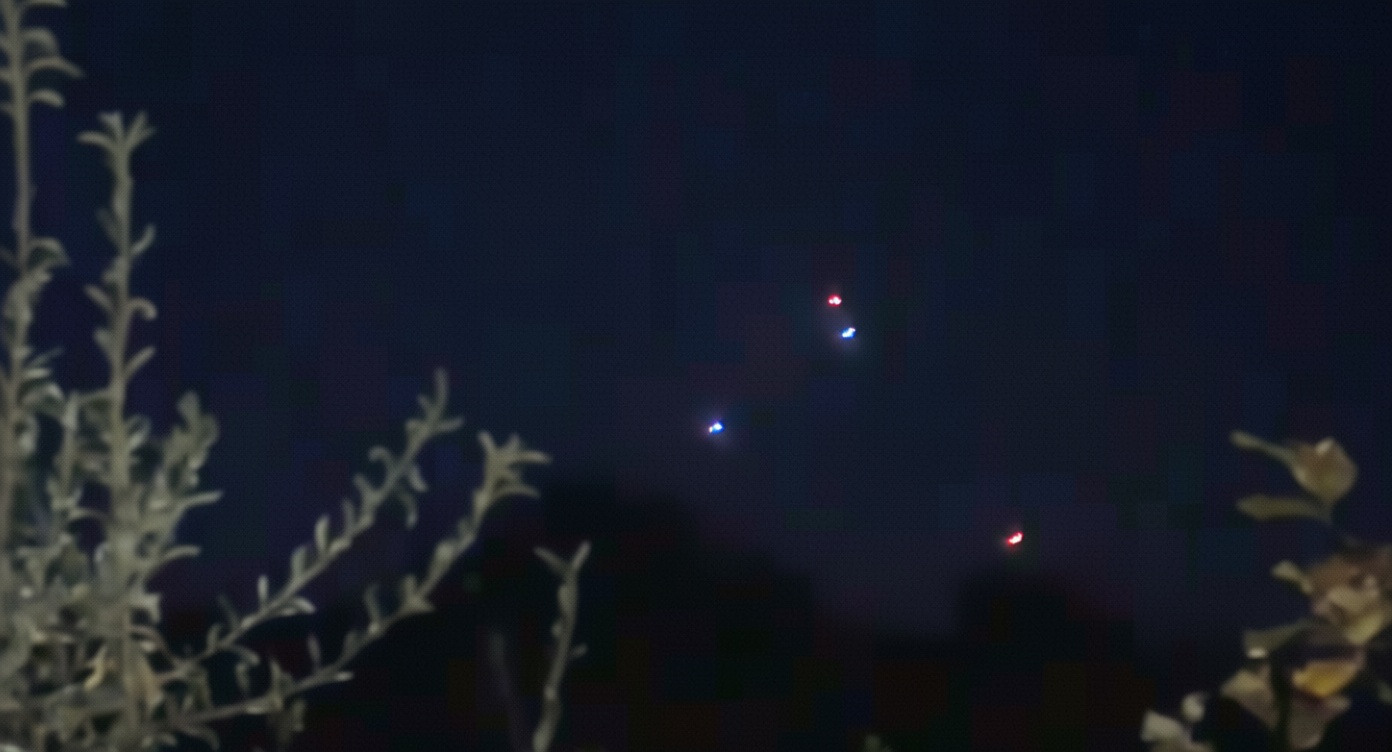
A former Air Force pilot has come forward with claims of direct encounters with unidentified flying objects (UFOs), including gun camera footage capturing the mysterious craft and reports of alleged alien communication during flight missions. In a newly surfaced interview, the whistleblower and his colleagues describe a pattern of government suppression and psychological strain, raising new questions about the U.S. military’s longstanding secrecy surrounding Unidentified Anomalous Phenomena (UAP).
Firsthand Encounters and Gun Camera Evidence
The pilot, identified as part of a 1954 Army squadron, recounts being tasked specifically to film UFOs over the United States. According to his testimony, the squadron was shown more than 600 still photographs and a significant quantity of gun camera film depicting unexplainable aerial objects. “We ran into a total of 16 of the things, and at that point, we were having some relatively severe psychological problems,” he recalled, highlighting the emotional toll the encounters took on the young pilots.
The footage, he explained, was captured after multiple sightings, some of which eluded documentation. The squadron’s inability to defend themselves or comprehend the nature of these objects left them feeling vulnerable and confused, especially after repeated close encounters within a short time frame.
Claims of Alien Communication
One of the most striking revelations involves an alleged communication from the UFOs. The pilot describes an incident during which a voice, speaking English, was heard in the pilots’ headphones. “They said they come in peace, but they were worried about what man was doing,” the pilot stated, referencing concerns about nuclear weapons development. He stressed that the voice was not a hallucination and that the message’s tone was grave, not playful.
This experience, occurring when the pilot was just 21 years old, left a profound impact. “It placed us in severe quandary of questioning and capability,” he said, referencing the challenge of reconciling such extraordinary events with their limited experience and training.
Government Secrecy and Psychological Impact
The video further details explicit instructions from military superiors to remain silent about UFO incidents, even among fellow officers. “The statement to us was, ‘Don’t even talk to yourself about it. You put it down in the report and take it out of your head and that’s where it ends,’” the pilot reported. Such directives, he explained, were justified by the government as being in the interest of public safety, although he likened the resulting culture of silence to a “form of mental rigor mortis.”
Former Air Force flyer Guy Kirkwood corroborates this atmosphere of secrecy. After publicly discussing his UFO encounters, Kirkwood recounted being warned by government agents: “The government doesn’t like the information being released and to continue could be detrimental to your health.” These measures, the pilots argue, contributed to widespread reluctance to discuss or investigate the phenomena.
Ongoing Mystery and Public Perception
The pilot and his peers emphasize their limited understanding despite firsthand experience, comparing the situation to an unsolved mathematical equation. “The entire thing is a mystery… I know very little. It’s true. I may know much more than a lot of other people, but relative to the entire situation, I still know very little,” he admitted. The ongoing collection of evidence is seen as critical, but uncertainty prevails.
The testimony underscores a growing recognition that UAP encounters are not a recent phenomenon but have a long history within military circles—one often shrouded in official secrecy. As public interest in government transparency on UAPs intensifies, whistleblower accounts like these offer rare glimpses into the complex reality faced by those on the front lines of these enigmatic encounters.