Overview
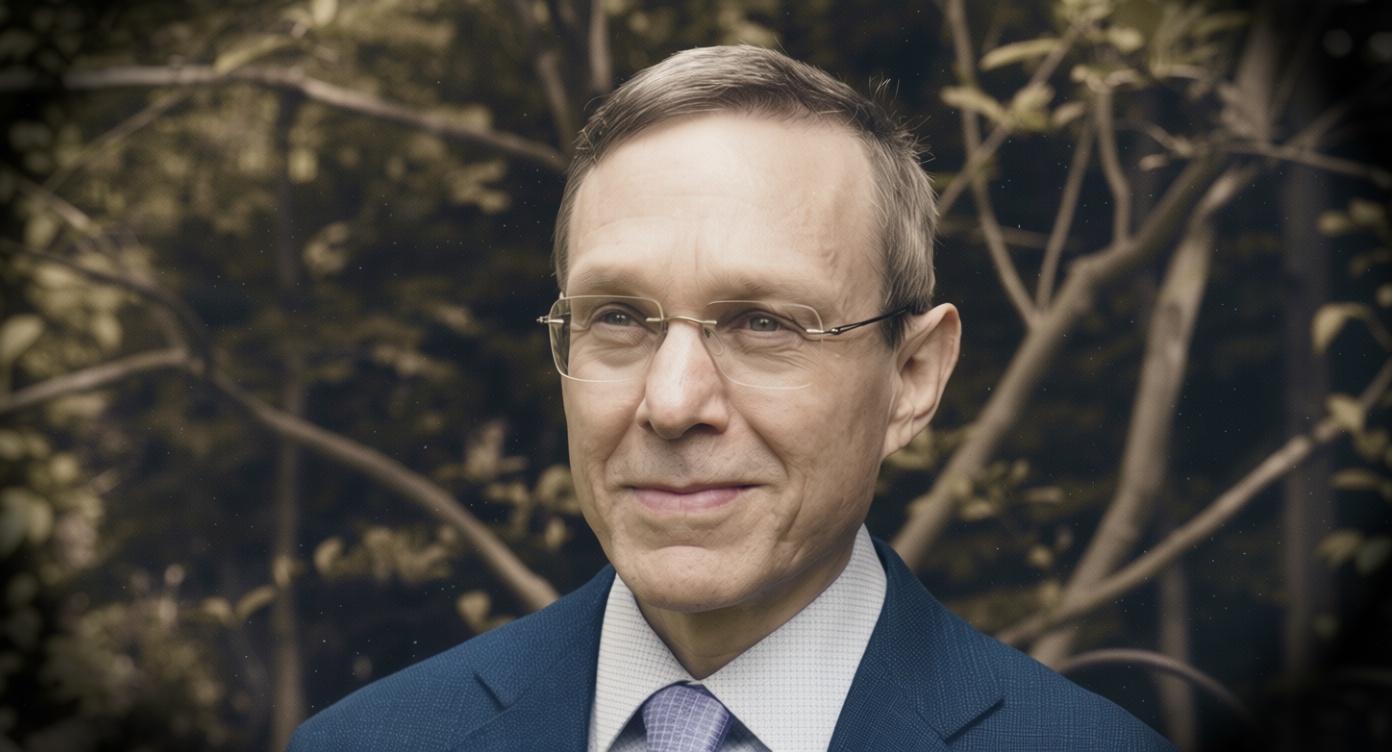
Harvard astrophysicist Avi Loeb has been tapped to lead a new White House-backed UAP study council, marking another sign that the study of unexplained aerial phenomena is moving further into mainstream scientific and policy circles. The panel is expected to focus on evidence, instrumentation and data-driven analysis of anomalous events reported in the air, space and underwater, reflecting a broader government interest in treating unidentified phenomena as a matter of research rather than speculation.
Loeb, one of the most visible academic voices in the field, has long argued that unusual observations should be investigated with the same rigor applied to any other scientific mystery. His appointment gives the effort an unusual level of credibility in a debate that has often been dominated by secrecy, stigma and conflicting claims. For supporters of the initiative, placing a prominent Harvard scientist at the center of the effort suggests a serious attempt to build a credible framework for collecting and evaluating data.
A Science-First Approach
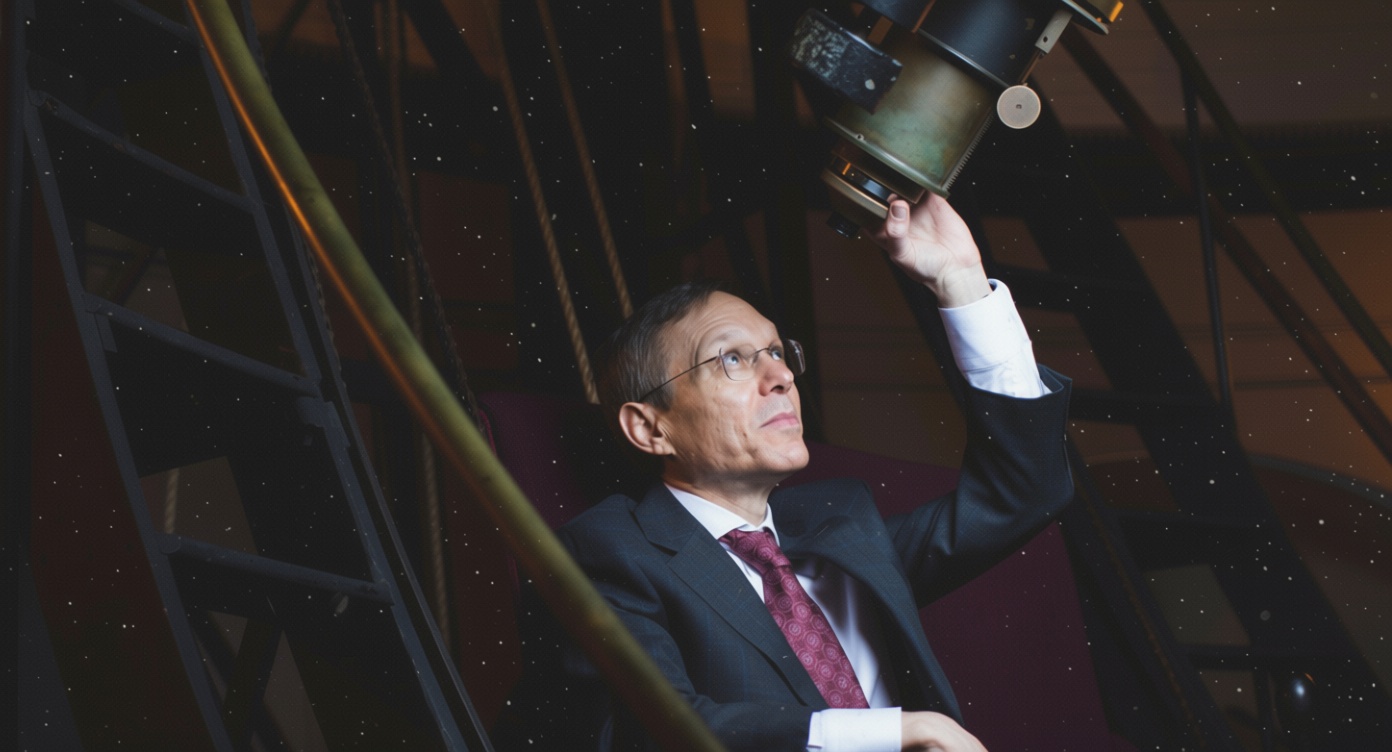
The new council is being framed as a science-based effort, with a strong emphasis on better sensors, improved observational tools and more systematic analysis. That focus matters because one of the biggest obstacles in UAP research has been the quality of the available evidence. Many incidents are reported through anecdote or limited imagery, leaving researchers without the resolution, calibration or metadata needed to draw firm conclusions.
By prioritizing instrumentation, the council appears to be betting that better data collection will reduce ambiguity. That could include more advanced detectors, improved cross-referencing of eyewitness accounts with radar or satellite data, and a clearer chain of evidence for unusual encounters. In that sense, the project is less about proving extraordinary claims and more about determining whether enough reliable information exists to identify what is being observed.
Why Avi Loeb’s Role Matters
Loeb’s appointment is significant not only because of his scientific profile, but also because of his willingness to engage with controversial subjects publicly. He has often argued that the scientific community should remain open to unconventional explanations when the evidence warrants it. That posture has made him a polarizing figure in some circles, but it has also helped bring wider attention to the need for disciplined inquiry.
For a White House-backed initiative, his leadership may also signal an attempt to bridge the gap between government interest and academic research. UAPs have increasingly become a matter of public policy, with officials and lawmakers pressing for more transparency around sightings and military reports. A council led by a well-known astrophysicist could help shift the conversation from rumor and speculation toward testable hypotheses and reproducible analysis.
Questions About Scope and Authority
Even so, experts caution that the council’s impact will depend on more than its leadership. As one recurring concern among observers of the field, a study group will only matter if it has a clear mandate, access to relevant data, public reporting pathways and dedicated funding. Without those basics, even a high-profile panel could struggle to produce meaningful results.
That skepticism reflects a practical reality: UAP research has often been hampered not by a lack of interest, but by a lack of structure. If the council is to succeed, it will need cooperation from multiple agencies, a consistent method for sharing information and enough resources to support serious investigation. For now, Loeb’s appointment is a notable development — one that could either help professionalize the field or expose just how difficult it remains to turn mystery into science.