Overview
The White House has released newly declassified UFO files dating back to 1952, adding another layer to the long-running public debate over unexplained aerial phenomena and how the government has documented them. In a Fox News report, correspondent Peter Doocy described the material as part of the broader effort to make older records available to the public, highlighting how Cold War-era sightings continue to draw attention more than seven decades later.
Key Details
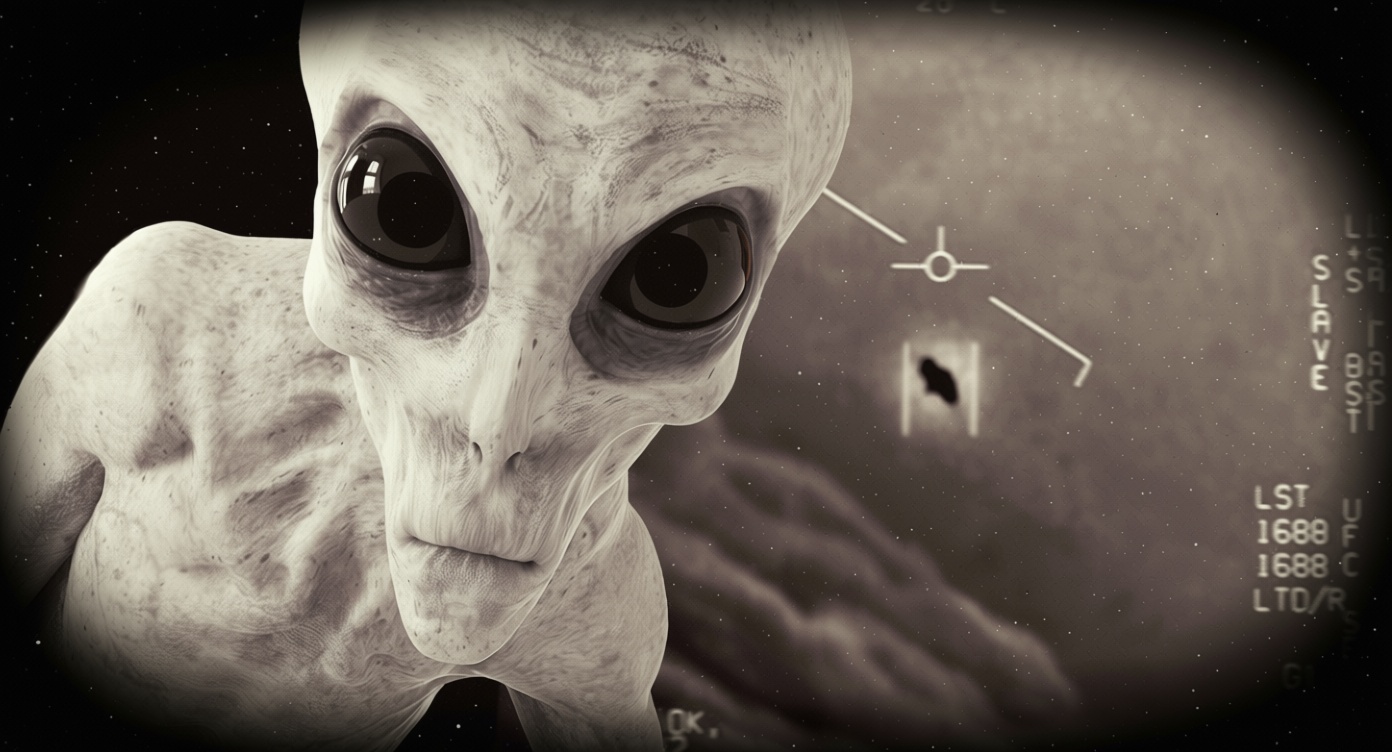
According to the report, the newly released documents include video footage of swarming objects over Utah in 1952, a scene that has long been associated with early government interest in unidentified aerial activity. The files also reportedly contain a 2008 expense report showing a $22 million government investigation into unexplained aerial phenomena in the Middle East. While the documents add historical context and raise fresh questions about what officials observed and recorded, the release itself does not appear to offer a definitive explanation for the incidents described.
The appearance of these materials is notable because they reflect the government’s continued willingness to open archives tied to UAP reporting, even when the events are decades old. Releases like this tend to fuel renewed public interest, especially when they include imagery or records suggesting that military or intelligence officials treated certain sightings as worthy of formal investigation. For UAP researchers, historians, and skeptics alike, the value of the documents lies not in proving a specific theory, but in showing how official concern about unexplained sightings has persisted over time.
Historical Context
The year 1952 stands out in UFO history. It was a period marked by intense public fascination with flying saucers, increased military tracking of unusual objects, and growing anxiety in the United States over airspace security during the early Cold War. Sightings from that era were often filtered through limited radar technology, pilot testimony, and incomplete visual evidence, making many cases difficult to verify even decades later. That historical backdrop helps explain why documents from 1952 remain of interest today: they offer a window into how the government interpreted anomalous reports before modern UAP terminology and current disclosure debates took shape.
Why It Matters
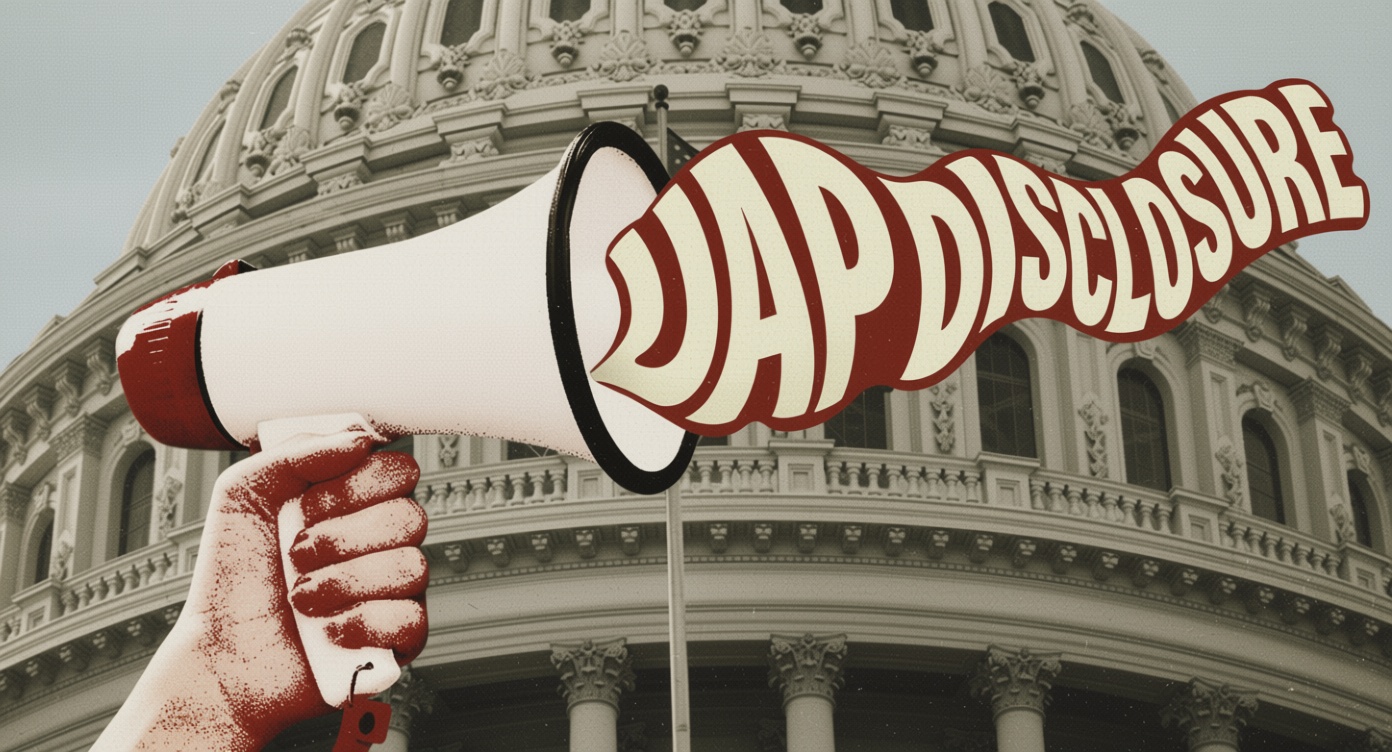
The release also comes amid broader momentum toward transparency around unidentified aerial phenomena, a subject that has moved from fringe curiosity to a more established policy issue in Washington. In recent years, lawmakers and defense officials have pushed for greater disclosure of historical and current UAP materials, arguing that older records can help establish patterns, correct misunderstandings, and improve public trust. At the same time, the documents are likely to be scrutinized closely by those hoping for evidence of something beyond conventional aircraft or atmospheric explanations.
For now, the newly declassified files mainly underscore one fact: interest in UFOs has never been limited to enthusiasts. Government records, military investigations, and official footage continue to shape the conversation, and each new release adds another piece to a historical puzzle that remains unresolved.