Overview
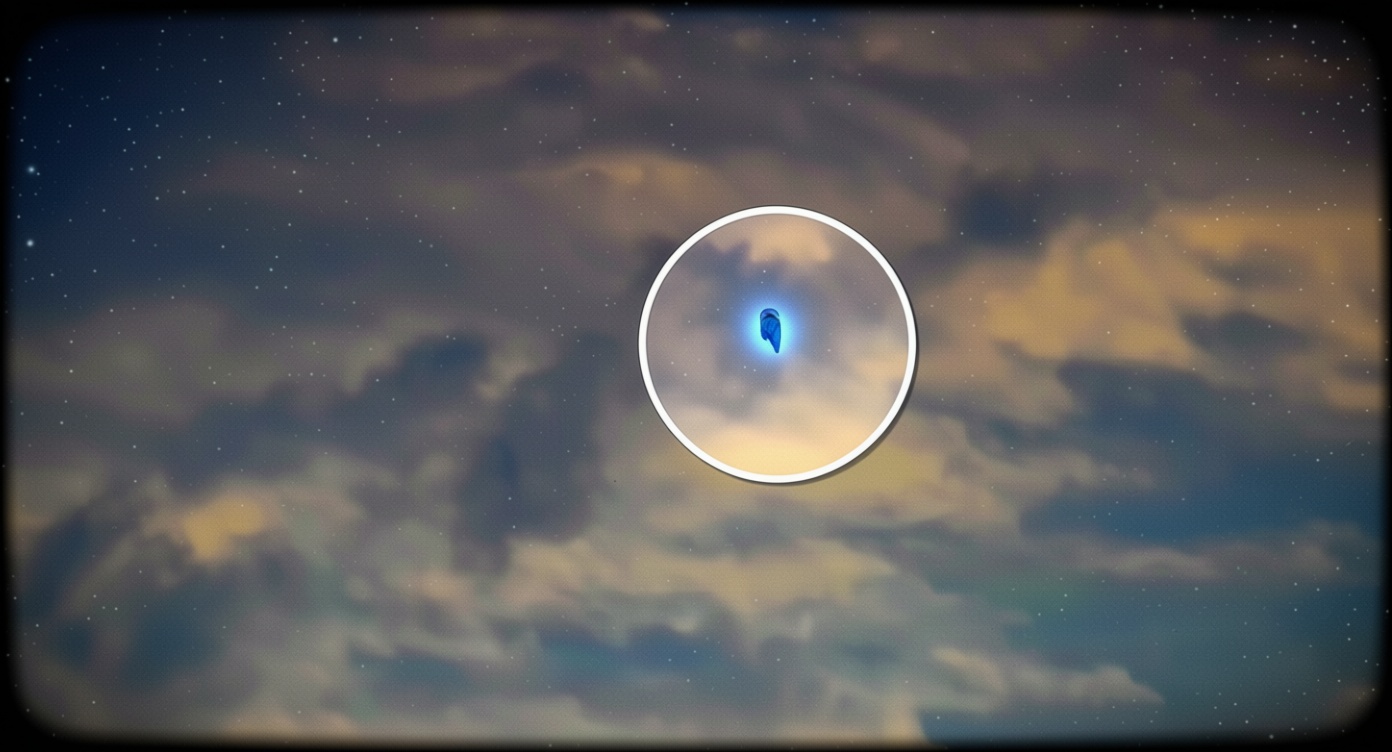
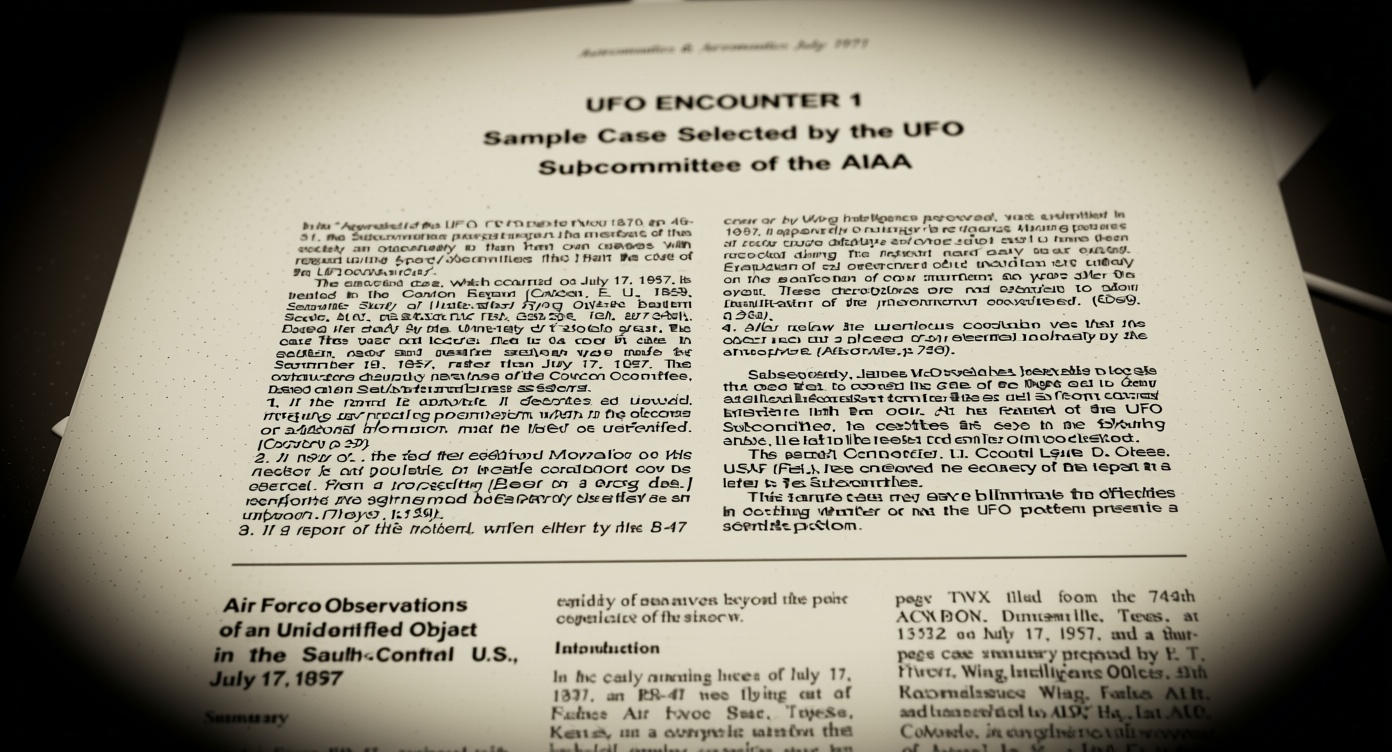
The July 17, 1957, RB-47 incident is frequently cited by UFO researchers as one of the most significant Cold War-era military encounters, yet it remains less familiar to the public than Roswell, the 2004 Nimitz encounter, or the Phoenix Lights. The case involved a six-person U.S. Air Force reconnaissance crew flying an RB-47 from Forbes Air Force Base in Kansas. According to accounts discussed in the video, the crew reported being followed by an unidentified object for more than two hours across parts of Louisiana, Mississippi, Texas, and Oklahoma.
What distinguishes the incident, researchers argue, is the reported convergence of visual observations, airborne electronic intelligence, and ground-based radar tracking. The aircraft was operated by personnel trained to identify and analyze electronic signals, rather than by civilian witnesses unfamiliar with aviation or radar systems. The encounter therefore occupies an important place in debates over whether some historical UFO reports involved misidentified aircraft, atmospheric phenomena, or objects displaying unusual technological capabilities.
Evidence and Testimony
Researcher Brad Sparks emphasizes that the RB-47’s electronic intelligence equipment reportedly detected signals associated with the unidentified object. In his interpretation, the system recorded emissions originating from the object, rather than merely receiving a radar return reflected from it. That distinction, if accurately represented in the original records, would make the case unusual even by the standards of military UFO reports.
The aircraft commander, Major Lou Chase, reportedly contacted Radar Station Utah in Duncanville, Texas, during the encounter. According to the account, ground personnel confirmed that radar was tracking an object in a position corresponding with the crew’s observations and onboard readings. Retired Air Force Lieutenant Colonel Bruce Bailey has also highlighted the experience of the crew, which included highly trained electronic intelligence specialists sometimes referred to as “Ravens” or “Crows.” A report attributed to the Director of Intelligence for the 55th Strategic Reconnaissance Wing stated that the electronic signals coincided “exactly” with the pilot’s visual observations.
The Official Explanation
Despite the reported evidence, the Air Force’s Project Blue Book investigation ultimately identified the object as American Airlines Flight 455, a conventional jetliner. Researchers challenging that conclusion argue that the referenced aircraft was approximately 600 miles from the RB-47 at the relevant time. If that distance is correct, they contend, the explanation cannot account for the observations or radar data.
The discrepancy has helped preserve the case’s importance among UFO investigators. However, publicly available accounts and later analyses do not necessarily resolve every question surrounding the original radar records, flight paths, timing, or Blue Book assessment. As a result, the incident is best described as unresolved rather than conclusively extraterrestrial.
A Broader Cold War Context
Bailey also described a separate incident during the Cuban Missile Crisis, known as Operation Common Cause, in which a bright light allegedly approached a reconnaissance aircraft operating near Cuba. According to his account, ground control confirmed the object, while intense electronic interference disrupted the aircraft’s intelligence equipment. Bailey further said that crews were subjected to thorough debriefings and pressured to deny what they had seen, reflecting a broader Cold War culture in which reporting a UFO could damage a service member’s career.
Why the Case Receives Less Attention
The RB-47 incident may receive less public attention because it lacks dramatic photographs, widely circulated footage, or a simple narrative. Its evidence is technical, dispersed across military reports and witness testimony, and complicated by official secrecy and competing interpretations. By contrast, cases such as Roswell and Phoenix Lights have become deeply embedded in popular culture.
Even so, researchers argue that the RB-47 case deserves renewed examination because it involved multiple trained witnesses and several forms of purported detection. Its significance ultimately depends on the reliability and completeness of the surviving documentation—an issue that continues to distinguish serious historical inquiry from sensational claims.