Overview
The Pentagon’s recent release of UFO, or unidentified anomalous phenomena (UAP), material is being described by experts as unprecedented—a notable shift in how the U.S. government handles one of its most closely watched and most debated national security questions. The disclosures matter not simply because they add to the public record, but because they may help clarify how the government tracks, evaluates and investigates unexplained aerial sightings. In a field long shaped by speculation, the release of official files and imagery offers something far more concrete: data.
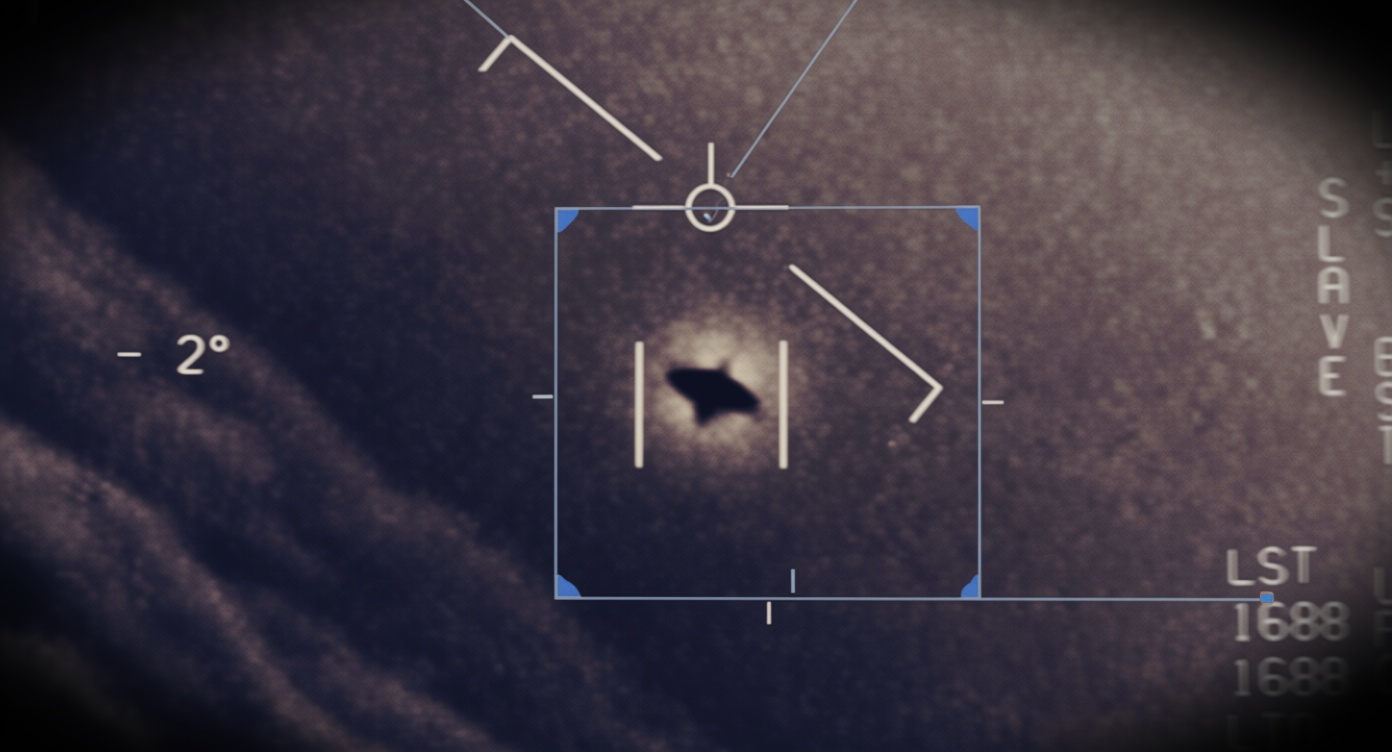
The term UAP has evolved from the older and more familiar UFO, itself a modern replacement for “flying saucers,” but the broader question has remained the same: are some of these sightings explainable, and if so, how? In recent years, the government has shown increasing willingness to acknowledge that some incidents remain unresolved. The Pentagon’s decision to release a “football-shaped” UAP observed by an infrared sensor on a U.S. military platform in 2024, made public on May 8, 2026, underscores how seriously the issue is now being treated within official channels. For researchers and lawmakers, that kind of disclosure provides a clearer window into the kind of evidence being examined.
Why the disclosures matter
The significance of the releases is tied to transparency, but also to process. If the Pentagon is willing to disclose selected cases, observers may better understand what counts as credible evidence, which sensors are used, and how investigators distinguish between misidentification, atmospheric effects, foreign technology, or truly anomalous events. That matters in a climate where public discussion of UFOs has often been muddied by leaks, rumors and conspiracy claims. More official documentation could help shift the conversation from belief to method.
Mike Gold, now president of Redwire Space and a former NASA official, has been one of the more prominent voices arguing for rigor rather than assumptions. Gold served on NASA’s Unidentified Anomalous Phenomena Independent Study Team in 2022 and 2023, a 16-member panel tasked with exploring how UAP should be investigated. He also played senior roles at NASA and helped develop the Artemis Accords. His background gives added weight to the argument that UAP inquiry should be treated as a serious scientific and policy issue, not just a cultural curiosity.
A more open approach
Gold reinforced that view during a 2024 House Oversight and Accountability Committee hearing titled “Unidentified Anomalous Phenomena: Exposing the Truth.” He told lawmakers, “We must be thorough in collecting information, fearless in making conclusions and open to following the data no matter how mundane or extraordinary the results may be.” He added, “As the saying goes, the truth is out there. We just need to be bold enough and brave enough to face it.” His comments reflect a growing consensus among some officials and researchers that the main challenge is not ridicule, but reliable analysis.
For now, the Pentagon’s recent releases do not answer the biggest questions surrounding UAP. But they do signal that the government is increasingly willing to put evidence on the table and let the public see, at least in part, how these cases are handled. In a debate long defined by secrecy and suspicion, that alone is a meaningful development.