Overview
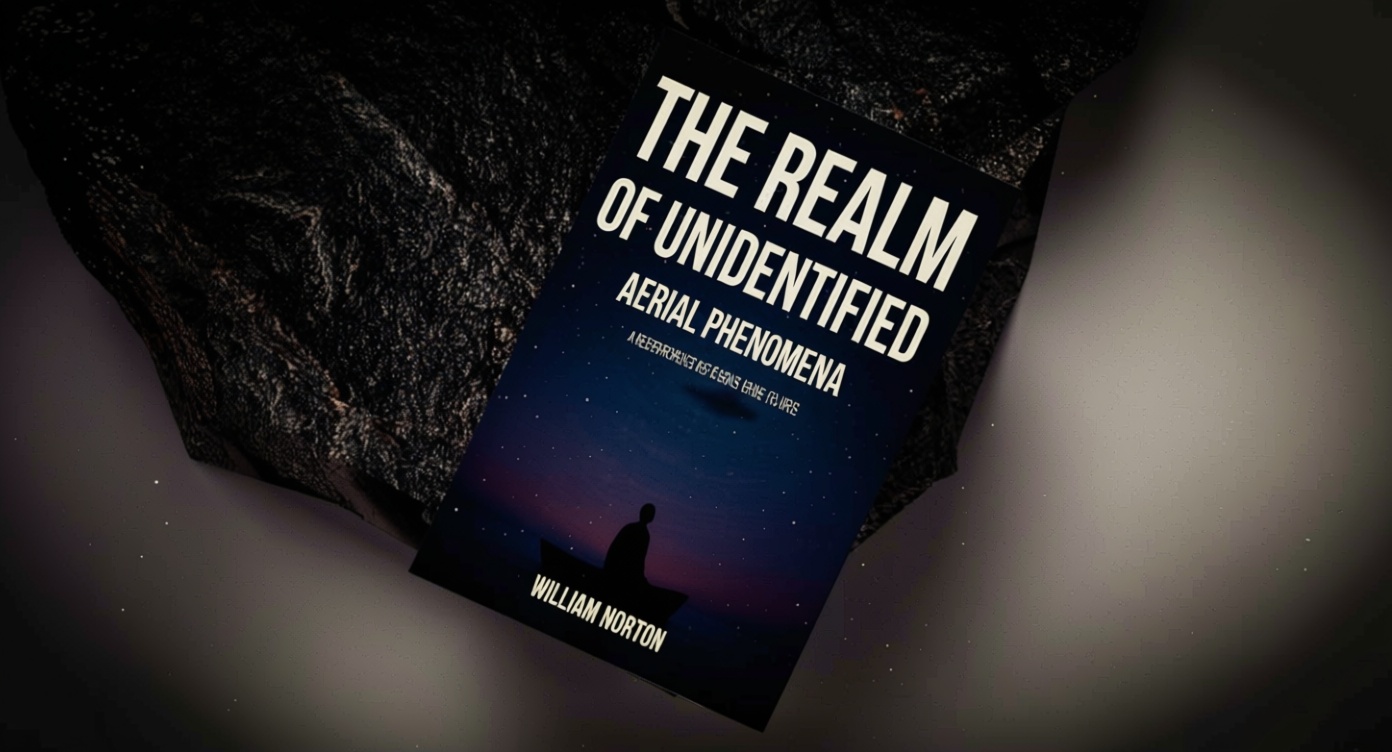
Author and UFO researcher William Norton has released a new reference guide, The Realm of Unidentified Aerial Phenomena: A Researcher’s Reference Guide to UFOs, a book aimed at readers seeking a broader, more organized understanding of the long-running and often disputed subject of UFOs and UAPs. Published in New York City, the guide is presented as an encyclopedia-style resource rather than a narrative account, positioning itself as a practical tool for anyone trying to navigate the complex body of information surrounding unexplained aerial phenomena.
According to the publisher’s description, the book draws on Norton’s experience as a MUFON field investigator, giving it a research-oriented framework shaped by hands-on casework. Instead of focusing on a single famous incident or theory, the guide assembles a wide range of topics that may arise in the study of unusual aerial observations, from terminology and methodology to technology, government involvement, and unresolved cases.
What the Book Covers
The reference guide spans hundreds of subjects across the UFO and UAP field, including historical sightings, investigative organizations, military and intelligence activity, scientific concepts, and competing explanations for strange aerial reports. Its alphabetical structure is designed to allow readers to look up individual topics quickly while also following links between related subjects, making it useful both as a study aid and a research companion.
Among the entries highlighted in the release are Project Blue Book, AATIP, UAPTF, government classification issues, radar and photographic evidence, aerospace technology, transmedium phenomena, unidentified submerged objects, and theories involving time and space. The book also references numerous historical UFO cases, suggesting an effort to connect older incidents with the modern UAP conversation that has gained greater public attention in recent years.
Research, Method, and Perspective
Norton’s approach appears to emphasize the idea that UFO and UAP research cannot be confined to a single discipline. The manuscript reportedly considers scientific, technological, historical, military, paranormal, and theoretical perspectives, reflecting the wide range of explanations that have been proposed over decades of investigation. That multidisciplinary framing may appeal to readers who want more than sensational accounts and are looking for a structured overview of how the field is studied.
Importantly, the book is not presented as a final answer to the UAP question. Instead, Norton describes it as a foundation for continued research, acknowledging that information can change as new evidence emerges. That position reflects a broader trend in UAP coverage, where investigators and analysts increasingly treat the topic as an evolving evidentiary puzzle rather than a fixed mystery with a single explanation.
Why It Matters
The guide is aimed at a wide audience that includes UFO and UAP enthusiasts, field investigators, students, and science and technology readers. For newcomers, it may serve as a roadmap through a subject often marked by jargon, fragmented records, and competing interpretations. For more experienced researchers, the book could function as a quick-reference tool for comparing cases, programs, and theories across the field.
In a moment when UAP reporting has become more visible in public debate and government discussion, Norton’s book arrives as part of a growing effort to standardize the language and historical context around the phenomenon. While it does not claim to resolve the central questions, it offers a structured entry point into one of the most persistent and debated areas of unexplained observation.