Overview
YouTube has done more than provide a new home for ghost videos; it has redefined the entire paranormal-investigation genre. What began as a stream of brief, blurry clips of “ghosts caught on camera” has evolved into a polished ecosystem of feature-length investigations, branded channels, live premieres, merchandise, and dedicated fan communities. According to the source material, the platform’s impact was not just technological but cultural: it shifted the focus from isolated evidence clips to the personalities, reactions, and storytelling skills of the investigators themselves.
That transformation began with YouTube’s core promise in the mid-2000s: anyone could record and upload something for a global audience. Paranormal enthusiasts quickly recognized the potential. A strange shadow, an unexplained voice, or a flicker on a security camera no longer had to remain a local rumor. It could be replayed, slowed down, analyzed, and debated by viewers worldwide, turning ghost hunting into a participatory form of online entertainment.
From Grainy Clips to Global Spectacle
In its earliest phase, paranormal YouTube was dominated by short, context-light uploads with attention-grabbing titles such as “REAL GHOST CAUGHT ON CCTV” or “DEMON IN ABANDONED HOSPITAL.” These clips were often heavily compressed and difficult to verify, with little information about where they came from or how they had been altered. Yet their low quality was part of their appeal: digital noise, motion blur, reflections and compression artifacts created just enough ambiguity to let viewers project meaning onto the image.
That ambiguity made the audience an active participant. Comment sections became informal evidence-review forums, where users paused frames, compared notes and argued over whether a shape was a spirit, a reflection, dust, or simply a person misidentified in poor lighting. In effect, YouTube created a decentralized lab for paranormal claims — one without standards, chain-of-custody records or original source files, but with enormous reach and engagement.
Production Value, Personality and Monetization
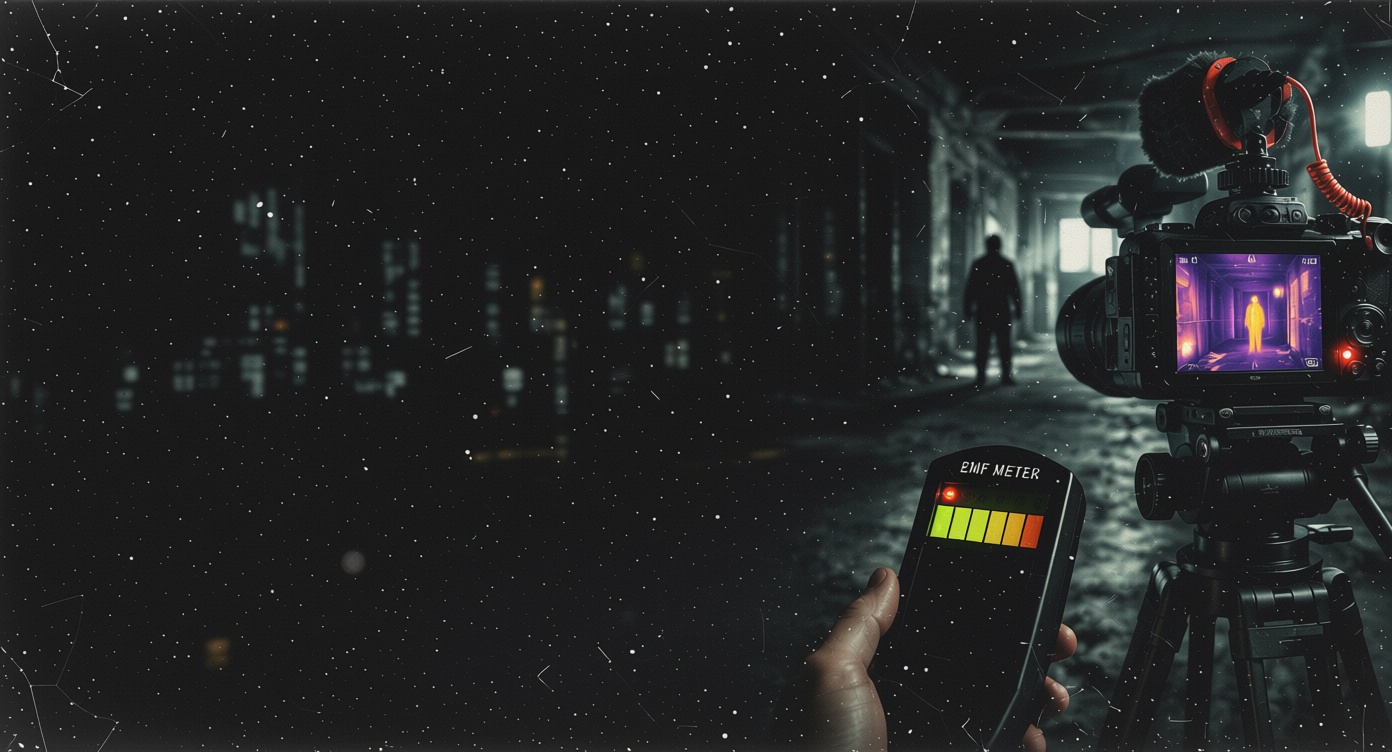
Over time, the genre became far more sophisticated. Amateur teams grew into media brands, investigations became feature-length productions, and ghost hunting expanded into subscriptions, merchandise, livestreams and even theatrical screenings. The source notes that YouTube inherited many of the genre’s conventions from television predecessors like Most Haunted, Ghost Hunters and Ghost Adventures, but removed the need for a network or studio gatekeeper. A camera, a haunted location and a willingness to spend a night in the dark were suddenly enough to build an audience.
That democratization helped the genre flourish, but it also changed what viewers expected. As production values rose, so did the emphasis on personality-driven storytelling. In many cases, the investigator’s fear, banter and dramatic reaction became just as important as the alleged evidence itself. The result was a hybrid of documentary, performance and serialized entertainment — and, increasingly, a model driven by algorithmic visibility and monetization.
The Evidence Question
The central question raised by the article is whether all this polish has actually improved the evidence. The answer appears to be complicated. Better cameras, lighting and editing may create more compelling viewing, but they also make the risk of hoaxes, staging and overproduction more pronounced. Paradoxically, the source argues that simpler scares — a fleeting sound, a subtle anomaly, a well-explained unexplained event — may be more effective than elaborate theatrics.
In other words, YouTube may have made ghost hunting bigger, smarter and more commercially successful, but not necessarily more convincing. The platform transformed paranormal investigations into a modern media business; whether it brought viewers any closer to proving ghosts remain another matter entirely.