Historical Account
A 1931 account published in The Occult Digest described Hollywood astrologer and inventor James Blackbaum’s alleged encounter with a nine-foot-tall visitor from Mars. The article, titled “Martian Visits Star Gazer,” was credited to the Hollywood News and included a photograph of Blackbaum. Nearly a century later, the account has been revisited by the Alien Archivist project, which presents it as an example of early 20th-century extraterrestrial contact literature.
Blackbaum was reportedly based in Hollywood, California, where he practiced astrology and worked on mechanical inventions. According to the historical report, he had spent approximately 30 years developing a perpetual-motion machine inspired by the movements of the planets around the Sun. The device apparently remained a design or unfinished concept until the claimed encounter, when Blackbaum said his visitor demonstrated a working version of the machine.
The Claimed Visitor
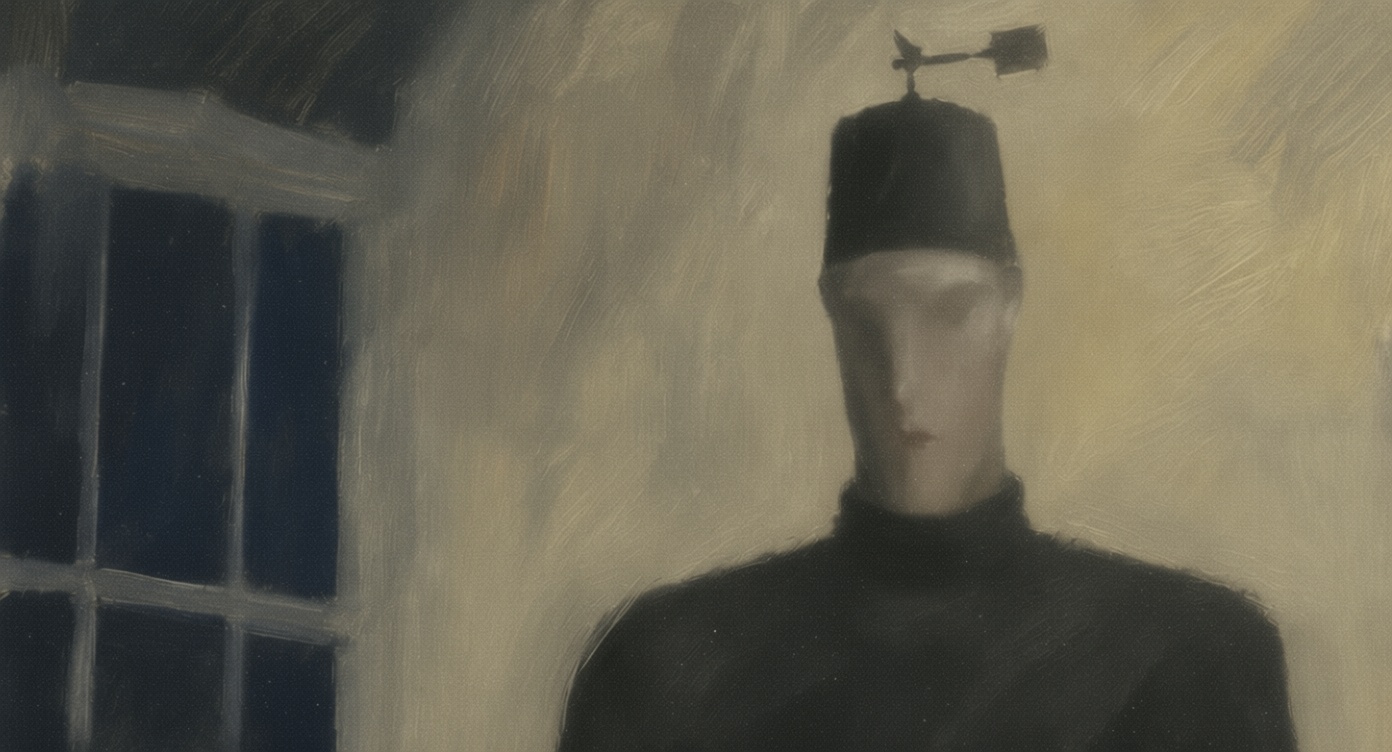
Blackbaum said the incident began with a violent noise at a window. A figure then appeared inside his room, which he described as approximately nine feet tall. The visitor reportedly had an elongated head and face, a broad, square-shaped body, and wore a dark garment that Blackbaum compared to fireproof material.
The figure’s most distinctive feature was a tall, brimless hat topped by a rotating square weathervane. According to the account, the stranger explained that Martians used similar devices to navigate through different wind conditions. The unusual description reflects the highly imaginative style common to many alleged contact narratives published during the period, when popular interest in Mars, astrology, aviation and speculative technology was widespread.
The Perpetual-Motion Demonstration
The central episode involved Blackbaum’s proposed machine. He claimed that the Martian produced a functioning model of the device, despite the fact that Blackbaum had previously represented it only on paper. The visitor allegedly dismantled and reassembled the mechanism before demonstrating what Blackbaum described as “one-third overbalance power.”
No technical diagrams, independent test results or corroborating witnesses are identified in the material provided. Perpetual-motion machines conflict with established principles of thermodynamics, and the report should therefore be understood as a historical claim—not evidence that such a device operated as described. The account’s terminology may also have reflected Blackbaum’s own theories rather than recognized engineering language.
Messages From Mars
The report additionally connected Blackbaum’s visitor to broader ideas about communication between Earth and Mars. The historical summary says the encounter included discussion of meteor messages from Mars, suggesting that Blackbaum interpreted meteors or other celestial phenomena as possible signs of extraterrestrial communication. Such ideas were not unusual in the era: Mars was frequently portrayed in newspapers, occult publications and popular science as a world capable of supporting intelligent life.
The account does not establish how the alleged messages were received, recorded or verified. Nor does it provide independent evidence that the visitor was extraterrestrial. Its value today lies primarily in documenting the cultural history of UFO and occult claims, showing how technological speculation, astrology and imagined communication with other planets were combined in pre–Space Age narratives.
Historical Significance
Blackbaum’s story predates the modern UFO era by more than a decade and illustrates how reports of otherworldly visitors circulated before flying saucers became a dominant cultural phenomenon in the late 1940s. The original Occult Digest article, as presented in the source material, offers a snapshot of those beliefs but not a scientifically substantiated encounter. An illustrative reconstruction accompanying the modern presentation is explicitly based on Blackbaum’s description and should not be mistaken for an original image or physical evidence.