Overview
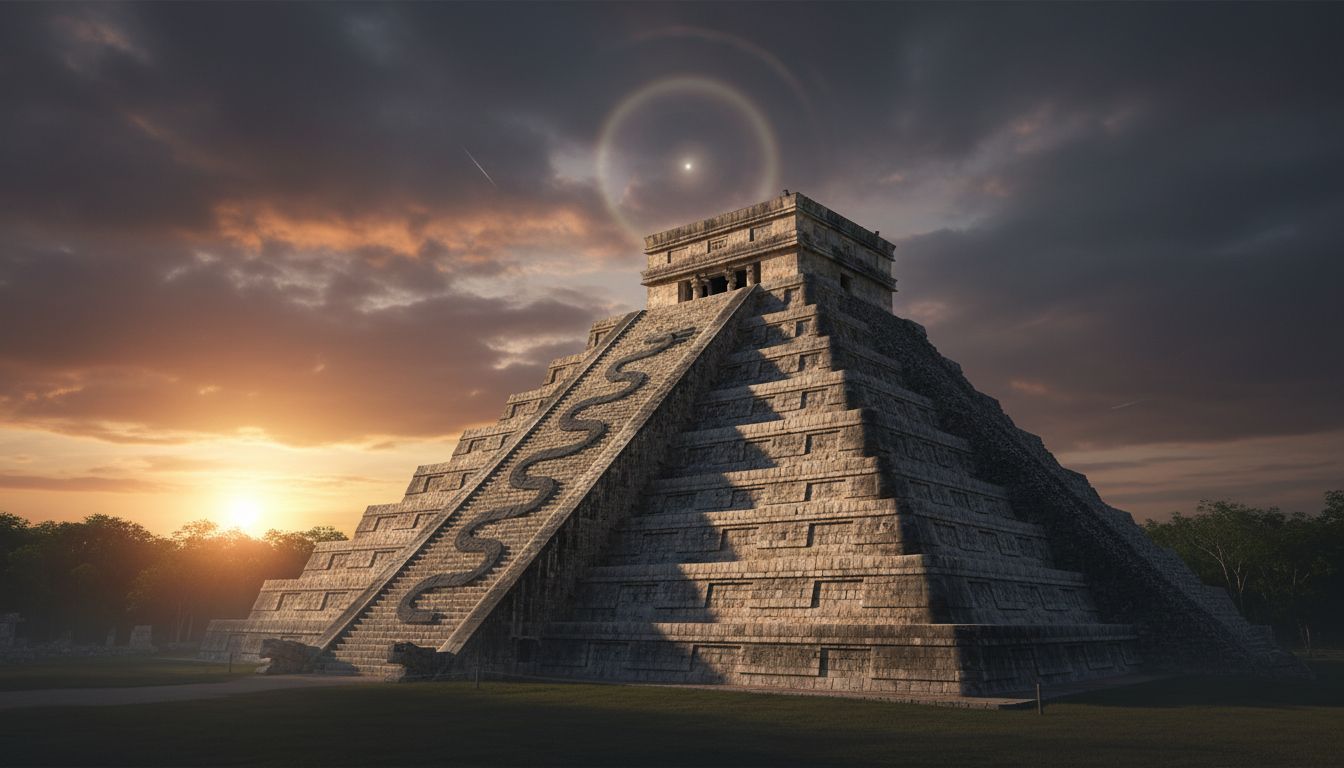
On March 15, 2026 NASA’s Astronomy Picture of the Day (APOD) featured a striking night‑time photograph taken at the ancient Maya site of Chichén Itzá. The image, captured by photographer Robert Fedez, shows the iconic step‑pyramid known as El Castillo (Temple of Kukulkán) framed by a band of the Milky Way with Jupiter and Saturn positioned on opposite sides of the galactic plane. The accompanying APOD explanation highlights how, during the equinox, the pyramid’s shadows create a fleeting illusion of a feathered serpent—identified with the deity Quetzalcoatl—slithering down its terraces. The post also notes that another equinox will occur worldwide within a few days, offering a brief window for observers to experience the phenomenon.
The Feathered Serpent Illusion
The APOD text explains that “to see the feathered serpent descend the Mayan pyramid requires exquisite timing.” Visitors must arrive at El Castillo on an equinox day, when the sun’s angle in the late afternoon casts a series of triangular shadows across the pyramid’s north‑facing staircase. These shadows line up perfectly to form the silhouette of a serpent winding down the structure’s steps. The illusion is not a modern art installation; it results from the precise astronomical alignment built into the pyramid by its creators. As the APOD description puts it, the shadows “merge into the famous illusion of a slithering viper,” echoing centuries‑old Maya cosmology that linked the celestial and terrestrial realms.
Architectural and Calendar Role
El Castillo rises 30 meters (≈ 98 feet) and spans 55 meters at its base, composed of nine successive square terraces constructed between the 9th and 12th centuries CE. Archaeologists have long recognized the pyramid as a calendar instrument: the stairways align with the sun’s position at the spring and autumn equinoxes, marking the change of seasons for agricultural societies. The serpent shadow, therefore, is more than a visual curiosity; it is a functional marker that signaled the onset of planting or harvest cycles. “The structure can be used as a calendar and is noted for astronomical alignments,” the APOD entry states, underscoring the sophisticated observational astronomy practiced by the pre‑Columbian civilization.
Cosmic Backdrop: Jupiter, Saturn and the Milky Way
The featured photograph also includes a 2019 composite image that places Jupiter and Saturn across the Milky Way’s bright central band. This rare planetary alignment, captured by the same photographer, illustrates the broader celestial context in which the Maya performed their observations. Jupiter and Saturn, the solar system’s two largest planets, appear on opposite sides of the galactic plane, offering a visual reminder of the interconnectedness of planetary motions and Earth‑bound calendars. The APOD note links the composite to a previous APOD entry (2019‑12‑23), where the same alignment was highlighted for its aesthetic and scientific value.
Looking Ahead: The Next Equinox
NASA’s APOD entry reminds readers that another equinox will occur “not only at Temple of Kukulcán, but all over planet Earth” within days. This global event provides a timely opportunity for both scientists and the public to observe how ancient structures like El Castillo continue to synchronize human activity with celestial cycles. The next day’s APOD image, teased as a “dancing galaxy,” promises to keep the conversation about the night sky alive. As APOD editors Robert Nemiroff and Jerry Bonnell note, the ongoing documentation of such phenomena helps bridge cultural heritage and modern astronomy, reinforcing the timeless human fascination with the heavens.


