Overview
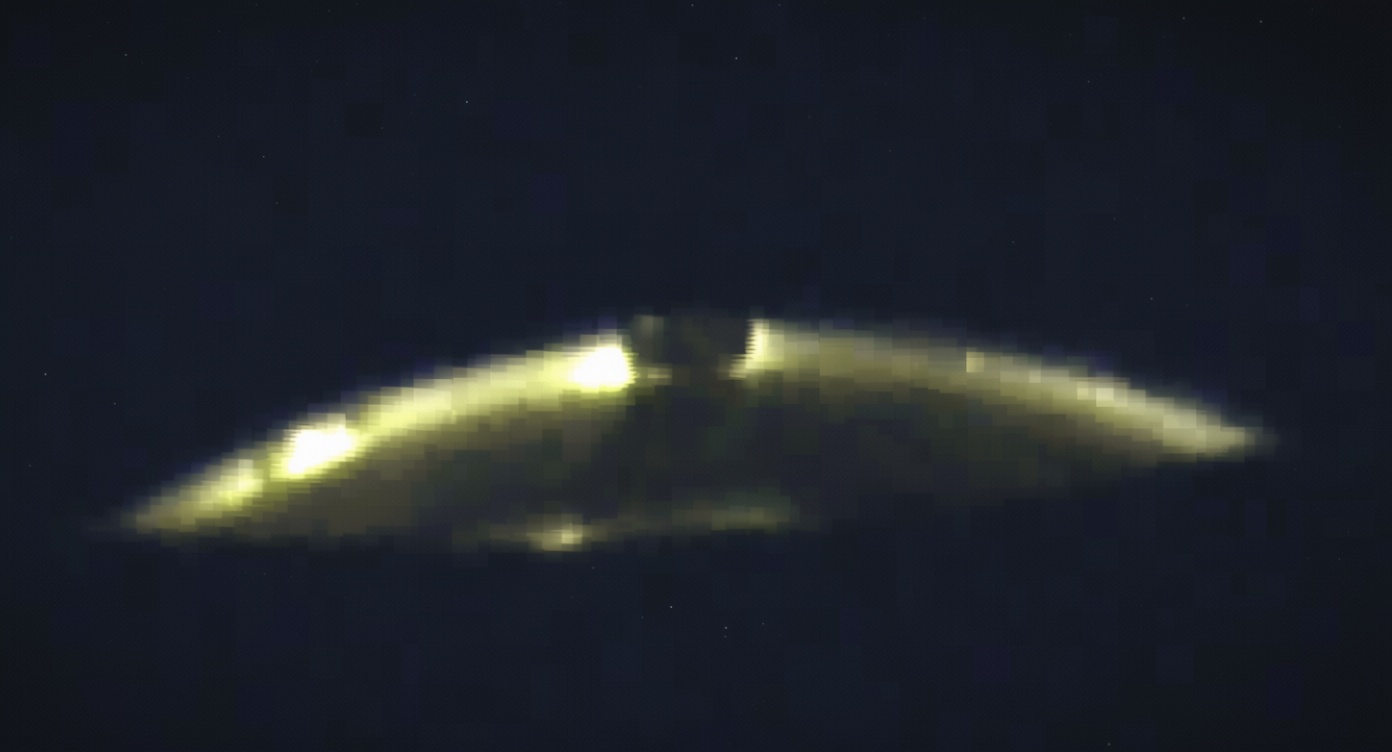
A new roundup published on MSN’s technology news section brings together 70 online posts that delve into UFO sightings, paranormal events, and other unexplained phenomena. The collection, titled “70 fascinating posts about all things strange, mysterious, and paranormal,” serves as a curated portal for readers who enjoy “late‑night internet rabbit holes” and wish to explore the fringe topics that have long captured public imagination. While the piece itself offers only brief excerpts and links, its breadth underscores a growing appetite for content that straddles the line between curiosity‑driven storytelling and investigative inquiry.
Content Highlights
The compilation spans a wide array of subjects, from documented UFO encounters reported by civilian pilots to cryptid sightings that have persisted in folklore for decades. Several entries reference recent declassified government reports on unidentified aerial phenomena, echoing the heightened interest generated by the U.S. Department of Defense’s 2021 release of three Navy videos. Other posts examine classic paranormal cases—such as the Enfield Poltergeist and the Roswell incident—providing historical context and linking to contemporary analyses that question earlier conclusions. The article also includes posts about psychic research, ancient mysteries like the construction of Stonehenge, and modern digital folklore, illustrating how the internet continues to amplify and reinterpret these narratives.
Cultural Context
The timing of this collection aligns with a broader cultural resurgence in the paranormal. Streaming services have launched series on extraterrestrials, while podcasts dedicated to true‑crime and supernatural investigations regularly top charts. Academics note that such media consumption reflects a deeper societal desire to grapple with uncertainty in an era dominated by rapid scientific advancement. Dr. Emily Carter, a sociologist at the University of Arizona who studies belief in the supernatural, remarks, “Compilations like this tap into a collective yearning for mystery, offering a safe space to question the limits of what we know without demanding empirical proof.” The MSN article, by aggregating diverse sources, mirrors this trend, presenting a mosaic of perspectives that range from skeptical analysis to earnest belief.
Reader Engagement
Beyond simply listing links, the piece encourages active participation. It invites readers to “dive into late‑night internet rabbit holes,” suggesting a participatory approach where individuals can follow each thread, verify claims, and discuss findings in online communities. This interactive model aligns with the modern information ecosystem, where user‑generated content and crowdsourced verification often shape the narrative around unexplained events. By providing a centralized hub, the article reduces the friction of searching across disparate forums, thereby fostering deeper engagement and potentially more rigorous fact‑checking among enthusiasts.
Implications and Outlook
While the compilation does not claim to resolve any mysteries, its existence highlights the enduring relevance of the unknown in contemporary discourse. As governments and scientific bodies continue to release data on unidentified aerial phenomena, public interest is likely to remain high, prompting further media projects that blend entertainment with investigative reporting. For journalists covering the UFO and paranormal beat, the MSN roundup serves as a useful barometer of trending topics and a reminder of the importance of balancing curiosity with critical scrutiny. In an age where misinformation can spread quickly, such curated collections—when paired with responsible reporting—can help readers navigate the fine line between wonder and skepticism.