Overview
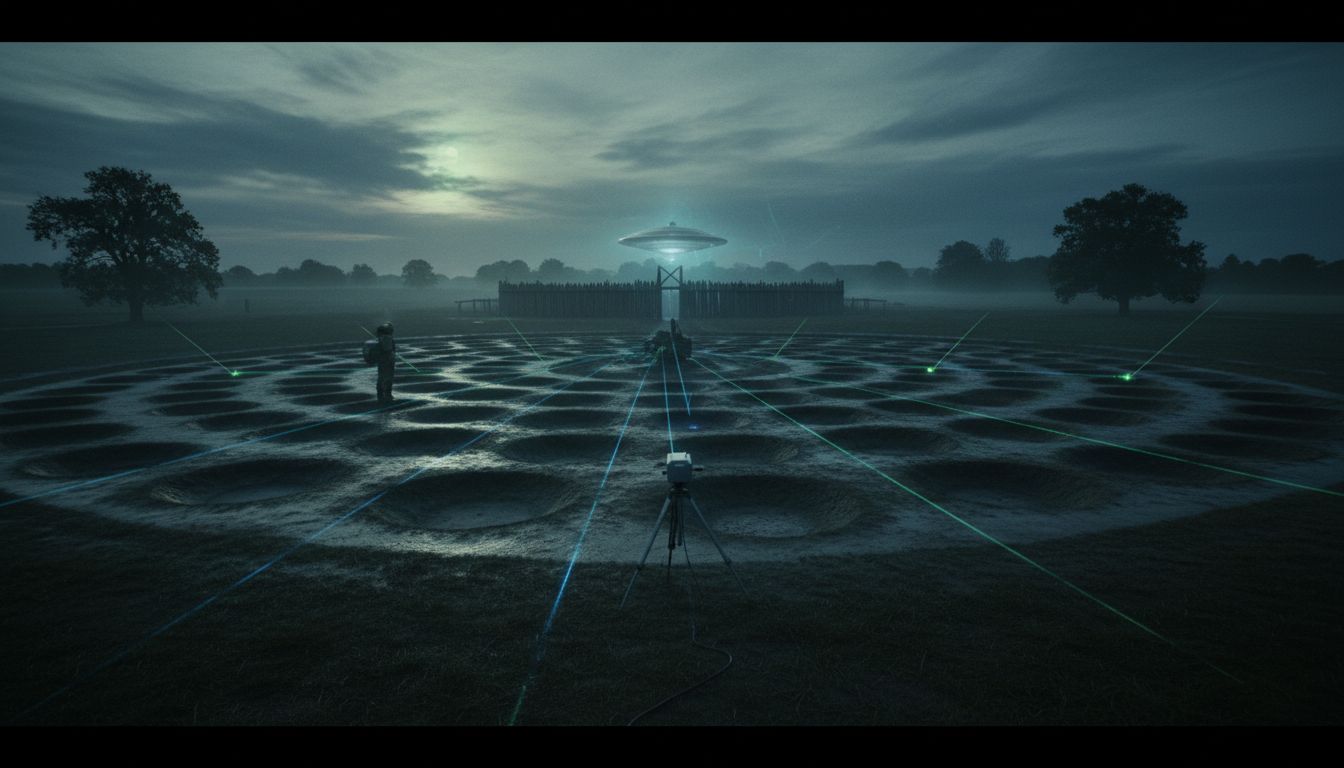
A collaborative research team has presented new evidence that the massive ring of circular pits encircling the Neolithic monument complex at Durrington Walls was deliberately constructed by prehistoric peoples. The study, published this week in Antiquity, combines magnetic surveying, ground‑penetrating radar (GPR) and optically stimulated luminescence (OSL) dating to reinforce a 2020 hypothesis that the pits form a unique, large‑scale architectural feature—potentially the biggest of its kind in Britain. While none of the roughly 33‑foot‑wide depressions have been fully excavated, data from ten surveyed pits align closely with the earlier interpretation of an intentional, man‑made network.
Methods
Researchers employed a three‑pronged geophysical approach across a 2‑kilometre stretch of the Durrington landscape. Magnetic surveys detected subtle variations in the earth’s magnetic field that correspond to disturbed soil, while ground‑penetrating radar mapped subsurface voids and stratigraphy to depths of up to eight metres. The team then applied luminescence dating to sediment samples extracted from the pit fills, providing age estimates for when the pits were last exposed to sunlight. Lead author Dr. Eleanor Hughes of the University of Oxford explained, “By triangulating magnetic anomalies with radar reflections and confirming the chronology through OSL, we can differentiate natural hollows from those cut into the chalk by human hands.”
Findings
The ten pits examined exhibit consistent characteristics: a circular geometry with diameters averaging 10 metres, sharp, steep-sided walls, and a uniform depth of about 4 metres. Magnetic data reveal a pattern of high‑intensity anomalies that match the expected signature of ditches dug into chalk, while GPR profiles show clean, vertical boundaries indicative of intentional excavation rather than erosional processes. OSL dates place the creation of the pits between 2600 and 2400 BCE, overlapping the construction phases of both Durrington Walls and nearby Stonehenge. These results corroborate the 2020 model that the pits formed a pre‑planned, concentric circuit possibly used for ceremonial processions, timber‑post installations, or as a demarcation of a sacred zone.
Context
Durrington Walls, a 500‑metre‑diameter henge situated just a mile north of Stonehenge, has long been recognised as a central hub in the Late Neolithic landscape of southern England. Earlier excavations uncovered timber circles, massive post‑holes and evidence of large‑scale feasting, but the purpose of the surrounding pit ring remained contested. Some scholars argued the depressions were natural karst features formed by water erosion, while others suggested they were quarry pits for chalk extraction. The new geophysical and chronological data tip the balance toward a cultural origin, positioning the pit ring as an unprecedented architectural element that expands our understanding of how Neolithic communities shaped their environment on a monumental scale.
Expert Reactions
The findings have been met with cautious enthusiasm among archaeologists. Professor Michael Parker Pearson, a leading authority on Stonehenge, noted, “If these pits are indeed man‑made, they represent a level of planning and labour investment that rivals the stone circles themselves. It forces us to rethink the social organization required for such projects.” Dr. Hughes added, “Our work does not claim to have solved the function of the pits, but it does provide a solid foundation for future targeted excavations that could reveal artefacts or organic residues clarifying their role.” Critics remind the community that absence of direct excavation still leaves room for alternative interpretations, urging that any future digs proceed with minimal disturbance to the fragile chalk substrate.
Looking Ahead
The research team plans to extend the survey to additional pits beyond the initial ten, employing electrical resistivity tomography to refine subsurface models. Parallel efforts are underway to secure funding for a limited, controlled excavation of one pit, which would allow retrieval of micro‑botanical samples and possible timber post‑hole evidence. Such data could illuminate whether the ring was part of a processional route linking Durrington Walls to Stonehenge, or served a more localized ritual purpose. As the study gains visibility, it underscores the importance of non‑invasive technologies in uncovering hidden aspects of prehistoric monuments, offering a nuanced view of Neolithic ingenuity without resorting to sensational speculation.


