Overview
On today’s sun-soaked Mykonos, the prevailing image is of beaches, nightlife, and luxury tourism. But in the early 18th century, the Cycladic island was described very differently: as a rough, isolated place where tales of the dead returning to trouble the living still held real power. One of the most striking of those stories, preserved in a later account by French botanist Joseph Pitton de Tournefort, centers on a vrykolakas — a figure from Greek folklore often compared to a vampire — said to have terrorized local inhabitants after death. According to the story, the community’s response was not symbolic but practical and severe: they exhumed the body, burned the remains, and reburied them on another inhabited island in an effort to end the haunting.
Tournefort reached Mykonos in 1701 while traveling through the region on a scientific mission for Louis XIV, and his observations eventually appeared in A Voyage Into the Levant, published posthumously in 1717. His account is valuable not because it confirms the supernatural, but because it documents how seriously such beliefs were taken by the communities living with them. The story, as presented in the source material, places the episode during the period when the Venetians and Ottomans were contesting control of the island, adding a layer of instability to a society already primed to interpret misfortune through folklore and the unseen world.
The reported haunting
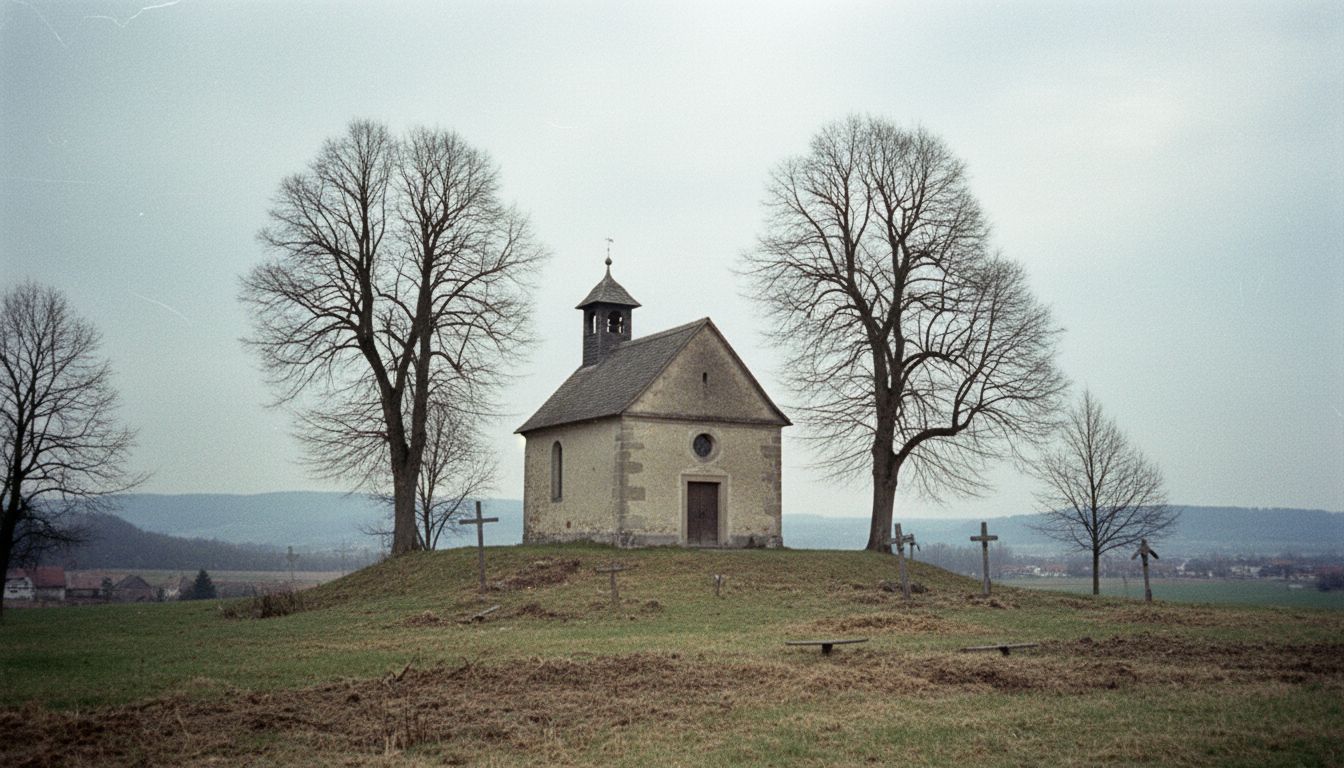
The man at the center of the tale was said to have been murdered and buried in a chapel in the countryside. The source describes him as someone who had been ill-tempered and argumentative in life, suggesting that his reputation may have made the community more willing to believe he had returned in altered form. After his burial, locals reportedly began to see him stalking the village as a vrykolakas, troubling households, emptying wine barrels, and causing disturbances that resembled poltergeist activity. Doors rattled, lights went out on their own, and the village atmosphere was said to have been consumed by fear.
What makes the story notable is not only the alleged manifestations, but the way the community responded. Rather than treating the problem as rumor or superstition, the villagers acted as though the danger were immediate and physical. The account suggests that the panic spread widely enough to justify extraordinary action, reflecting the persistence of folk beliefs in a region where Christianity, older local traditions, and fear of the restless dead could coexist in uneasy tension.
A ritual answer to fear
To stop the haunting, the local response was described in ritual terms: the body was exhumed, burned, and reburied elsewhere. In folklore studies, such practices are often understood as attempts to sever the dead from the living, especially when a person was believed to have died under suspicious or disruptive circumstances. The detail that the remains were buried again on another inhabited island is especially striking, suggesting that the goal may have been containment rather than simple disposal.
Yet the story remains unresolved. The source explicitly leaves open whether the ritual truly ended the haunting. That ambiguity is important. It underscores how these accounts functioned in the historical imagination: part local memory, part moral narrative, and part testimony to the power of belief itself. For Tournefort, who did not personally subscribe to the supernatural explanation, the episode was still worth recording because it revealed the depth of fear and the social force of the vrykolakas legend.
Folklore, belief, and historical memory
Viewed today, the Mykonos vrykolakas tale offers more than a spooky anecdote. It reflects how communities explained death, violence, and unexplained disorder before modern scientific frameworks became dominant. It also shows how folklore could shape real-world decisions, from burial practices to collective action during moments of panic. In that sense, the story is less about proving a vampire existed than about documenting what people believed a vampire could do — and how far they were willing to go to stop it.