Overview
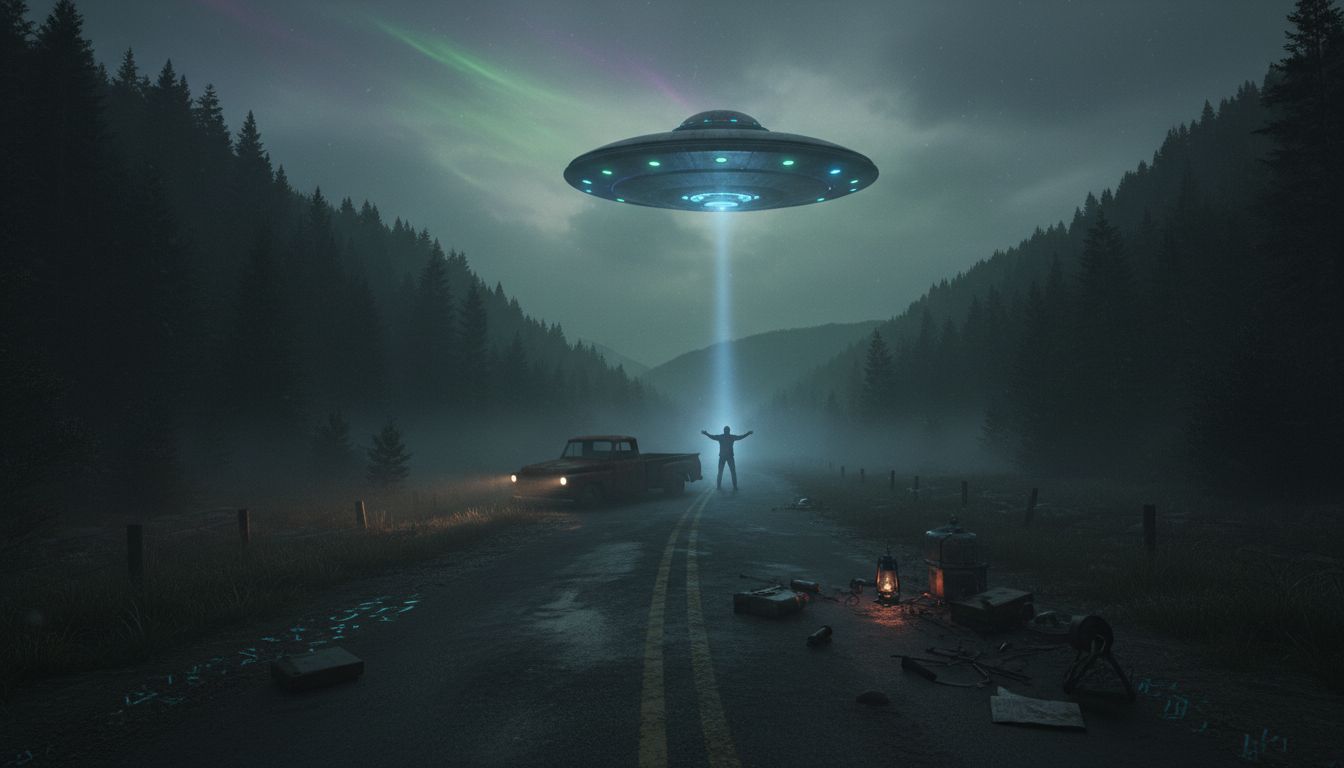
A new analysis of reported UFO abduction encounters places West Virginia at 12th among the 50 states for the frequency of such sightings. Compiled by the Center for Extraterrestrial Phenomena Studies (CEPS), the study examined more than 15,000 documented cases collected from national reporting databases between 1990 and 2023. While the ranking does not imply confirmation of extraterrestrial activity, it highlights that West Virginians are reporting abduction‑style incidents at a rate well above the national average.
Methodology and Data
CEPS researchers combined data from the National UFO Reporting Center (NUFORC), the Mutual UFO Network (MUFON), and state‑level incident logs. Each report was classified according to a standardized “abduction‑style” rubric, which includes claims of missing time, physical examinations, and alleged transport aboard an unidentified craft. To account for population differences, the team calculated incidents per 100,000 residents, a metric that moves West Virginia ahead of more populous states such as Texas and New York. “We wanted a per‑capita view rather than raw counts, which can be misleading,” said Dr. Elaine Harper, lead author of the CEPS report. The study also applied a verification tier, assigning higher confidence scores to cases with multiple independent witnesses or corroborating physical evidence.
Why West Virginia Stands Out
West Virginia’s ranking may be influenced by a combination of geographic, cultural, and socioeconomic factors. The state’s extensive rural landscapes and low light‑pollution zones provide clear night skies, conditions often cited by UFO researchers as conducive to sightings. Additionally, local folklore—ranging from “hillfolk” legends to stories of “sky people” in Appalachian oral tradition—creates a cultural backdrop where extraordinary experiences are more readily shared. “There’s a strong tradition of storytelling in the mountains, and that can shape how people interpret ambiguous phenomena,” noted folklorist Dr. Miguel Alvarez of West Virginia University.
Historical data also show a modest but consistent stream of abduction claims dating back to the 1970s, predating the national surge of interest sparked by the 1997 Phoenix Lights and the 2007 Phoenix incident. The state’s mining communities, which have long reported unexplained lights and sounds, may contribute to the contemporary pattern of reports.
Expert Perspectives
The findings have drawn varied reactions from the scientific community. Astrophysicist Dr. Karen Liu of the American Astronomical Society cautioned, “While the per‑capita numbers are intriguing, correlation does not equal causation. Many of these reports can be explained by atmospheric phenomena, misidentified aircraft, or psychological factors.” Conversely, Dr. Harper emphasized the value of systematic data collection: “Even if only a fraction of these cases have a conventional explanation, the aggregate data set offers a unique window into human perception and the social dynamics of extraordinary claims.”
Local resident and self‑identified “UFO witness,” Tommy Caldwell, who filed three abduction reports in the past decade, expressed hope that the study will bring more scientific attention to the region. “It feels good to see West Virginia on the map. Maybe now we’ll get the resources to investigate these events properly,” he said.
Implications and Next Steps
The CEPS report recommends expanding collaborative efforts between civilian reporting networks and academic institutions to improve data verification and interdisciplinary analysis. Proposed initiatives include deploying automated sky‑monitoring cameras in high‑incident counties and conducting psychological assessments of witnesses to differentiate between perceptual anomalies and potential external stimuli.
As the conversation around UFOs—now officially termed Unidentified Aerial Phenomena (UAP)—continues to move from fringe speculation to congressional hearings, West Virginia’s elevated ranking underscores the need for rigorous, transparent research. Whether future investigations will uncover new scientific insights or simply demystify long‑standing folklore, the state’s position in the latest study ensures it will remain a focal point in the ongoing dialogue about humanity’s place in the skies.


