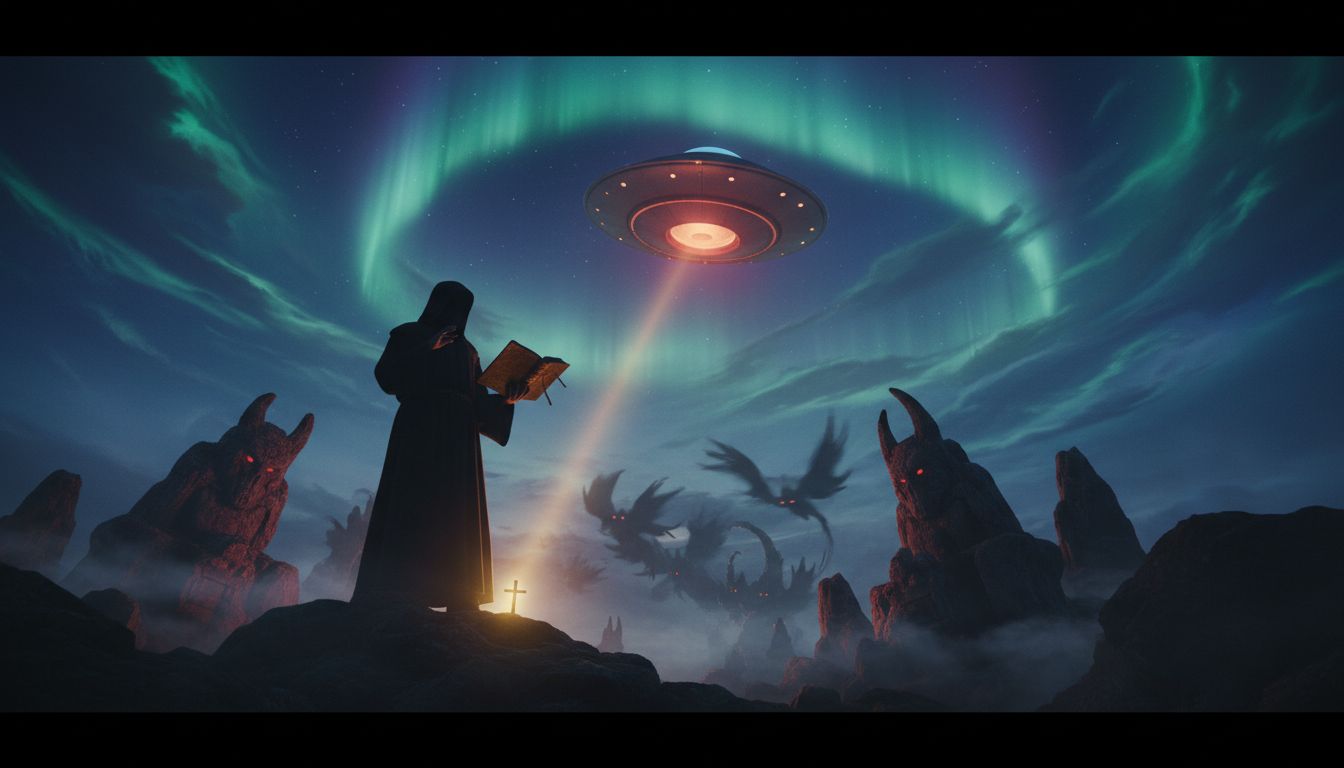
Overview
A recent piece on breakpoint.org explores how Christians might interpret the surge of reports about aliens, UFOs, and alleged demonic activity. Framed as a “weird stuff” phenomenon, the article urges believers to apply biblical discernment while remaining open to genuine inquiry. It highlights the tension between curiosity about the unknown and the scriptural call for spiritual vigilance, suggesting that such encounters could serve either as potential deception or as a test of faith.
A Biblical Lens on the Unknown
The author anchors the discussion in several biblical passages, notably 1 John 4:1 (“Test the spirits”) and Deuteronomy 13:1‑3, which warn against false prophets and supernatural deception. By invoking these verses, the article argues that Christians should first ask whether any claim aligns with the character of God and the teachings of Scripture before accepting it. It also references the “angelic” and “demonic” language of the New Testament, reminding readers that the Bible acknowledges both benevolent and malevolent spiritual beings, but that the ultimate authority remains the Word of God.
Balancing Curiosity with Caution
While caution is emphasized, the article does not dismiss scientific investigation. It cites the U.S. Department of Defense’s recent acknowledgment of unidentified aerial phenomena (UAP) as an example of legitimate, government‑sponsored inquiry. The piece recommends that Christians “engage with the data”—reading credible reports, consulting experts, and praying for wisdom—rather than retreating into either blind denial or sensational speculation. The author quotes a theologian who likens this balanced approach to the early church’s handling of miracles: “We investigate, we pray, and we remain rooted in the gospel.”
Community Responses and Pastoral Guidance
Breakdown.org notes that many pastors are already fielding questions from congregants about UFO sightings and alleged demonic encounters. Some churches have organized study groups that examine both scientific findings and theological implications, while others have issued pastoral letters warning against “spiritual warfare” that could exploit believers’ fascination with the paranormal. The article references a recent survey by the Barna Group, which found that approximately 30 % of evangelical respondents consider UFOs a possible spiritual threat, underscoring the need for clear, biblically grounded teaching.
Looking Ahead
The author concludes that as the public’s exposure to “weird stuff” expands—through media coverage, declassified government footage, and social‑media speculation—Christians will continue to grapple with how to discern truth from illusion. The piece calls for ongoing dialogue between scientists, theologians, and church leaders, proposing that such collaboration can help believers navigate uncertainty without compromising core doctrines. In the meantime, the article advises readers to “keep the eyes of the heart open, the mind disciplined, and the spirit anchored in Christ,” positioning faith as the steady compass amid an ever‑changing landscape of the unexplained.