Overview
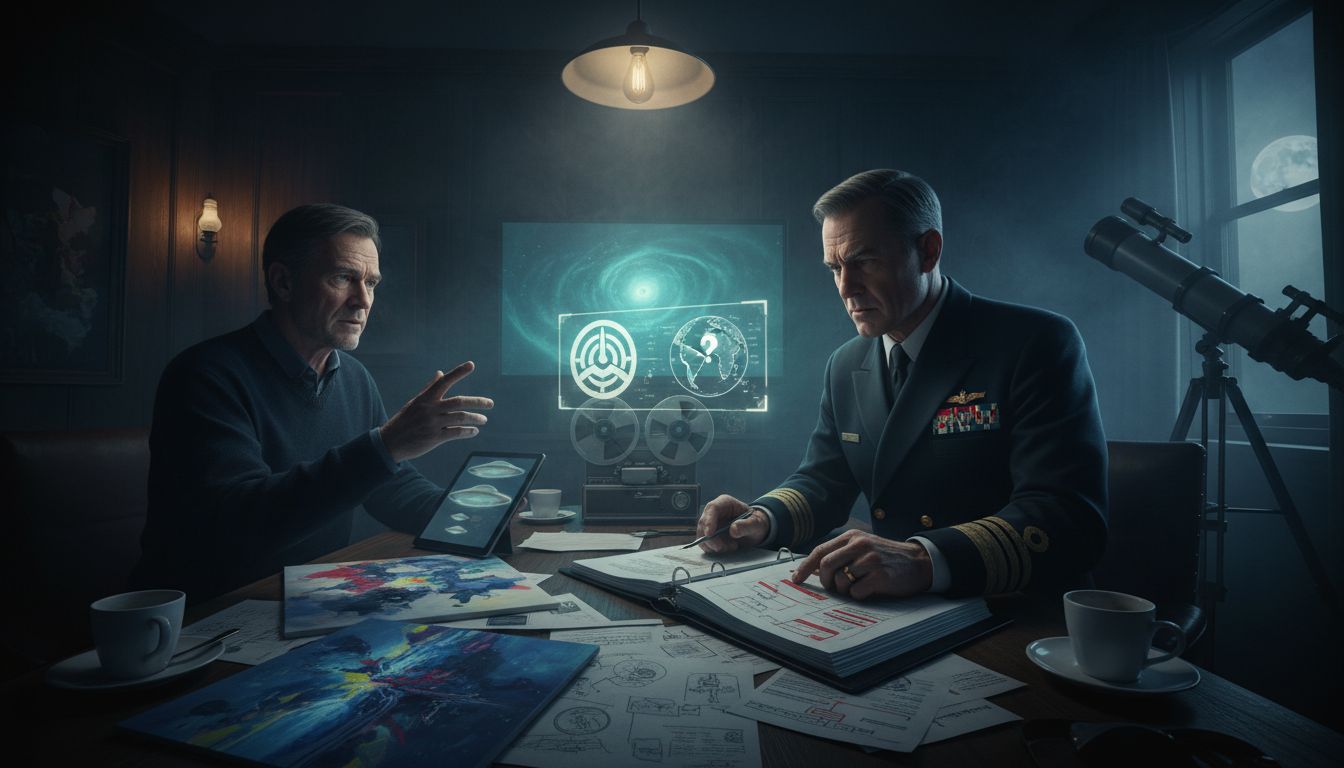
The latest episode of the Podcast UFO series, released on 28 January 2026, brings together two veteran figures in the field of unidentified aerial phenomena (UAP) research: former Association for the Propagation of Research on UFOs (APRO) investigator Allan Lavigne and retired U.S. Navy admiral Tim Gallaudet. Hosted by veteran researcher Martin Willis, the hour‑long conversation moves from Lavigne’s “boots‑on‑the‑ground” investigative methods and his recent artwork inspired by UFO encounters, to Gallaudet’s push for an independent international body to coordinate and accelerate UAP research and public disclosure. The episode also spotlights MUFON Canada’s rollout of an artificial‑intelligence‑driven investigation platform and a forthcoming field study of unexplained lights observed off Nova Scotia’s Atlantic coast.
Lavigne’s Legacy and Current Focus
Allan Lavigne, who spent more than two decades documenting UFO sightings for APRO, reflected on how the discipline has evolved from paper‑based case files to today’s digital networks. “When I started, we were chasing leads on a land‑line, sketching witnesses’ descriptions on napkins,” Lavigne recalled. “Now a single tweet can trigger a multi‑agency response.” He emphasized that, despite the technological shift, the core of credible investigation—rigorous witness interviewing and corroborating physical evidence—remains unchanged.
In addition to his investigative work, Lavigne discussed his recent foray into visual art, describing a series of paintings that blend eyewitness testimony with scientific annotation. “The canvas becomes a map of uncertainty, a way to communicate what data alone can’t capture,” he said, noting that the pieces have been displayed at several UFO‑focused conferences across Canada. Lavigne also highlighted ongoing collaborations with MUFON Canada, noting that the organization’s extensive field network continues to provide the “ground‑level” data that he values most.
Major USO Cases and New Leads
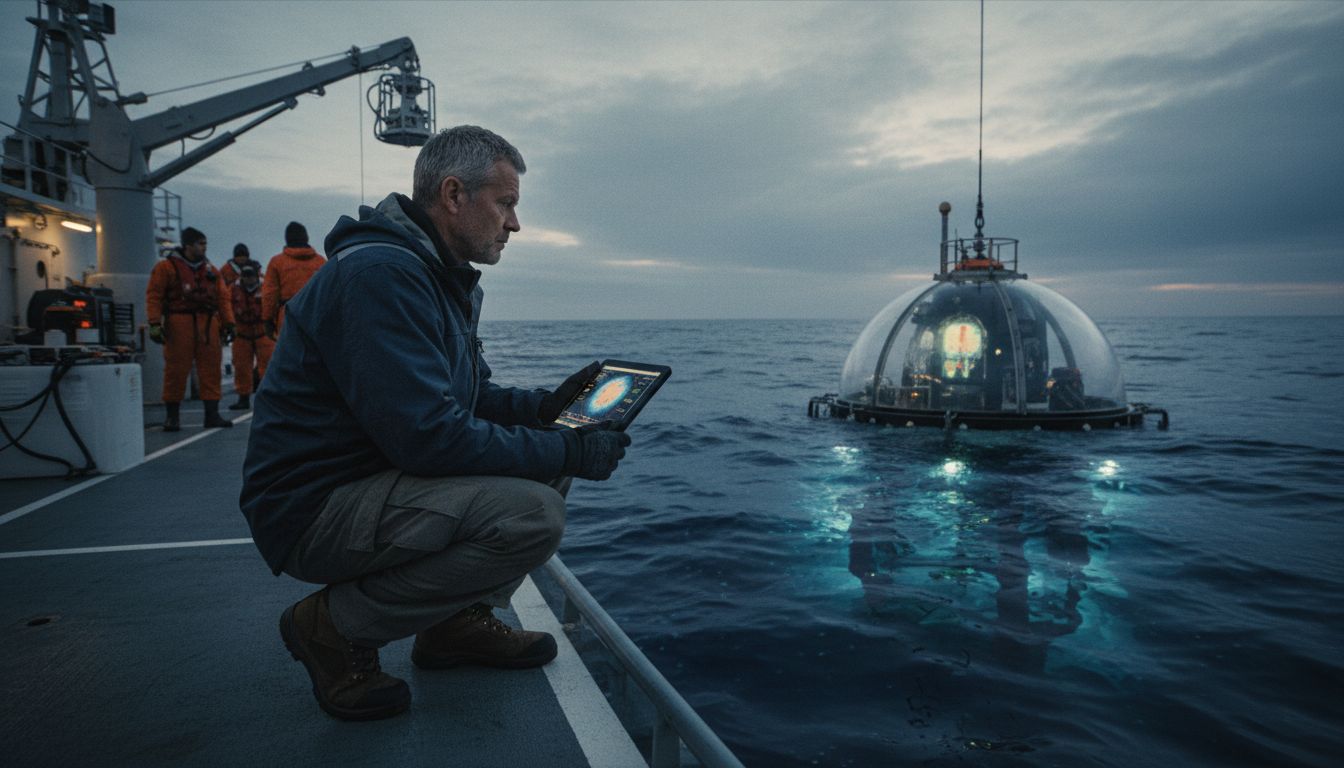
The conversation turned to the relatively under‑reported category of Unidentified Submerged Objects (USOs). Lavigne recounted three high‑profile incidents: a 2018 sonar contact off the coast of British Columbia, a 2020 thermal anomaly recorded by a Canadian Coast Guard vessel near Newfoundland, and a 2023 multi‑sensor detection in the Gulf of St. Lawrence. In each case, Lavigne stressed the importance of preserving raw sensor logs and maintaining chain‑of‑custody protocols. “When the data is treated as a scientific artifact rather than a curiosity, it survives the scrutiny of peer review,” he explained.
These USO reports have prompted MUFON Canada to earmark resources for a systematic review of maritime sightings, a move Lavigne welcomed as a sign that “the community is finally treating underwater phenomena with the same seriousness we give to aerial cases.”
Call for an Independent International UAP Body
Retired Admiral Tim Gallaudet used the platform to argue that fragmented national efforts are insufficient for the scale of the UAP question. “We need a neutral, multinational agency—with authority to access classified data, conduct joint field operations, and publish findings without political interference,” he asserted. Gallaudet referenced the 2022 establishment of the U.S. Office of the Director of National Intelligence’s UAP Task Force as a useful model, but warned that its limited jurisdiction hampers broader scientific collaboration.
Gallaudet’s proposal echoes recent calls from the scientific community for a UN‑mandated framework, and he suggested that existing bodies such as the International Civil Aviation Organization could serve as a structural template. “An independent entity would not only streamline data sharing but also lend credibility to the entire field,” he concluded.
MUFON’s AI Investigation Tool
A notable development highlighted in the episode is MUFON’s launch of an AI‑driven case‑analysis platform. The system, built on machine‑learning algorithms trained on over 30 years of sighting reports, can flag anomalies, suggest classification categories, and even generate preliminary investigative checklists for field teams. Lavigne praised the tool as “a powerful ally for investigators, especially when resources are thin,” while cautioning that human judgment remains essential to avoid algorithmic bias.
Early testing has already yielded promising results: the AI flagged a 2025 sighting in Alberta that was later corroborated by radar data, prompting a rapid on‑site investigation that uncovered a previously undocumented atmospheric phenomenon.
Nova Scotia Lights: A Promising Investigation
The episode closed with a preview of MUFON Canada’s upcoming expedition to investigate mysterious lights reported off Nova Scotia’s coast in late 2025. Witnesses described a series of synchronized, multicolored flashes hovering above the water for several minutes before vanishing. Lavigne and Gallaudet both expressed optimism that the combination of traditional field work, the new AI tool, and potential international data sharing could finally produce a definitive analysis.
“Whether we end up with a conventional explanation or something truly anomalous, the process itself will set a new benchmark for transparency and scientific rigor,” Gallaudet said. As the investigation prepares to launch this spring, the UFO research community watches closely, hopeful that the case may become a model for future cross‑border collaboration.