Overview
The United States is right to investigate UAP claims, but the central argument emerging from a new commentary on the subject is that inquiry should be treated as a starting point, not a conclusion. In the piece, the author recounts a recent conversation in Wyoming with a man who had spent years examining more than 100 reports of unidentified aerial phenomena tied to rocket launches along Florida’s Space Coast. Most of those incidents, he said, turned out to have ordinary explanations — but a few remained unresolved. That distinction, the article argues, is exactly why serious scrutiny matters: credible investigation can separate the explainable from the truly anomalous.
Why skepticism cuts both ways
The article warns against what it calls “public certainty” in the UAP debate. Some observers have already embraced the idea that unidentified aerial phenomena prove extraterrestrial visitation, while others dismiss nearly every account as error, rumor, or misidentification. The author argues that neither posture reflects disciplined analysis. Drawing on decades of experience in the Army and at the Pentagon, he says good intelligence work begins with evidence, not belief. As he puts it, the key questions are not whether a story is compelling, but whether it can be independently verified through photographs, laboratory results, chain of custody, and corroboration.
Unverified claims and the burden of proof
That framework is especially important given the kind of claims now circulating around UAP discussions. The article references a story involving a retired U.S. Navy officer who had also served as a military mortician and allegedly examined what he believed were the bodies of non-human beings. The author does not endorse the account; instead, he stresses that it remains “intriguing but unverified” until supporting documentation is produced. In his view, classification, testimony, and secrecy are all insufficient on their own. Governments classify information for many reasons, including the protection of sources and technology, but classification is not proof. Likewise, sincere witnesses may still be mistaken.
The Pentagon’s evolving approach
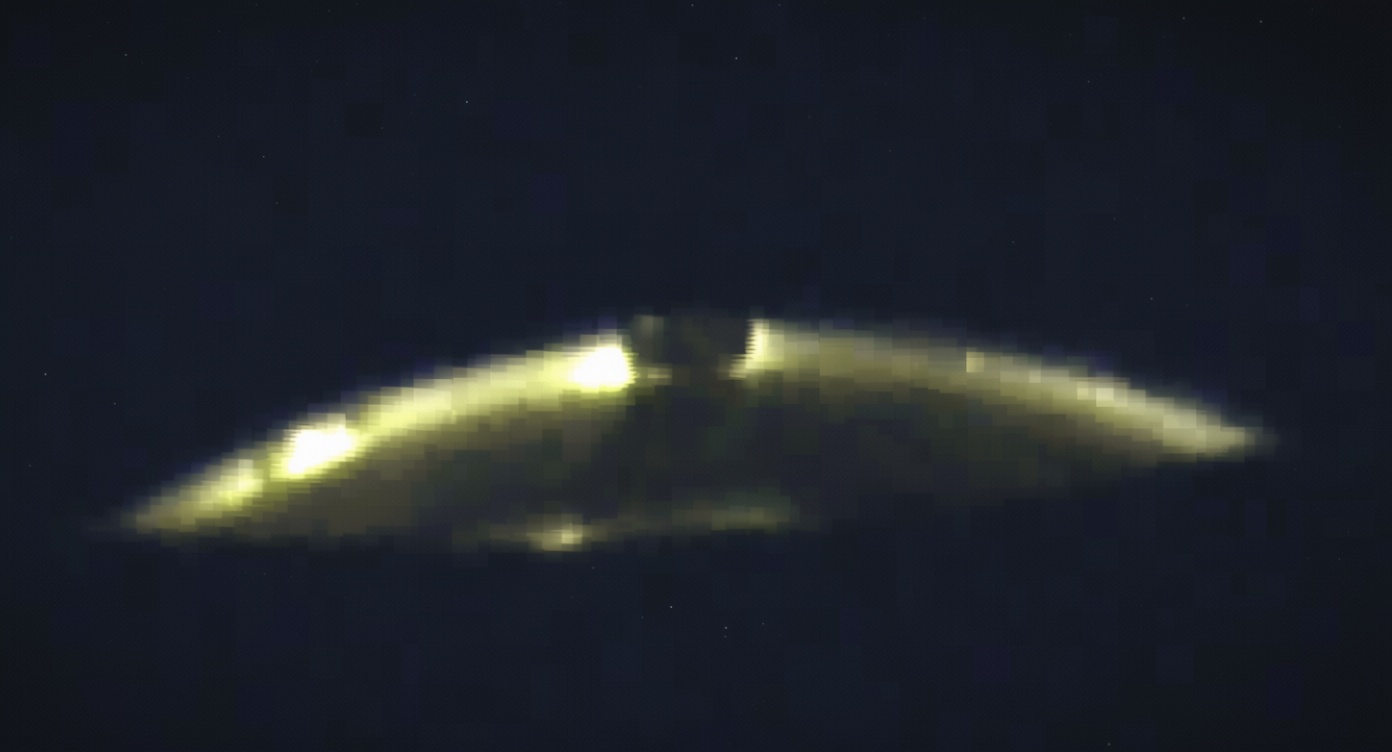
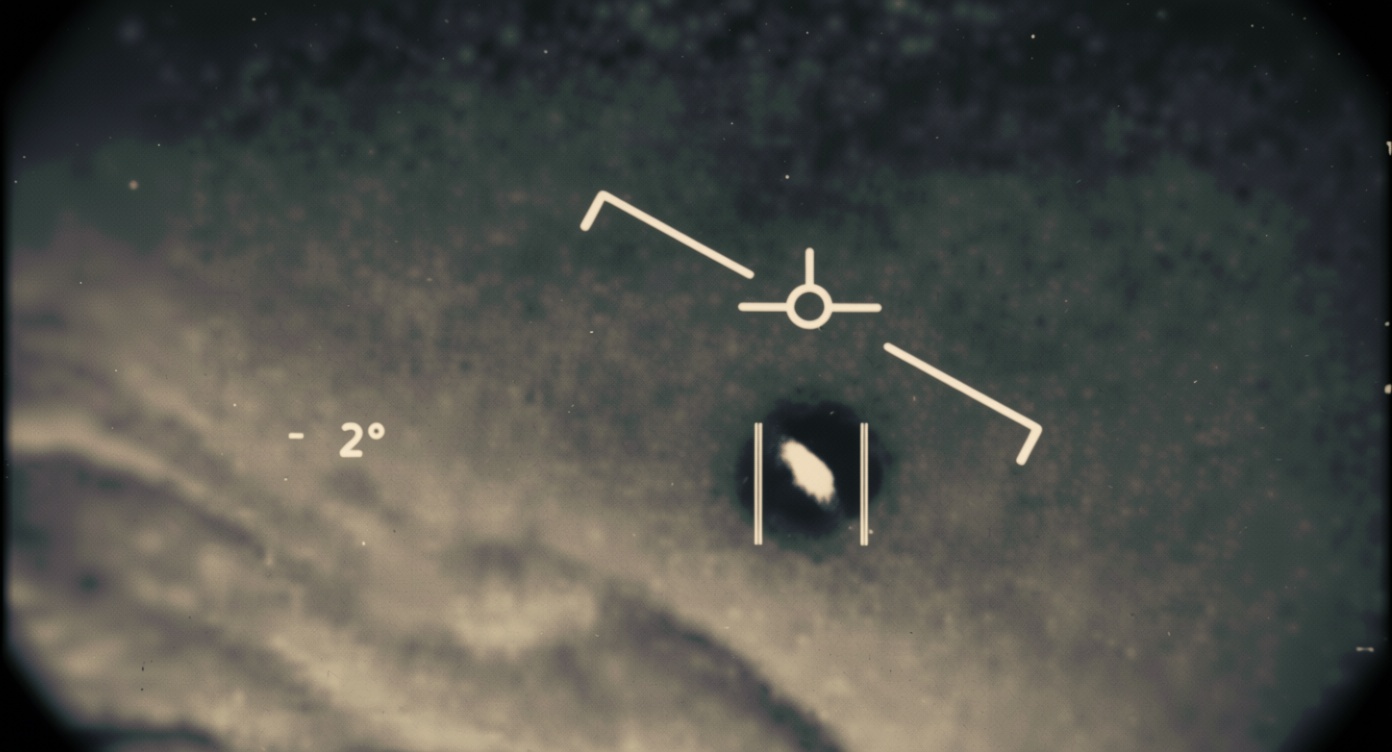
What distinguishes today’s UAP debate from earlier years, the article notes, is that Washington has become more active in documenting and releasing information. The Pentagon’s All-domain Anomaly Resolution Office (AARO) has published three batches of declassified case files this year, including reports released on May 8, May 22, and June 12. One June 5 report, signed by AARO Director Jon Kosloski, describes an October 2023 incident in which law enforcement reported seeing an orange “mother orb” releasing smaller red orbs. The Pentagon’s own analysis says the event remains unresolved, with unrecognized technology listed among the possible explanations. That language, the article suggests, reflects a more careful and transparent model of inquiry.
Beyond investigation
The piece also points to growing public interest, including the popularity of the documentary The Age of Disclosure, which features Secretary of State Marco Rubio and several members of Congress. Yet even Rubio has since said publicly that he does not have independent means to verify the claims presented. That, the article argues, is the real lesson: investigation is necessary, but evidence must still lead the way. America may be right to ask hard questions about UAPs, the author concludes, but meaningful progress will depend on rigorous follow-up, independent corroboration, and a willingness to accept that many mysteries will remain unresolved until the facts are in.