Overview
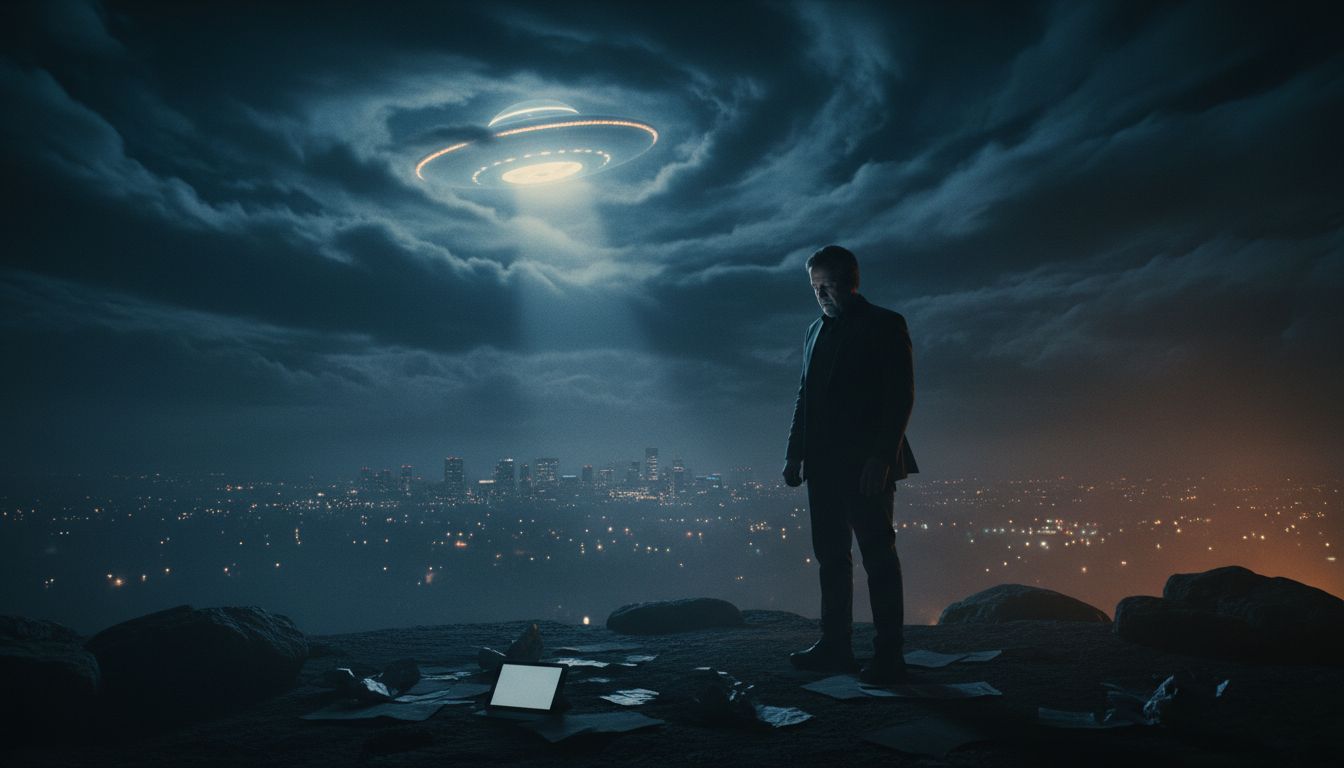
U.S. Representative Tim Burchett (R‑TN) told reporters that if the American public were given the full truth about extraterrestrial life, many would be “up at night worrying.” Burchett, a member of the House Committee on Oversight and Reform, suggested that the federal government likely withholds such information to avoid widespread panic. His remarks come amid a surge of congressional interest in unidentified anomalous phenomena (UAP) and a series of declassified videos released by the Pentagon over the past two years.
Burchett’s Statement
Speaking on a local news outlet on Sunday, Burchett said, “We have a responsibility to protect the American people from information that could cause unnecessary fear and anxiety.” He added that “the truth about alien life, if it exists, is something the public isn’t ready to handle.” While he did not cite specific classified material, Burchett implied that the government’s secrecy is a deliberate policy rather than an oversight. The representative’s comments echo a long‑standing belief among some officials that disclosure could have “psychological and societal impacts” that merit careful management.
Historical Context
The debate over UAP disclosure is not new. In 2021, the Office of the Director of National Intelligence released a preliminary assessment acknowledging 144 unexplained incidents, and in 2023 a bipartisan Senate report called for greater transparency and the establishment of the All‑Domain Anomaly Resolution Office (AARO). Since then, the Department of Defense has authorized the public release of several infrared and radar‑captured videos showing unidentified objects performing maneuvers that defy known aeronautical capabilities. These releases have spurred renewed congressional hearings, most recently in March 2026, where senior defense officials testified about ongoing investigations but declined to confirm the existence of extraterrestrial technology.
Public Reaction and Opinion
Public sentiment about alien life remains mixed. A Gallup poll conducted in late 2025 found that 49 % of Americans believe that some form of extraterrestrial life has visited Earth, while 38 % are skeptical and the remainder are unsure. Mental‑health professionals caution that abrupt revelations could trigger anxiety, especially among vulnerable groups. Dr. Laura Miller, a psychologist at the University of Washington, noted, “Sudden exposure to paradigm‑shifting information can lead to heightened stress, but the effect largely depends on how the information is framed and delivered.” Burchett’s concern about “worrying at night” aligns with these scholarly observations, though critics argue that withholding facts may erode public trust in government institutions.
Implications for Policy
Burchett’s remarks underscore a tension between national security considerations and the public’s right to know. Lawmakers such as Senator Marco Rubio (R‑FL) have advocated for a “gradual disclosure” strategy, proposing that the government release verified data in stages accompanied by expert analysis to mitigate panic. Conversely, transparency advocates, including the non‑partisan UAP Transparency Project, argue that secrecy fuels conspiracy theories and hampers scientific inquiry. As the AARO continues its investigations, the next round of congressional hearings will likely address whether a formal disclosure protocol is feasible, and how to balance public safety, national security, and scientific curiosity moving forward.


