Overview
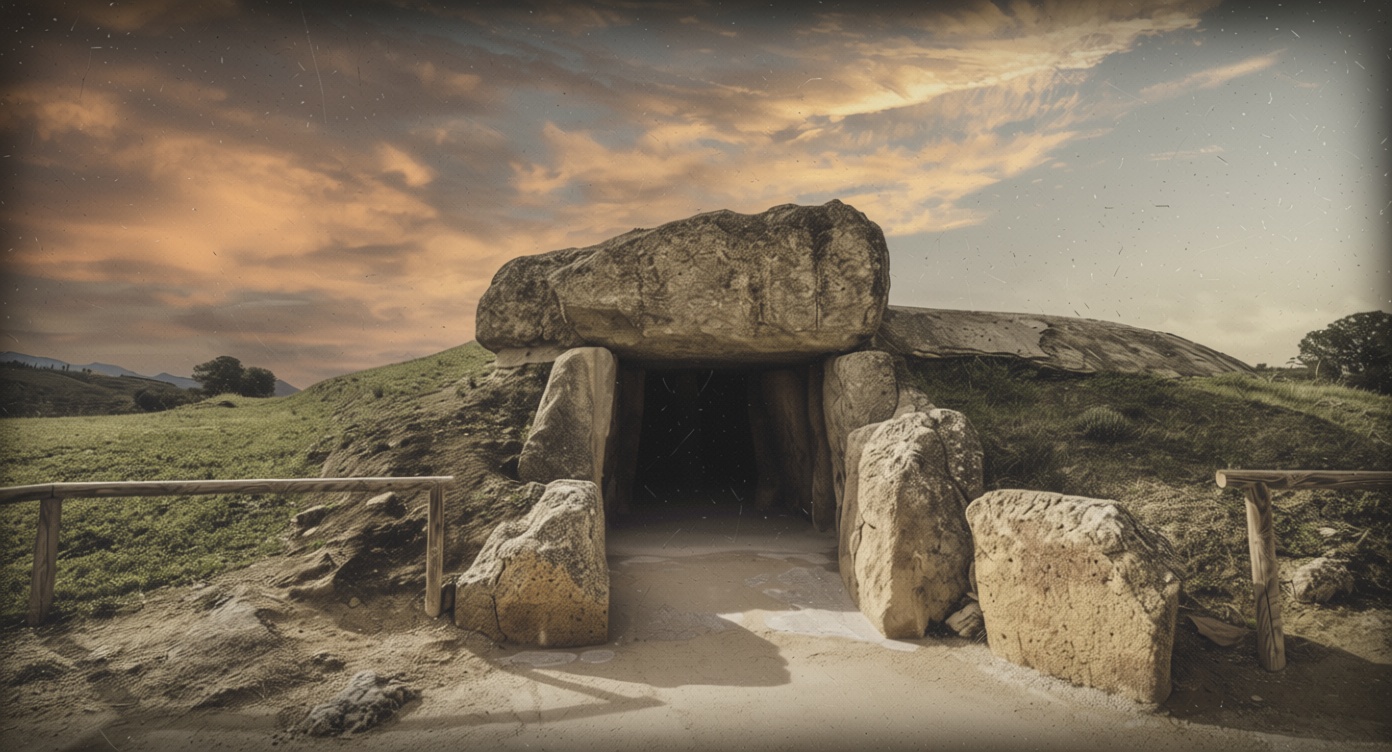
Ancient DNA recovered from a 5,000-year-old megalithic tomb in northern France is shedding new light on one of prehistoric Europe’s most enduring mysteries: what happened to the communities that built the continent’s great stone monuments. In a study published in Nature Ecology & Evolution, researchers analyzed the remains of 132 individuals buried near Bury, about 50 kilometers north of Paris, and found evidence of a major population collapse around 3000 BC followed by a striking genetic replacement.
The key finding is that the people buried before and after the collapse were not closely related. According to the researchers, the earlier population resembled Stone Age farming groups from northern France and Germany, while the later group showed stronger genetic ties to southern France and the Iberian Peninsula. That pattern points to a profound demographic shift, likely involving migration into a region where the original community had largely disappeared.
A Genetic Break in the Burial Record
The tomb appears to have been used in two distinct periods, separated by what scientists describe as a dramatic decline in population. Frederik Valeur Seersholm, assistant professor at the Globe Institute at the University of Copenhagen and one of the study’s lead authors, said the evidence shows a “clear genetic break” between the two phases of use. In practical terms, that means the people who built and used the monument in its first phase were not simply descendants of the later group.
This matters because megalithic tombs are often seen as more than burial places; they reflect shared social traditions, ritual behavior, and community organization. The disappearance of the original genetic line, combined with the shift in burial use, suggests that the social world behind these monuments may have been deeply disrupted. In this case, the monument survived, but the people and customs associated with it did not.
Disease, Stress, and the Limits of the Evidence
To probe what may have contributed to the collapse, the team used advanced ancient-DNA methods that scan all genetic material preserved in old bones. That allowed them to detect traces of pathogens, including Yersinia pestis, the bacterium that causes plague, and Borrelia recurrentis, which causes louse-borne relapsing fever. The presence of these diseases indicates that ancient populations in the region were exposed to serious health threats.
Still, the researchers caution against drawing a simple one-cause explanation. “We can confirm that plague was present, but the evidence does not support it as the sole cause of the population collapse,” said Martin Sikora, associate professor at the University of Copenhagen and senior author of the study. Instead, the decline was likely the result of multiple pressures, including disease and environmental stress, which may have weakened communities and made large-scale displacement or replacement more likely.
What It Means for Europe’s Megalith Builders
The findings add weight to the idea that Europe’s megalith-building societies were not static cultural traditions but populations vulnerable to demographic shocks. The shift from one genetically distinct group to another suggests that a crisis may have emptied out parts of the landscape, opening the door for new communities to move north and establish themselves. That would help explain why certain traditions disappeared even as monumental architecture remained part of the archaeological record.
For archaeologists, the study underscores how ancient DNA can reveal social change that stone monuments alone cannot. The tomb near Bury now offers a rare snapshot of continuity and rupture: a monument that endured across centuries, but a human story marked by collapse, migration, and cultural transformation.