Overview
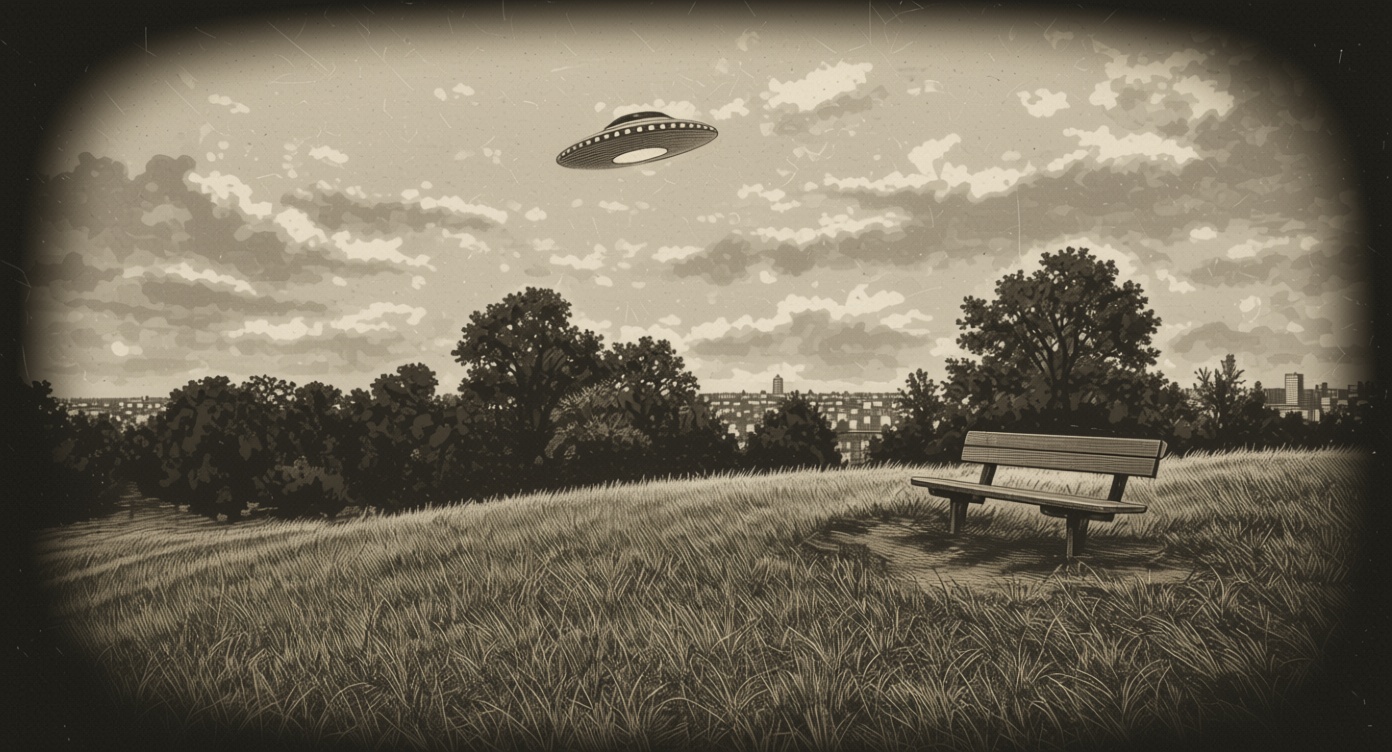
A new Korean‑language volume titled “UFO”—a translation of Garrett M. Graff’s recent work—offers a systematic review of the 75‑year debate over unidentified flying objects. Drawing on declassified military files, academic papers, and NASA’s SETI programs, the author argues that many sightings stem from human misinterpretation of natural or man‑made phenomena rather than evidence of extraterrestrial craft. The book reframes “UFO” as Unidentified Aerial Phenomena (UAP) and groups them into four categories, emphasizing scientific rigor while acknowledging that a handful of high‑profile incidents remain unexplained.
Historical Context
The first pillar of Graff’s analysis traces the “UFO hunt” through the Cold War, when rapid advances in radar, stealth aircraft, and secret weapons generated a flood of reports. U.S. armed forces and intelligence agencies logged thousands of sightings, yet the prevailing culture of secrecy—intended to protect national security—often left the public with fragmented information. This vacuum, the author notes, “fueled conspiracy theories” that persist today. Similar patterns re‑emerged after the fall of the Soviet Union, as nations tested hypersonic drones and other experimental platforms under the cover of night, prompting renewed public alarm.
Scientific Re‑classification
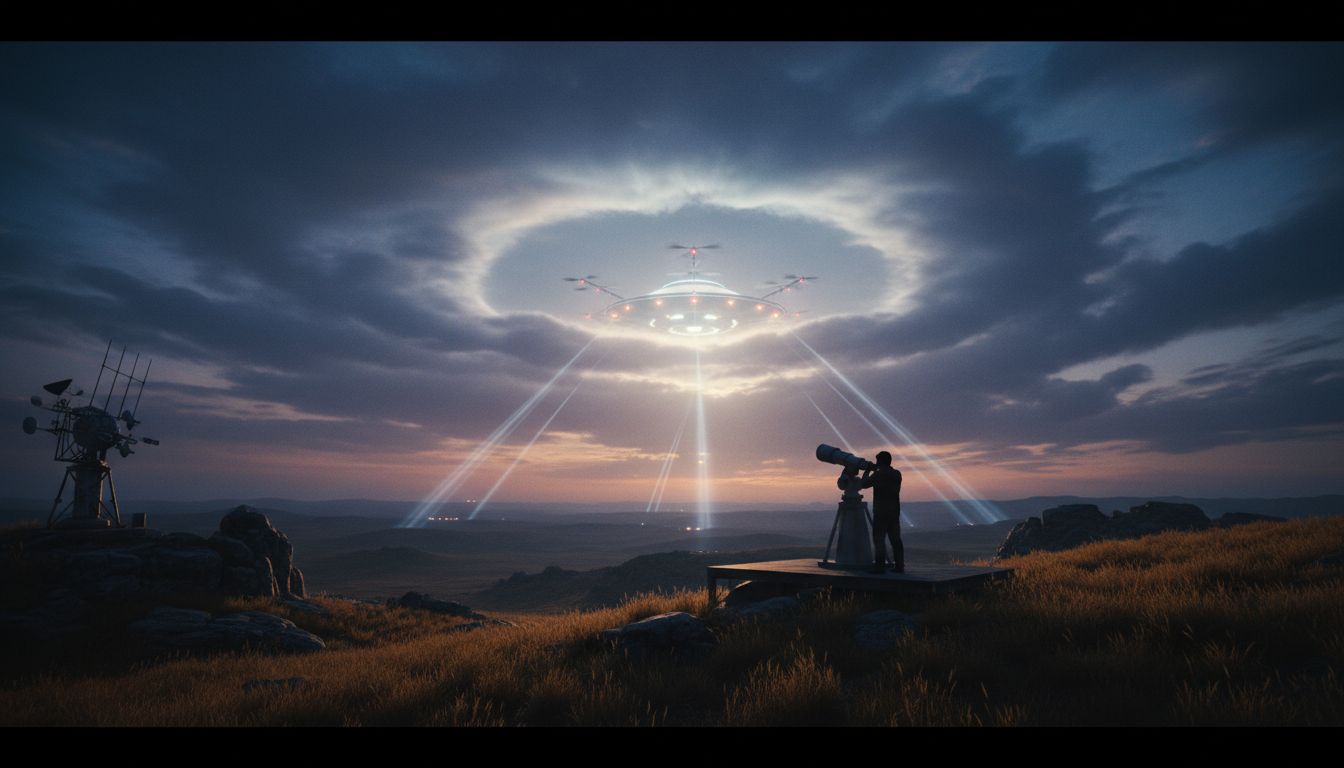
In recent years, the U.S. government’s adoption of the term UAP reflects a shift from sensationalism to empirical investigation. Graff points out that “through scientific verification, UFOs have been redefined as phenomena rather than objects,” aligning the discourse with established research methods. NASA’s SETI initiatives, meanwhile, continue scanning the cosmos for technosignatures, underscoring that the search for life beyond Earth proceeds on a separate, rigorously defined track. The book stresses that the existence of life elsewhere remains an open question: “We do not know. However, efforts to resolve our ignorance must continue.”
Categories of Unidentified Aerial Phenomena
Graff classifies UAPs into four distinct groups.
- Atmospheric and meteorological events – phenomena such as ball lightning, plasma formations, or rare optical effects that can appear as structured lights.
- Advanced military technology – reconnaissance drones and stealth aircraft operated by the United States, Russia, China, and other powers; Cold‑War‑era test flights historically triggered spikes in reports.
- Man‑made objects misidentified by the public – the glittering “train” of Starlink satellites, high‑altitude weather balloons, and other civilian aerospace assets that are often mistaken for alien craft when observed without context.
- Anomalies that defy current scientific explanation – a small subset of cases that lack a satisfactory natural or technological model, leaving them genuinely “unexplained” under present knowledge.
By applying this taxonomy, researchers can prioritize investigations, allocate resources, and avoid conflating unrelated incidents.
Unresolved Cases and Outlook
Despite the comprehensive framework, several celebrated sightings—such as the 1997 Phoenix Lights, the 2004 USS Nimitz radar encounter, and the 2023 “Tic‑Tac” video—remain technically unresolved. Graff cautions that “the difficulty of separating fact from perception” often lies in limited data, classified sources, or the fleeting nature of the events. He advocates for greater transparency, systematic data collection, and interdisciplinary collaboration between physicists, atmospheric scientists, and defense analysts. As the volume of satellite constellations and autonomous drones expands, the frequency of misidentifications is expected to rise, making robust classification even more critical.
Conclusion
“UFO” does not claim to have solved the mystery of extraterrestrial visitation; instead, it provides a methodical lens through which to view decades of sightings. By distinguishing atmospheric quirks, cutting‑edge military tests, ordinary satellite traffic, and truly anomalous events, the book equips both the public and policymakers with a clearer vocabulary. The author’s measured stance—acknowledging uncertainty while urging continued inquiry—mirrors the broader scientific community’s approach to one of humanity’s most enduring questions: Are we alone, or are we simply misunderstanding what we see?