Overview
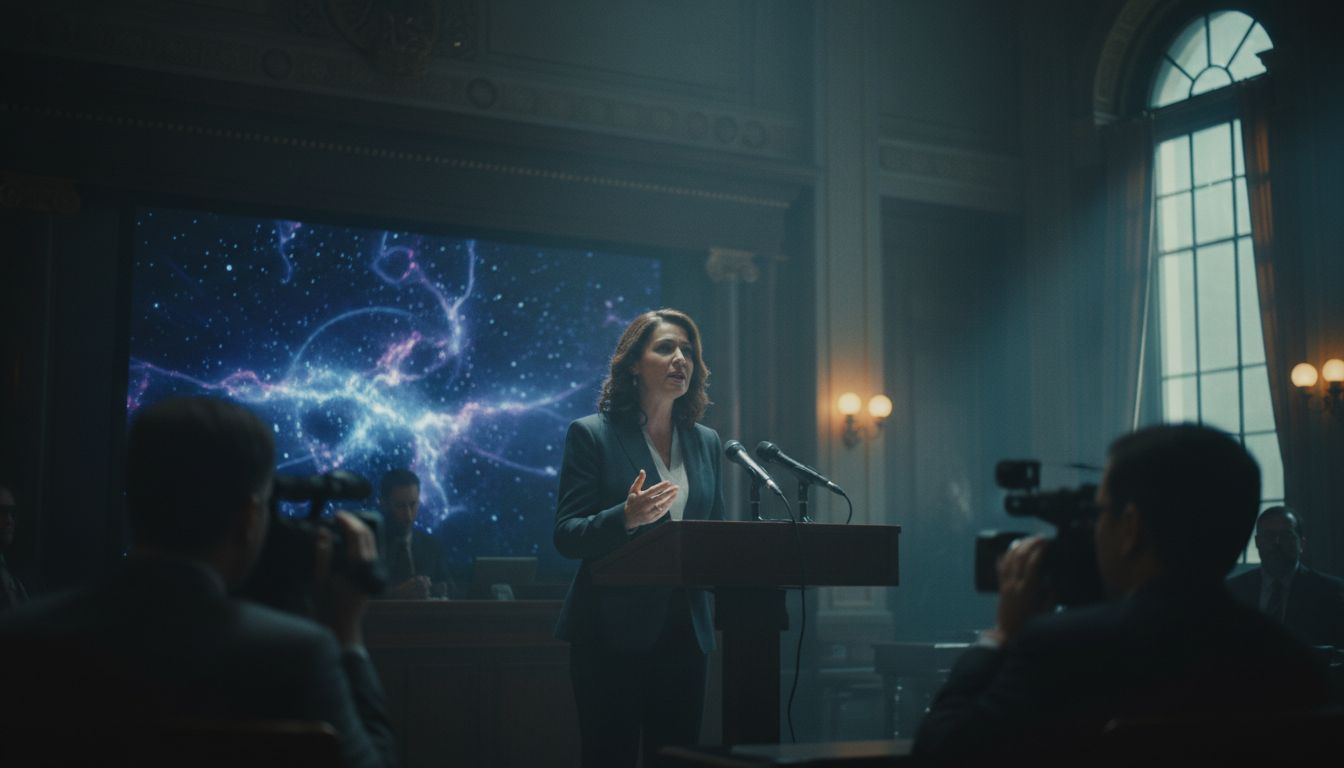
State Representative Alen Hoxha (D‑Bristol County) introduced a bill on Wednesday that would allocate dedicated state funds for the systematic study and documentation of unidentified aerial phenomena (UAP), commonly referred to as UFOs. The legislation seeks to create a permanent office within the Department of Environmental Protection to collect, verify, and archive sighting reports, and to fund scientific analysis of any credible data. Hoxha framed the effort as a matter of public safety, scientific curiosity, and transparency.
Legislative Proposal
The bill, titled the Unidentified Aerial Phenomena Research and Documentation Act, proposes an initial $2 million appropriation for the 2027 fiscal year, with the amount to be adjusted based on annual audit findings. Funds would support three core activities:
- Data collection – establishing a statewide reporting portal that integrates civilian, law‑enforcement, and aviation logs.
- Scientific analysis – partnering with the University of Rhode Island’s Atmospheric Sciences Department to evaluate sensor data, radar tracks, and visual evidence.
- Public outreach – producing annual reports and educational materials to keep citizens informed about findings and methodological standards.
“We have a responsibility to investigate any aerial activity that could impact air traffic, national security, or public confidence,” Rep. Hoxha said in a press release. “By creating a structured, science‑based approach, we move beyond speculation and ensure that legitimate concerns are addressed responsibly.”
Context and Precedent
The proposal arrives amid renewed federal interest in UAPs. In 2022, the Department of Defense released a preliminary assessment of unidentified aerial phenomena, and in 2023 Congress authorized the establishment of the All‑Domain Anomaly Resolution Office (AARO). Several states—including Colorado, Texas, and California—have already allocated modest resources to track sightings and support research collaborations with universities. Hoxha’s bill would make Rhode Island the first New England state to codify a dedicated funding stream for UAP investigation.
Scientists have long warned that ad‑hoc reporting leads to fragmented data and methodological inconsistencies. Dr. Mara Patel, professor of atmospheric physics at the University of Rhode Island, noted, “A centralized, peer‑reviewed repository would allow us to differentiate between mundane explanations—such as weather balloons or drone activity—and phenomena that merit deeper inquiry.”
Reactions
The measure has drawn a mixed response. The Rhode Island Science and Technology Committee issued a supportive statement, emphasizing the potential for interdisciplinary research and the creation of jobs in data analytics and aerospace engineering. Conversely, the Rhode Island Republican Party expressed concerns about fiscal priorities, with state senator Gregory Malone remarking, “While curiosity is commendable, we must ensure taxpayer dollars are directed toward pressing issues like education and infrastructure.”
Civil‑rights groups have also weighed in, highlighting the importance of transparency. The Rhode Island Civil Liberties Union released a brief urging that any data collection respect privacy protections and that findings be made publicly available in a timely manner.
Next Steps
The bill is scheduled for committee review next week, after which it will proceed to the full House for debate. If passed, the Department of Environmental Protection will be tasked with hiring a director and forming an advisory panel of scientists, aviation experts, and public‑safety officials. Implementation could begin as early as January 2027, contingent on appropriations approval.
As the conversation around UAPs shifts from fringe speculation to formal policy, Rep. Hoxha’s initiative reflects a broader trend of governmental bodies seeking evidence‑based clarity on phenomena that have long hovered at the edge of public discourse. Whether the legislation will secure lasting funding—or become another footnote in the evolving saga of aerial mystery—remains to be seen.


