Overview
The Times of India’s recent feature on Area 51 revisits the decades‑long fascination with the Nevada desert base, separating myth from the limited facts that have emerged through official channels. While the installation remains one of the United States’ most secretive military facilities, the article underscores that no verifiable alien technology has been confirmed. By drawing on declassified government documents, statements from former personnel, and civilian eyewitness reports, the piece paints a nuanced picture of a site whose primary purpose is advanced aircraft testing rather than extraterrestrial contact.
Declassified Documents
Since the early 2000s, a series of Freedom of Information Act (FOIA) releases have shed light on Area 51’s operational focus. Notably, a 2024 Department of Defense (DoD) dossier revealed the testing of “high‑altitude, low‑observable platforms” that were previously classified as “black projects.” The documents describe experimental propulsion systems and radar‑evading designs, but stop short of linking them to any non‑human origin. As former Air Force analyst Lt. Col. Michael Hargrove told the Times of India, “The language in these files is consistent with cutting‑edge aerospace research, not evidence of alien hardware.”
Eyewitness Accounts
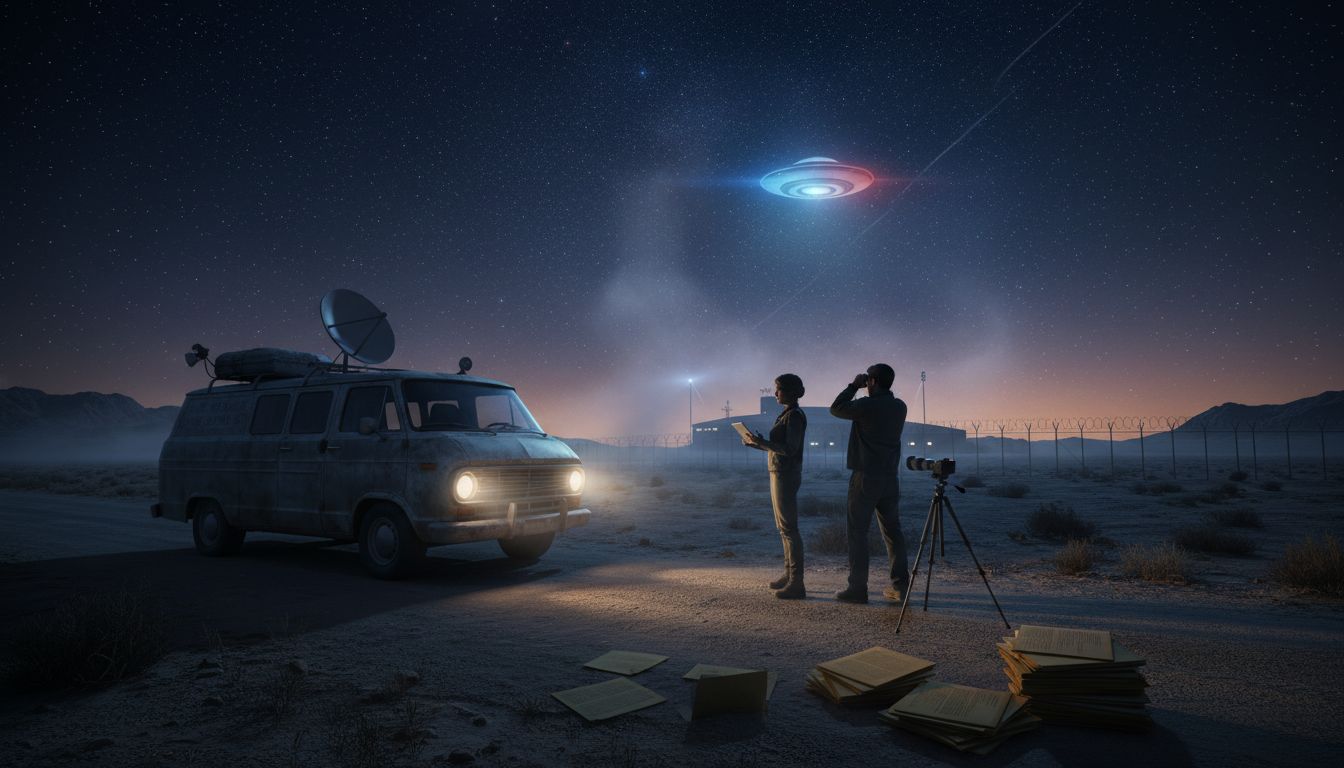
Civilian sightings have long fueled speculation about UFOs over the Nevada Test and Training Range. The article references several recent reports, including a 2025 incident where multiple pilots from a nearby airstrip reported “unidentified aerial phenomena” exhibiting sudden acceleration and silent flight. One pilot, who requested anonymity, described the objects as “shaped like a disc, hovering for a few seconds before disappearing at speeds that defy known aerodynamics.” While compelling, such accounts remain anecdotal; the Times of India notes that the U.S. government’s 2023 UAP (Unidentified Aerial Phenomena) report classified many similar sightings as “insufficient data” to draw definitive conclusions.
Expert Analysis
A panel of aerospace experts consulted for the article stresses the importance of distinguishing between classified technology and extraterrestrial speculation. Dr. Sara Patel, professor of aeronautical engineering at MIT, remarked, “Historically, many UFO reports have been retrospectively explained by secret aircraft like the SR‑71 or the F‑117. Area 51’s legacy of pioneering stealth and hypersonic programs makes it a natural focal point for such narratives.” The piece also cites former base contractor James “Jim” Whitaker, who worked on radar‑signature reduction projects, stating that “the secrecy is operational, not extraterrestrial. Anything that could give an adversary insight into our capabilities is tightly guarded.”
Conclusion
The Times of India’s investigation concludes that while Area 51’s veil of secrecy continues to inspire conjecture, concrete evidence of alien visitation remains unverified. Declassified records point to sophisticated, human‑engineered aircraft development, and eyewitness testimonies, though intriguing, lack the corroborative data required for scientific validation. As public interest persists, the article suggests that future transparency—potentially spurred by legislative pressure for UAP disclosure—may finally separate the base’s genuine technological achievements from the allure of the unknown.