Overview
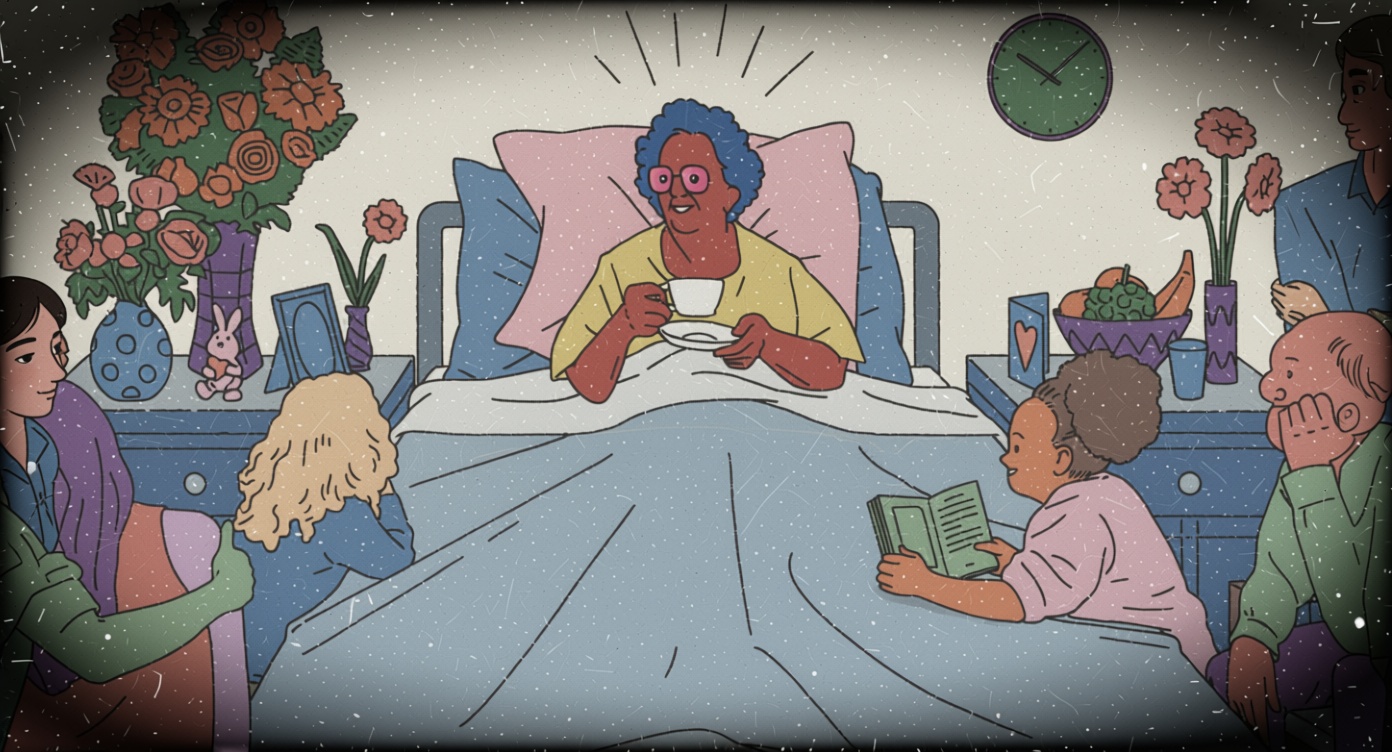
An article published by The New York Times Magazine examines terminal lucidity, a little-understood phenomenon in which some dementia patients appear to regain mental clarity, alertness, and even energy in the hours or days before death. The report frames the episode as one of medicine’s more unsettling puzzles: a brief return of recognizable selfhood in patients whose cognition has often been severely diminished for years. For families and clinicians, the moments can feel profound and deeply meaningful; for researchers, they raise difficult questions about how much of the brain’s functioning remains hidden from current science.
The phenomenon is not presented as a cure or a reversal of dementia, but as a temporary and often unexpected interruption in decline. The article suggests that such episodes underscore a larger scientific gap. Despite major advances in neuroscience, the exact relationship between consciousness, memory, and the dying brain remains incompletely understood. Terminal lucidity, in that sense, is less a medical anomaly than a reminder that the boundary between biological shutdown and subjective awareness is still poorly mapped.
What Terminal Lucidity May Reveal
The piece places terminal lucidity in the context of longstanding observations from hospice and palliative care, where caregivers have occasionally reported patients speaking more clearly, recognizing relatives, or engaging in conversations they had seemed incapable of having just days earlier. These episodes can be brief and unpredictable, and they do not necessarily correspond to any obvious improvement in the underlying disease. That makes them scientifically difficult to interpret and emotionally powerful for those who witness them.
Researchers interviewed in the article appear careful not to overstate what these moments mean. Rather than proving that consciousness exists independently of the brain, terminal lucidity may reflect a still-unknown neurobiological state triggered by the dying process. But the broader significance remains: if a severely damaged brain can suddenly produce coherence, memory, and self-awareness, then present models of cognition may be incomplete. The article uses that tension to argue that medicine still has much to learn about how the brain organizes thought at the end of life.
A New Theory of Near-Death Experiences
The article also discusses a proposed explanation for near-death experiences, suggesting that the dying brain may produce surges of gamma waves—rapid neural oscillations associated with memory integration and conscious perception. Under this theory, the brain could be entering a highly unusual state in which fragments of memory, emotion, and sensation are suddenly activated together, producing the vivid narratives often reported by people who come close to death.
Importantly, the theory does not treat near-death experiences as uniform. Instead, it proposes that the content of these episodes may be shaped by a person’s life history, beliefs, and emotional associations. In other words, the brain may be generating a final, intensely personal reconstruction of reality, one filtered through what each individual has lived, feared, or hoped for. That framing attempts to account for why some people describe tunnels of light, encounters with deceased relatives, spiritual beings, or overwhelming feelings of peace, while others report nothing at all.
Scientific and Human Stakes
Taken together, the article presents terminal lucidity and near-death experiences as related windows into the limits of modern neuroscience. Both phenomena challenge simplistic assumptions about the brain’s final moments and suggest that death may involve a far more dynamic process than a gradual fading of function. The piece does not claim to settle the debate, but it makes a strong case that these experiences deserve closer scientific scrutiny.
For families, the significance is immediate and human. A lucid final conversation can become a treasured memory, even as it complicates the emotional reality of losing someone to dementia. For scientists, the challenge is to distinguish between anecdote and mechanism. The article’s underlying message is clear: the dying brain may still have surprises to offer, and understanding them could reshape how medicine thinks about consciousness itself.